 Solar
 Solar Panels
 Solar Charge Controllers
 Mounting
 Solar Accessories
 Solar Kits
 Batteries
 Batteries
 Battery Management
 Battery Boxes
 Battery Kits
 Chargers
 Mains Chargers
 DC-DC Chargers
 Alternators & Regulators
 Charger Kits
 Inverters
 Inverters
 Inverter Kits
 Electrical
 Circuit Protection
 Connectors, Busbars & Terminals
 Switch Panels & Accessories
 240V Equipment
 EV Chargers
 Cables
 Cables
 Pre-made Leads
 Cable Management
 Converters
 DC-DC Converters
 Transformers
 Monitoring
 Monitoring
 Monitoring Kits
 Kits
 Pre-Wired Boards
 4x4/Canopy Power Systems
 Solar Kits
 Inverter Kits
 Charger Kits
 Battery Kits
 Monitoring Kits
 By Application
 Caravan, Camper & RV
 Camping & Portable
 Marine/ Boat
 4x4/4WD & Off-Road
 Off-Grid Homes & Sheds
 Golf Carts
 Portable 12V Car Chargers
 Portable 24V Bus/Truck Chargers
 By Brand


















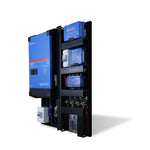
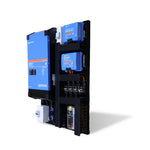

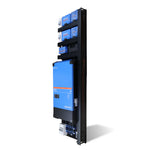


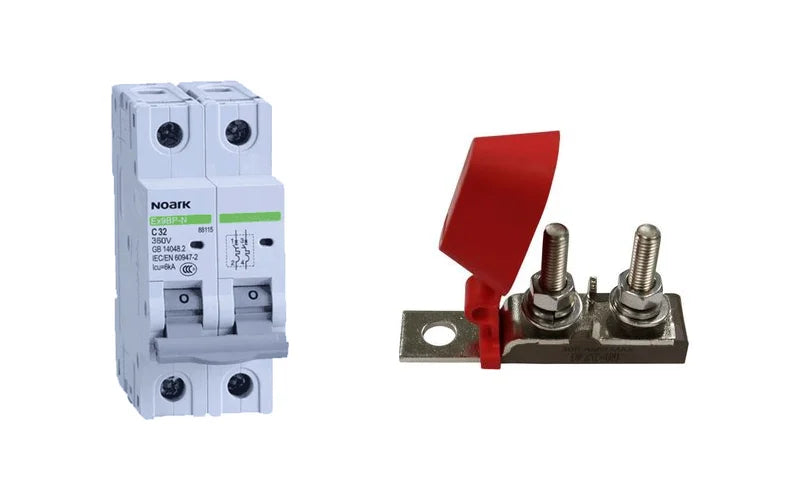

















 Pre-Wired Boards
 4x4/Canopy Power Systems
 Solar Kits
 Inverter Kits
 Charger Kits
 Battery Kits
 Monitoring Kits










































Estimate daily solar and battery needs
List the appliances, daily run times and charging sources to build an initial caravan or RV energy budget.
Open the RV solar sizing tool
Portable camping power
Portable power for campsites and touring
Balance daily energy use, pack size, weight, deployable solar and recharge time for a practical portable camping system.
Discover portable solar panels, battery boxes, and 12V power kits for your next camping adventure
Start with the part of the system
Start with how the equipment will be transported and used, then match battery capacity, charging, connectors, current and weather exposure.
 Portable generationFolding solar panelsCompare deployable panels for campsites where orientation, shade and pack size matter.
 Portable battery enclosureBattery boxesCompare battery boxes, integrated connections and supported battery sizes for portable power setups.
 Energy storageCamping batteriesCompare portable lithium and AGM batteries by usable capacity, weight, current limits and dimensions.
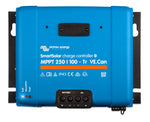
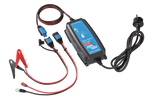
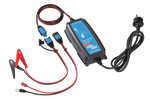
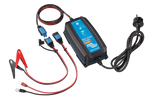
Recharge the batteryCamping chargersCompare portable solar and battery-charging equipment for compatible camping systems.
 Portable AC powerCamping invertersCompare compact inverter output, surge demand and battery-current requirements for campsite appliances.
Full range
Use the catalogue filters for product type, voltage, capacity, brand and availability. Confirm transport, weather exposure, connector compatibility, cable and circuit protection before selection.
Customer stories
Before final selection
Daily use, available panel area, battery storage, solar, vehicle and mains charging all affect the products and ratings required.
List the appliances, daily run times and charging sources to build an initial caravan or RV energy budget.
Open the RV solar sizing toolUse circuit current and length to make an initial cable-size and voltage-drop check before final design.
Open the cable sizing toolWork from daily energy, usable sun and practical system losses before comparing panel, controller and battery ratings.
Read the solar sizing guideSystem check
Send the details below and our off-grid team can help narrow suitable product groups and ratings.
Selected touring buyer guides
Use these practical guides to estimate energy, understand installation constraints and compare complete-system requirements.

Discover the benefits of using solar power in your caravan with Solar 4 RVs. Our solar power systems provide energy independence, cost-effectiveness, and environmental...
Read guide
If you are choosing a portable solar panel for camping, the easiest way to get it right is to size it from your daily...
Read guide
Both power and energy are important components to consider when choosing solar power for your Caravan or boat as it must be able to...
Read guide
Discover the 7 essential components needed for an efficient solar panel installation. From solar charge controllers to circuit breakers, our guide helps you understand...
Read guide
Topics include current, selecting cable, cable resistance, voltage drop, battery bank wiring, fuses and circuit breakers, fuses, shunts, earth wiring, solar panels, voltage sensing...
Read guide
This interactive calculator will help you understand your RV's full power system, including the inverter, battery charger, DC-DC Charger, battery, solar panels, MPPT, and...
Read guideAbout this range
Whether you are pitching a tent in the outback or setting up a 4WD canopy for the weekend, having a dependable portable solar system for camping is essential. Our comprehensive range of camping power equipment ensures your fridge stays cold, your lights stay on, and your essential devices remain charged. From high-yield folding panels to rugged 12V battery banks, we supply premium equipment built to withstand harsh Australian conditions.
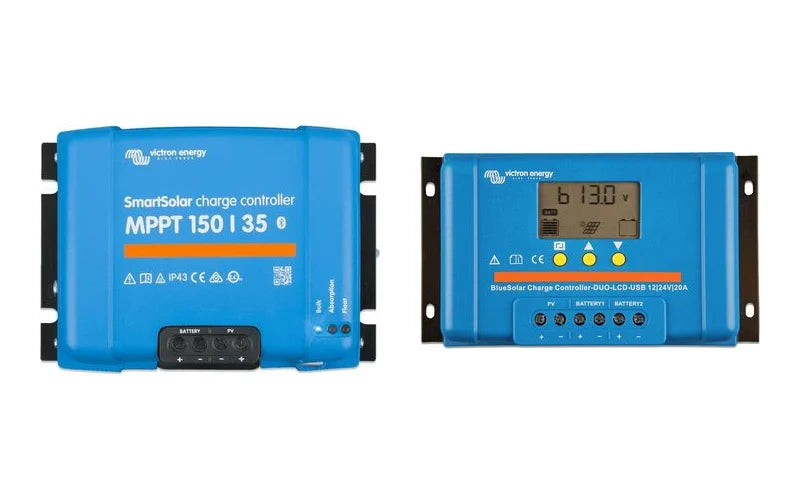
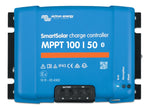
A high-performing portable solar panel is the foundation of any mobile off-grid setup. We offer highly efficient folding panels, including the popular Exotronic 200W portable folding solar panel, which delivers excellent power yield in a compact form factor. These panels allow you to park your vehicle or set up camp in the shade while placing your solar array in direct sunlight. Pairing a folding panel with a dedicated MPPT controller ensures maximum energy harvest throughout the day, giving you a steady input to keep your battery bank topped up.
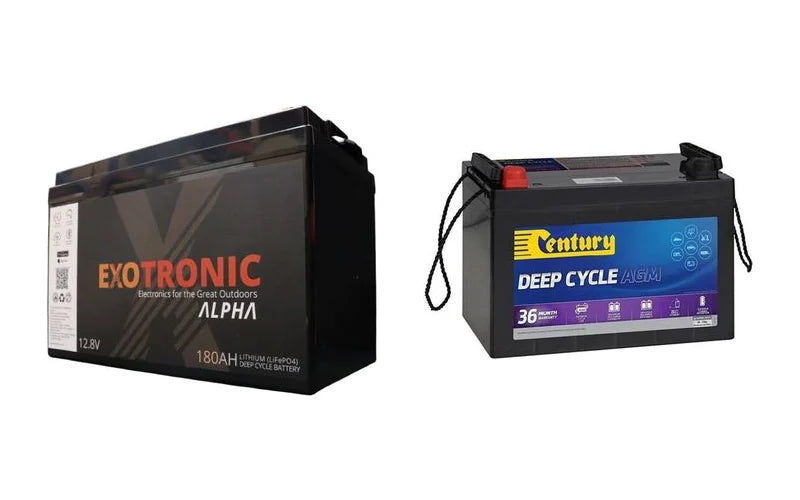
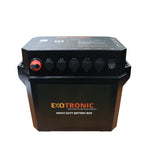
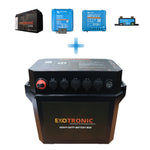
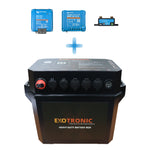
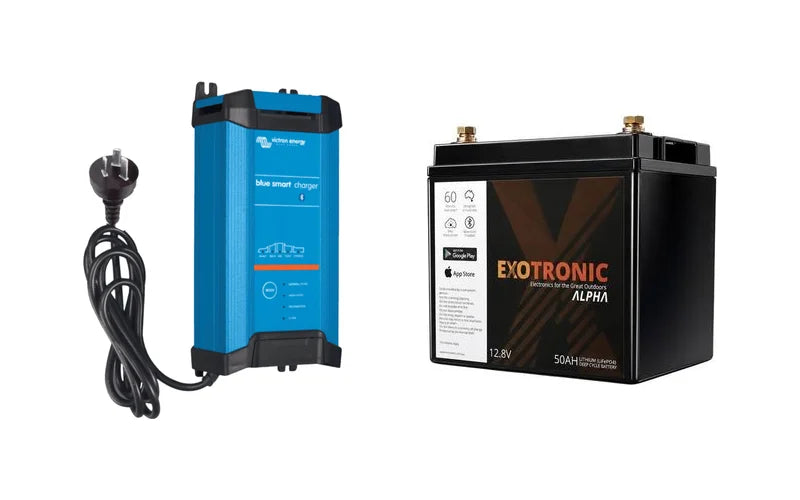
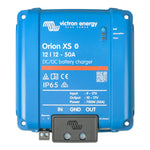
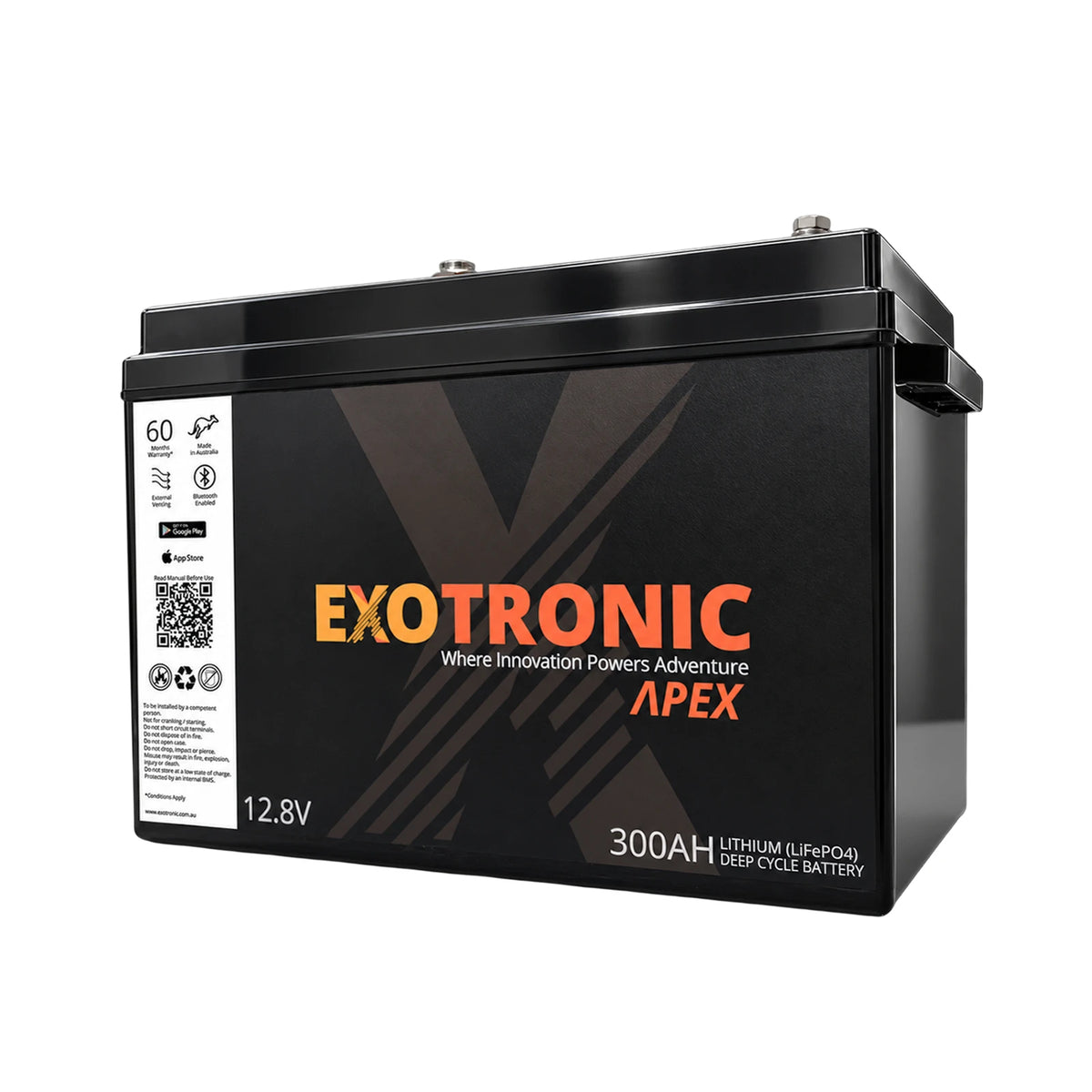
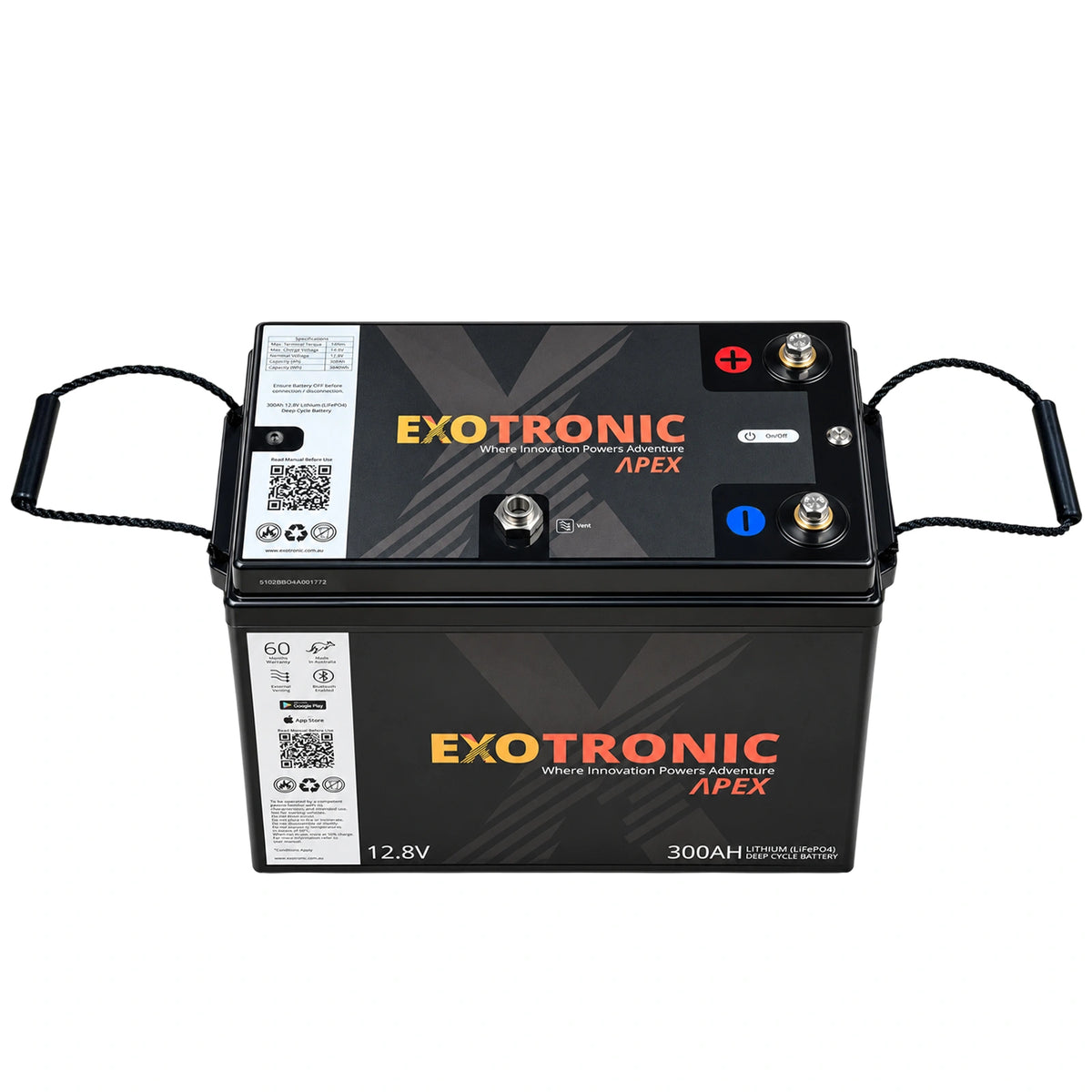
Storing the energy you generate requires robust deep cycle camping batteries. Our selection includes advanced Lithium (LiFePO4) options from Exotronic and Enerdrive, offering immense usable capacity at a fraction of the weight of traditional lead-acid models. We also carry proven AGM and Gel batteries from Victron and Century for those seeking a highly durable, cost-effective solution. To protect your investment and simplify your setup, consider an integrated camping battery box. The Exotronic pre-wired lithium battery boxes come fully assembled with Orion DC-DC chargers, SmartSolar MPPTs, and SmartShunts, providing a plug-and-play solution for off-grid power without complex installation.
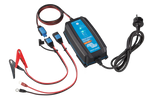
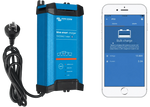
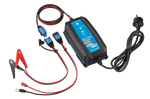
To run 240V household appliances like laptops or coffee machines, you will need a reliable camping power inverter. Victron Phoenix pure sine wave inverters provide ultra-clean power to safely run sensitive electronics. When you have access to mains power, a Blue Smart IP65 battery charger allows you to rapidly recharge your system before hitting the road again. Additionally, we stock all the necessary connection hardware, including Anderson plugs, camping cables, and weatherproof Scanstrut USB and wireless charging sockets to keep your mobile devices powered effortlessly.
Designing the right camping solar panel and battery kit starts with understanding your daily energy consumption. First, calculate the total amp-hours (Ah) or watt-hours (Wh) required by your 12V fridge, lighting, and chargers over a 24-hour period. This will dictate your required battery capacity. If you plan to camp away from mains power for multiple days, you will need a battery bank large enough to sustain your loads, typically matched with a lithium chemistry for optimal weight-to-power ratio.
Next, select a solar panel size capable of replenishing that daily usage. A 200W folding panel is a popular choice for running a standard portable fridge and lights, but larger or multi-panel setups may be necessary if you are running an inverter or high-draw appliances. Decide whether you prefer a standalone camping solar charge controller mounted in your vehicle or one integrated directly into a portable battery box. Finally, consider the physical size and weight limits of your vehicle or camper to ensure your new gear can be easily stowed and deployed.
Ready to upgrade your outdoor power system? Browse our extensive range of camping solar power kits, lithium batteries, and rugged portable panels below to build a setup that keeps you powered up, connected, and comfortable on every adventure. Shop the collection today and secure the ultimate off-grid freedom.
Technical planning questions
These answers are planning guidance. Exact product manuals, battery limits and completed installation requirements remain the authority.
Start with the watt-hours used on a typical day, then compare that energy with the usable solar conditions where and when you travel. Allow for shade, panel temperature, orientation, controller and wiring losses, and poor-weather reserve. Available panel area limits generation, so battery storage and vehicle or mains charging may also be required.
Fixed panels recharge whenever suitable sun reaches the roof and require no setup. Portable panels can be positioned away from shade but need storage, deployment and secure cable connections. Many touring systems use fixed roof generation with a compatible portable input for shaded camps or winter conditions.
Calculate daily amp-hours or watt-hours, choose the number of days of autonomy, then apply the battery manufacturer's usable-depth, temperature and current limits. Also verify the largest simultaneous discharge current, available recharge time, physical dimensions, mounting and the charging profile required by the selected chemistry.
Compatible charging sources can commonly share one battery bank, but each source must suit the battery chemistry and system voltage. Check combined charge current against the battery or BMS limit, configure supported profiles correctly, and provide the required isolation, cable, fuses and switching for every source.
Add the appliances that may run together and allow for startup demand from compressors, pumps and motors. Then check the inverter's continuous and surge ratings and calculate the battery-side current. The battery, BMS, cable, protection and connections must all support that current; large heating and air-conditioning loads can require a substantial system.
Each battery-connected circuit normally needs correctly selected overcurrent protection close to its battery connection because the battery can supply very high fault current. Additional protection may be required at source changes, distribution points and equipment connections. Size protection to the cable, equipment and applicable installation requirements.
Fixed 230V wiring and connected electrical-installation work must be completed and tested by an appropriately licensed person under the applicable requirements. Product selection also needs to account for transfer switching, earthing, neutral treatment, RCD protection and the manufacturer's installation instructions.
Powering Your Adventure