 Solar
 Solar Panels
 Solar Charge Controllers
 Mounting
 Solar Accessories
 Solar Kits
 Batteries
 Batteries
 Battery Management
 Battery Boxes
 Battery Kits
 Chargers
 Mains Chargers
 DC-DC Chargers
 Alternators & Regulators
 Charger Kits
 Inverters
 Inverters
 Inverter Kits
 Electrical
 Circuit Protection
 Connectors, Busbars & Terminals
 Switch Panels & Accessories
 240V Equipment
 EV Chargers
 Cables
 Cables
 Pre-made Leads
 Cable Management
 Converters
 DC-DC Converters
 Transformers
 Monitoring
 Monitoring
 Monitoring Kits
 Kits
 Pre-Wired Boards
 4x4/Canopy Power Systems
 Solar Kits
 Inverter Kits
 Charger Kits
 Battery Kits
 Monitoring Kits
 By Application
 Caravan, Camper & RV
 Camping & Portable
 Marine/ Boat
 4x4/4WD & Off-Road
 Off-Grid Homes & Sheds
 Golf Carts
 Portable 12V Car Chargers
 Portable 24V Bus/Truck Chargers
 By Brand


































 Pre-Wired Boards
 4x4/Canopy Power Systems
 Solar Kits
 Inverter Kits
 Charger Kits
 Battery Kits
 Monitoring Kits



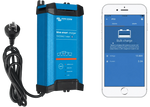

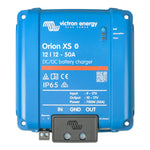

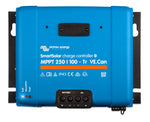


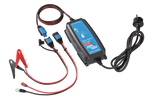
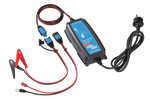
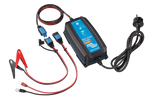
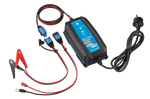

































24V to 24V DC-DC Chargers
Isolated, non-isolated and solar MPPT chargers for keeping 24V auxiliary batteries properly charged.


24V to 24V DC-DC Battery Chargers for Vehicles and Vessels
A 24V to 24V DC-DC charger takes power from a 24V starter battery and alternator and delivers a controlled, multi-stage charge to a separate 24V auxiliary or house battery. A direct connection or simple isolator cannot regulate the charge. A DC-DC charger compensates for voltage drop over long cable runs and applies a charge profile suited to the battery chemistry, so lithium (LiFePO4), AGM and flooded batteries are charged correctly while driving or motoring.
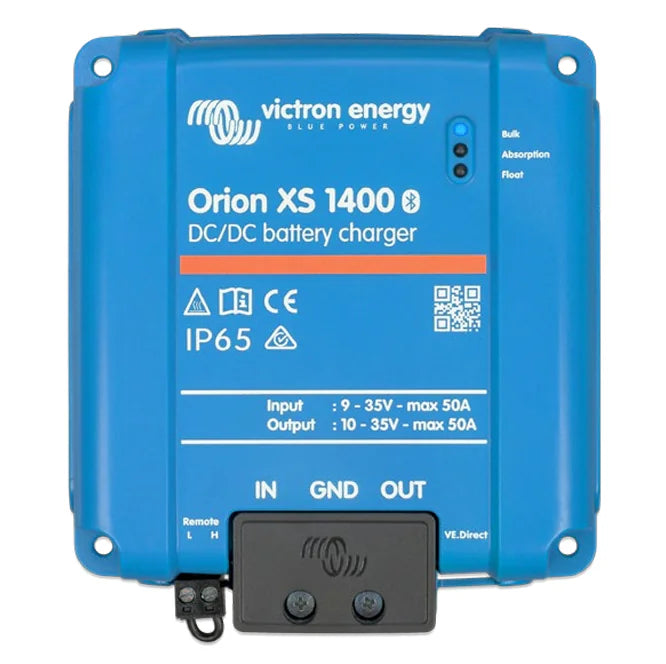
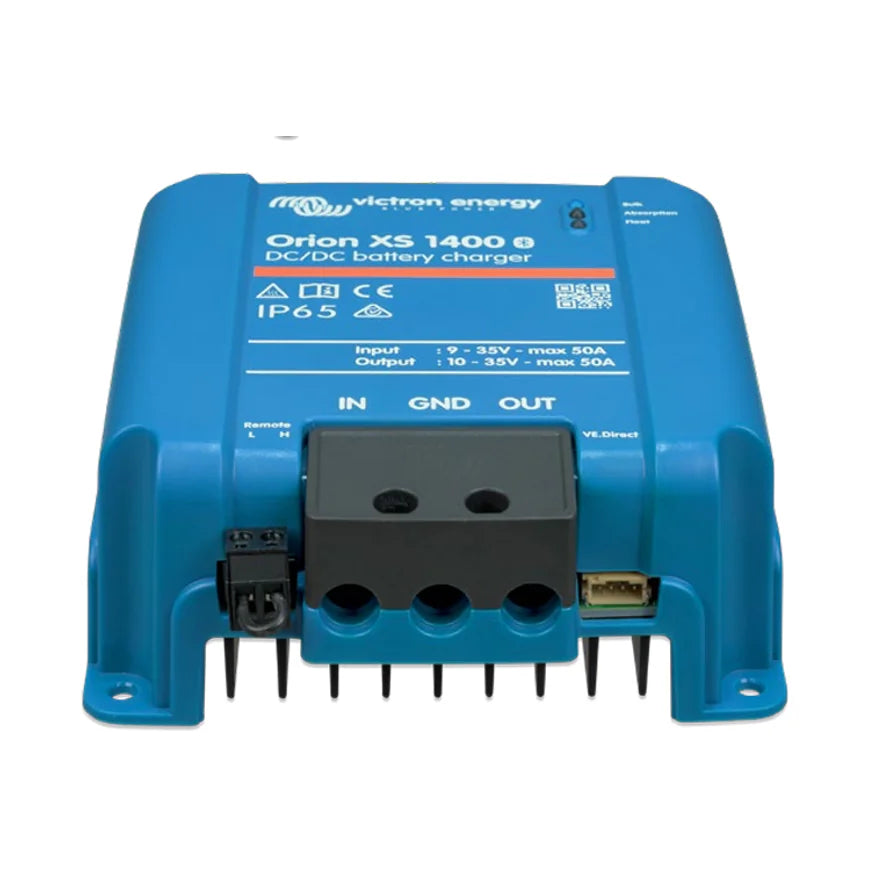
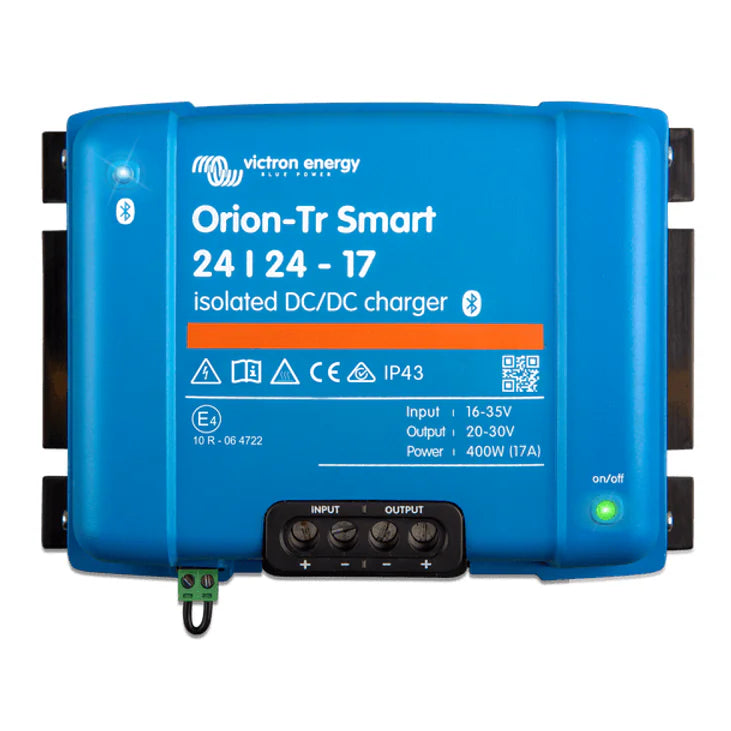
This range includes Victron Orion-Tr Smart and Orion XS 1400 chargers and the Enerdrive ePower DC-DC/MPPT charger. These units suit 24V trucks, commercial vehicles, 4WD conversions, boats and off-grid installations.
Choosing Between the Available Models
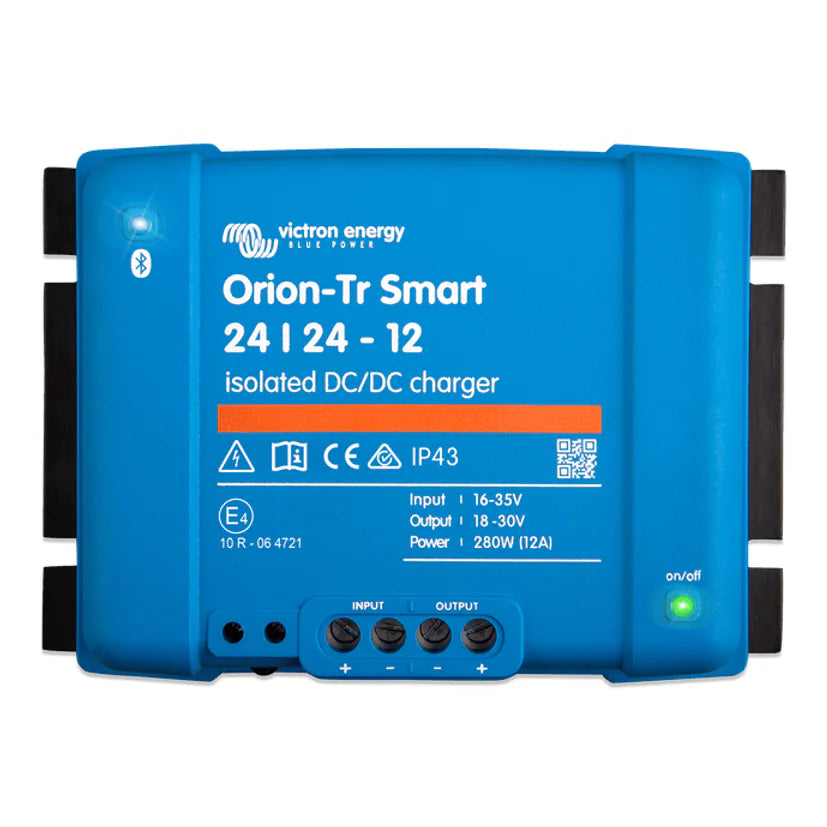
- Victron Orion-Tr Smart 24/24-12A Isolated: A compact option for smaller auxiliary banks. Galvanic isolation separates the input and output circuits.
- Victron Orion-Tr Smart 24/24-17A Isolated: Provides a higher charge current with full isolation. It suits marine and commercial systems where separating the start and house negatives is preferred.
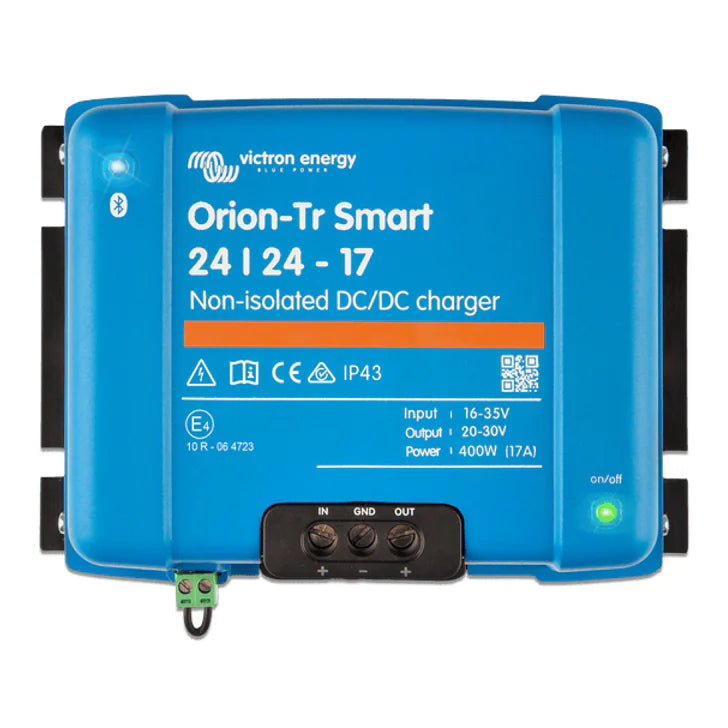
- Victron Orion-Tr Smart 24/24-17A Non-isolated: Delivers the same 17A output for installations where the input and output share a common negative, which is typical in many vehicle builds.
- Victron Orion XS 1400 (12V & 24V): A high-output, high-efficiency DC-DC smart charger for systems that need more charging capacity.
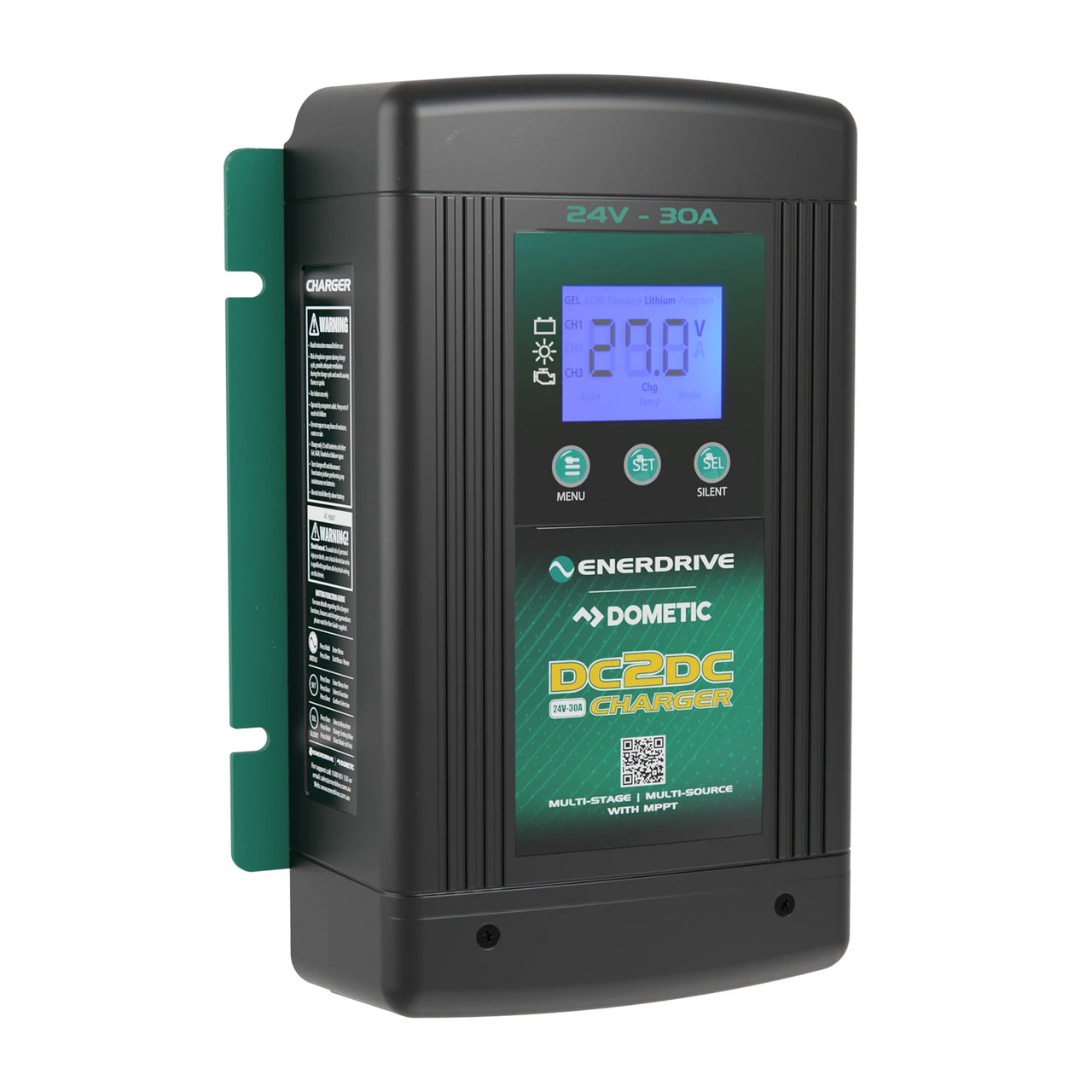
- Enerdrive 24V 30A ePower DC-DC/MPPT: Combines alternator charging with a built-in MPPT solar input. One unit can charge from both the vehicle and roof or portable solar panels.
The Victron Orion-Tr Smart models include Bluetooth. You can configure charge settings and monitor performance in the VictronConnect app.
Isolated vs Non-isolated Chargers
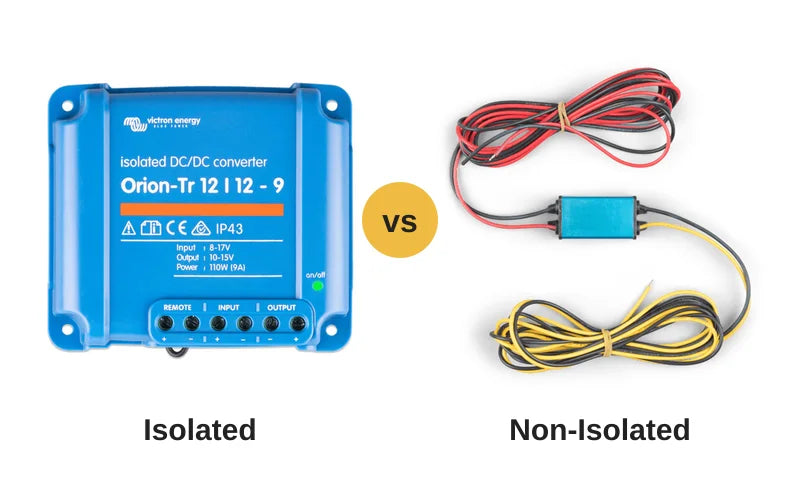
Isolated chargers fully separate the input and output circuits. This can reduce electrical noise and help prevent ground loops, and isolated units are commonly chosen for boats and sensitive electronics. Non-isolated chargers are typically lighter and more efficient, and they work well where the start and house systems share a chassis negative. Our guide to isolated vs non-isolated DC-DC chargers explains the differences in detail.
Sizing and Selection Tips
Match charge current to your battery bank. Check the recommended charge rate for your battery, then choose a charger current your alternator can support without being overloaded during long drives.
Consider solar. If you also plan to charge from solar panels, the Enerdrive ePower DC-DC/MPPT combines both charge sources in a single unit. This reduces the number of components and the amount of wiring.
Plan for future expansion. Multiple Orion-Tr Smart units can be used in parallel where more current is needed. Higher-output models such as the Orion XS 1400 can also suit larger lithium banks.
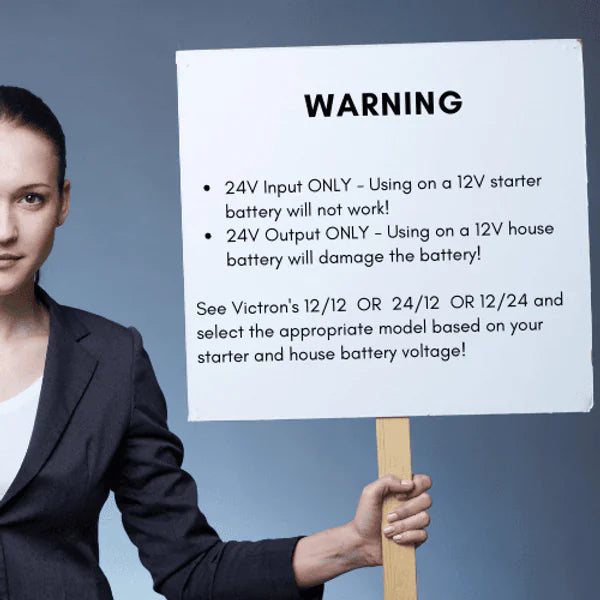
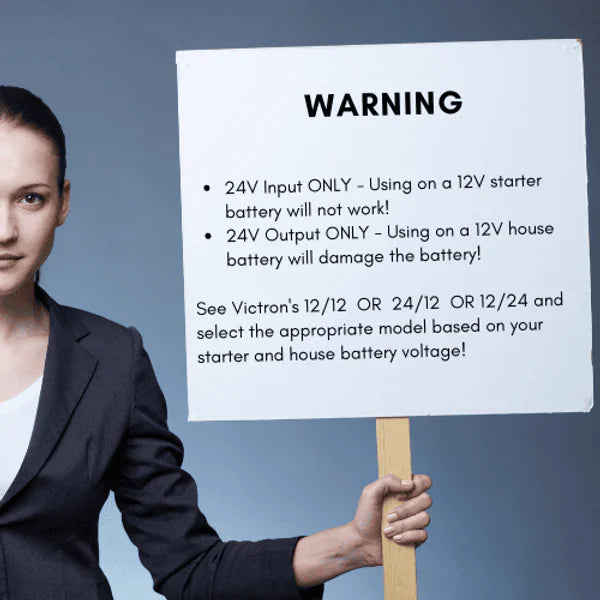
Check your system voltages. If your vehicle runs a 12V starting system with a 24V house battery, browse 12V to 24V DC-DC chargers instead. To compare every option across input voltages, see the full 24V DC-DC chargers range.
Choose the 24V to 24V DC-DC charger that matches your battery bank, alternator and wiring layout to get dependable auxiliary charging on every trip. Order today and power your truck, boat or 4WD with trusted Victron or Enerdrive technology.