 Solar Panels
 Solar Controllers
 Batteries
 Inverters
 Mains Chargers
 DC-DC Chargers
 Cables/Accessories
 Power Converters
 Monitoring
 Kits
Kits
 By Application
 By Brand









101W to 200W Solar Panels
101W–200W solar panels for caravans, 4WDs, boats & off-grid
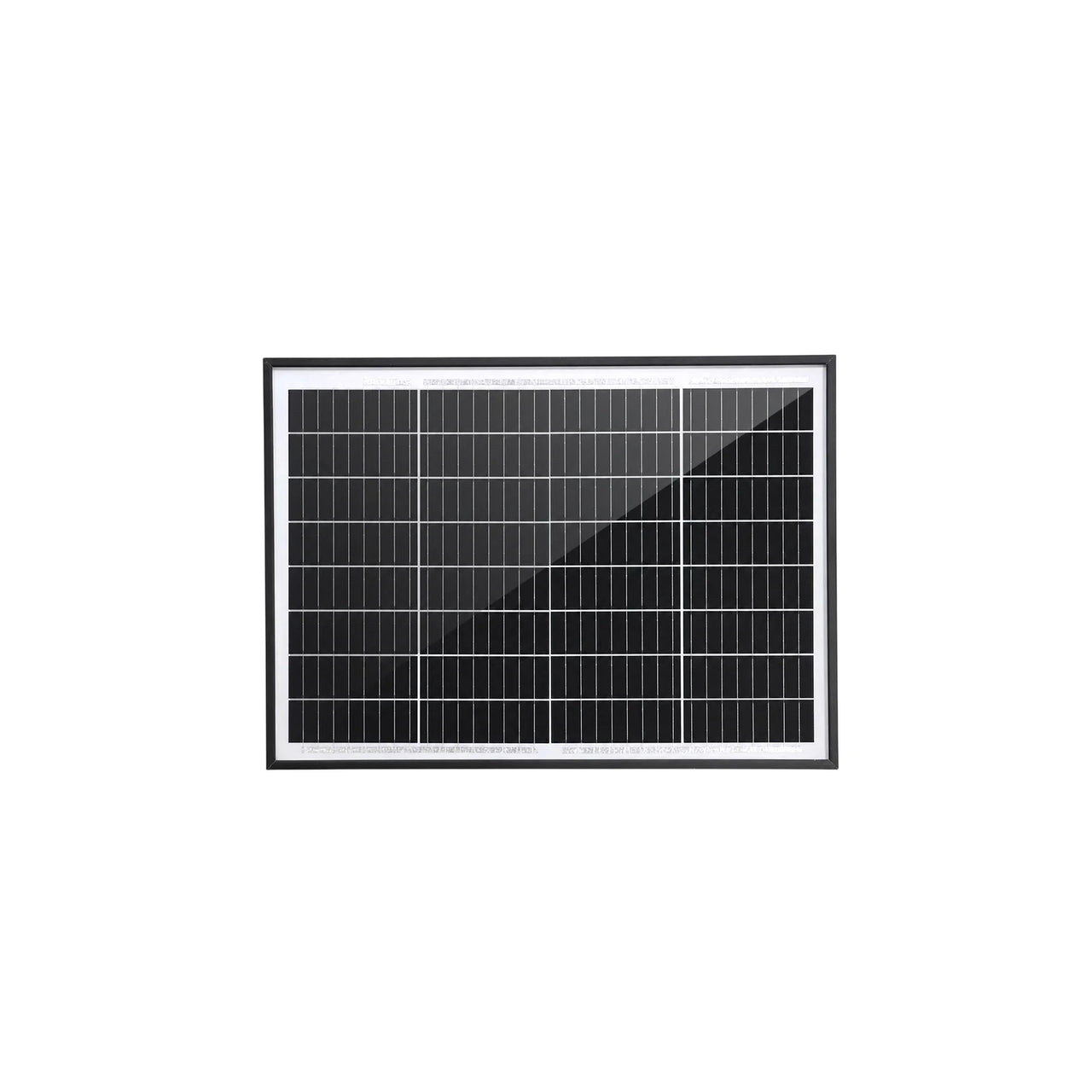
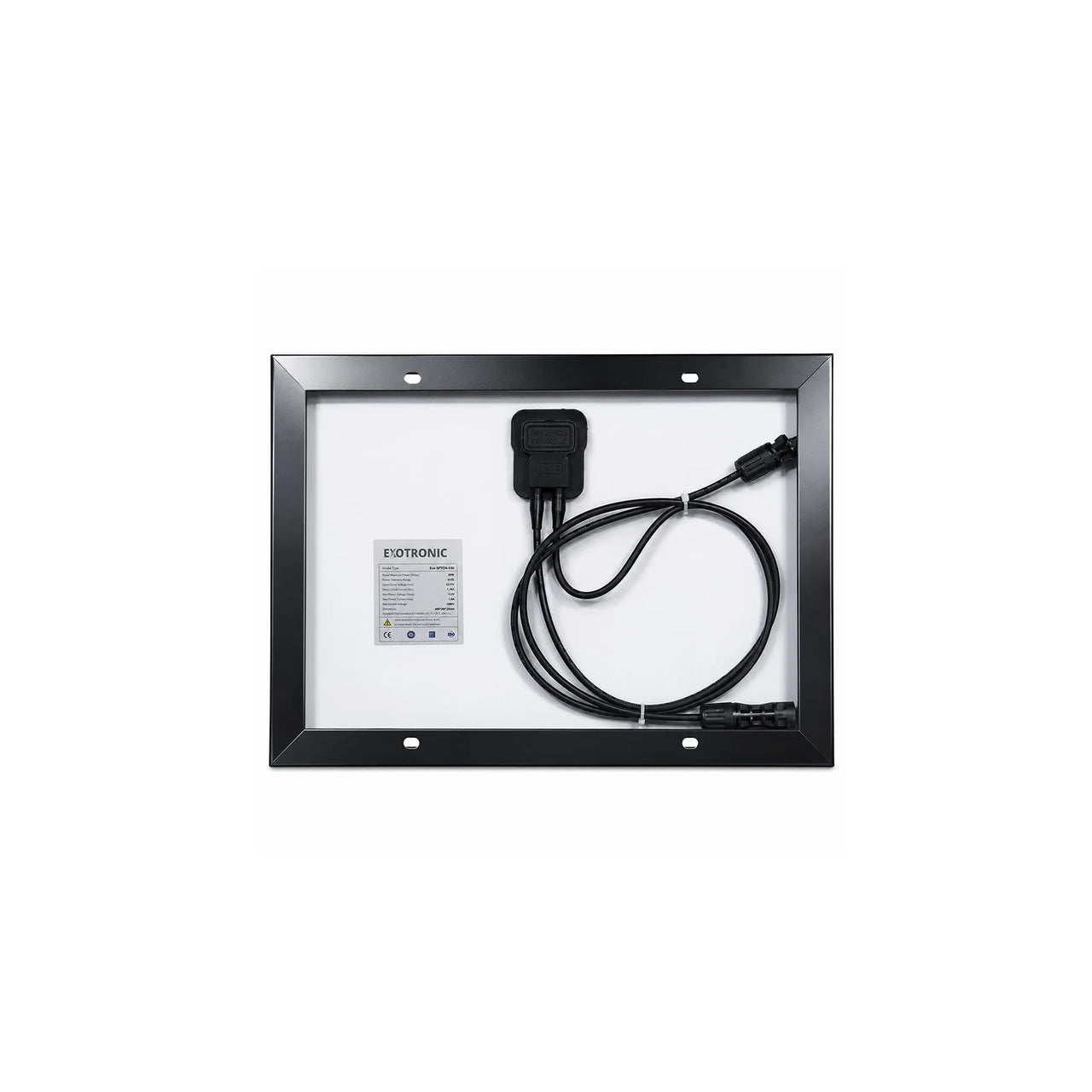


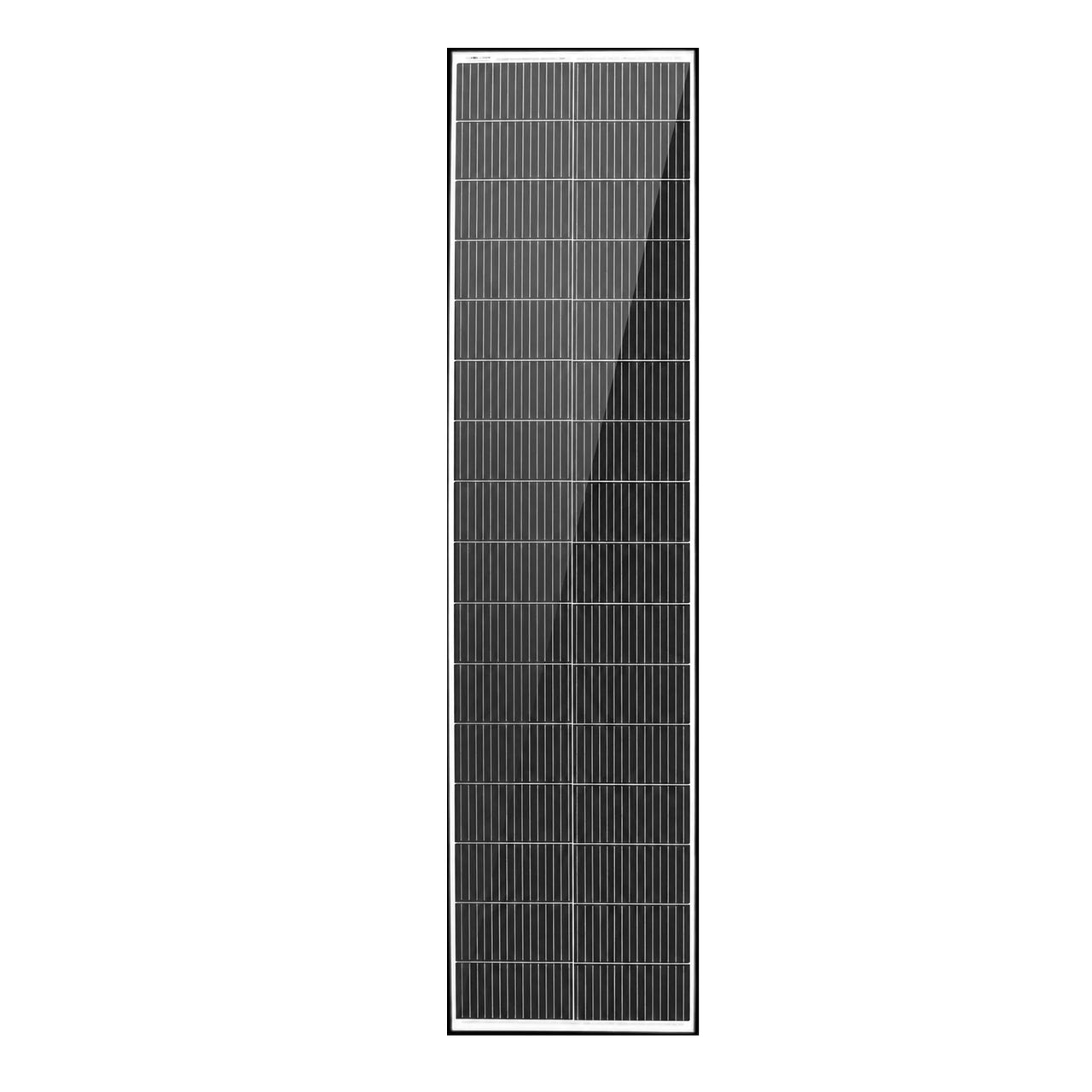
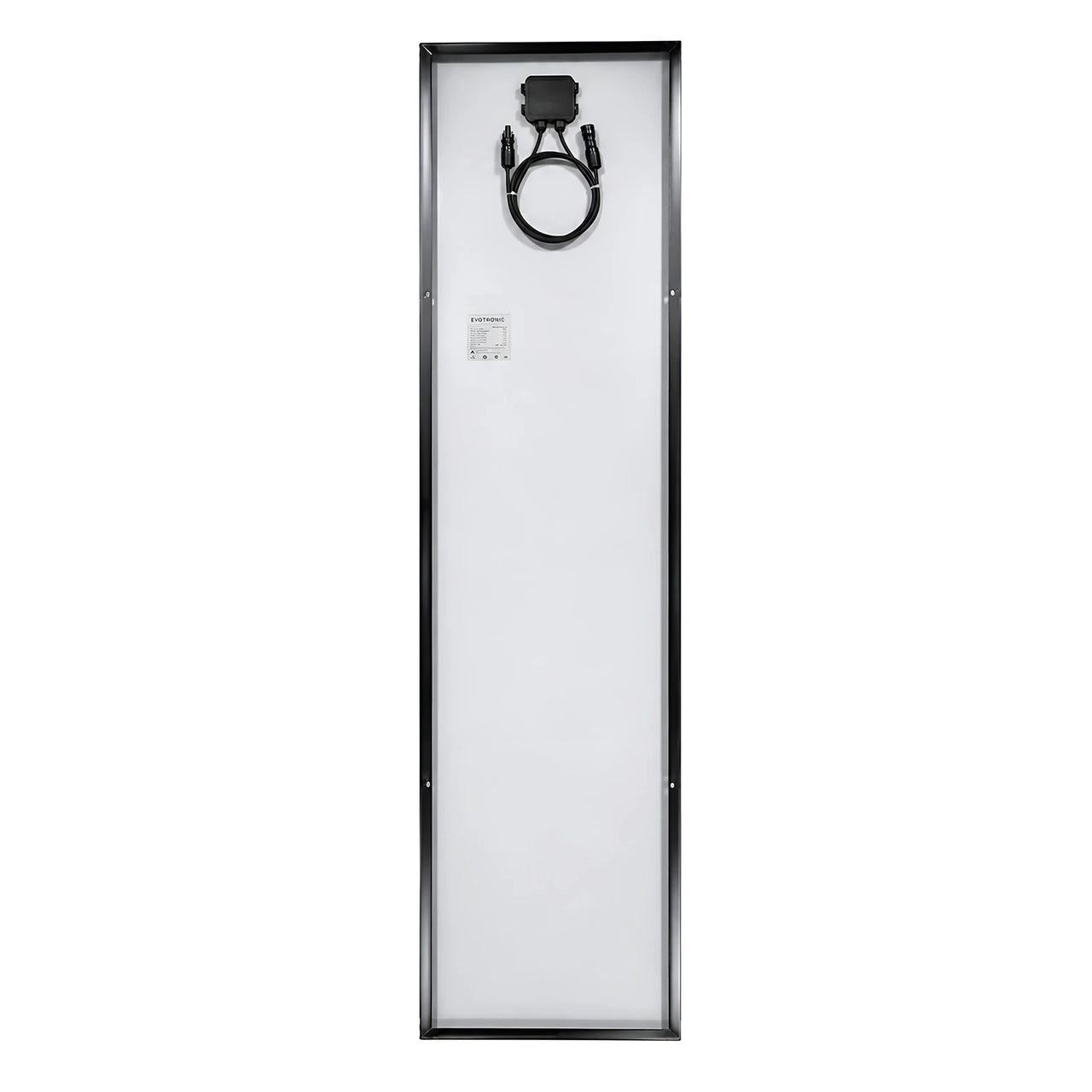
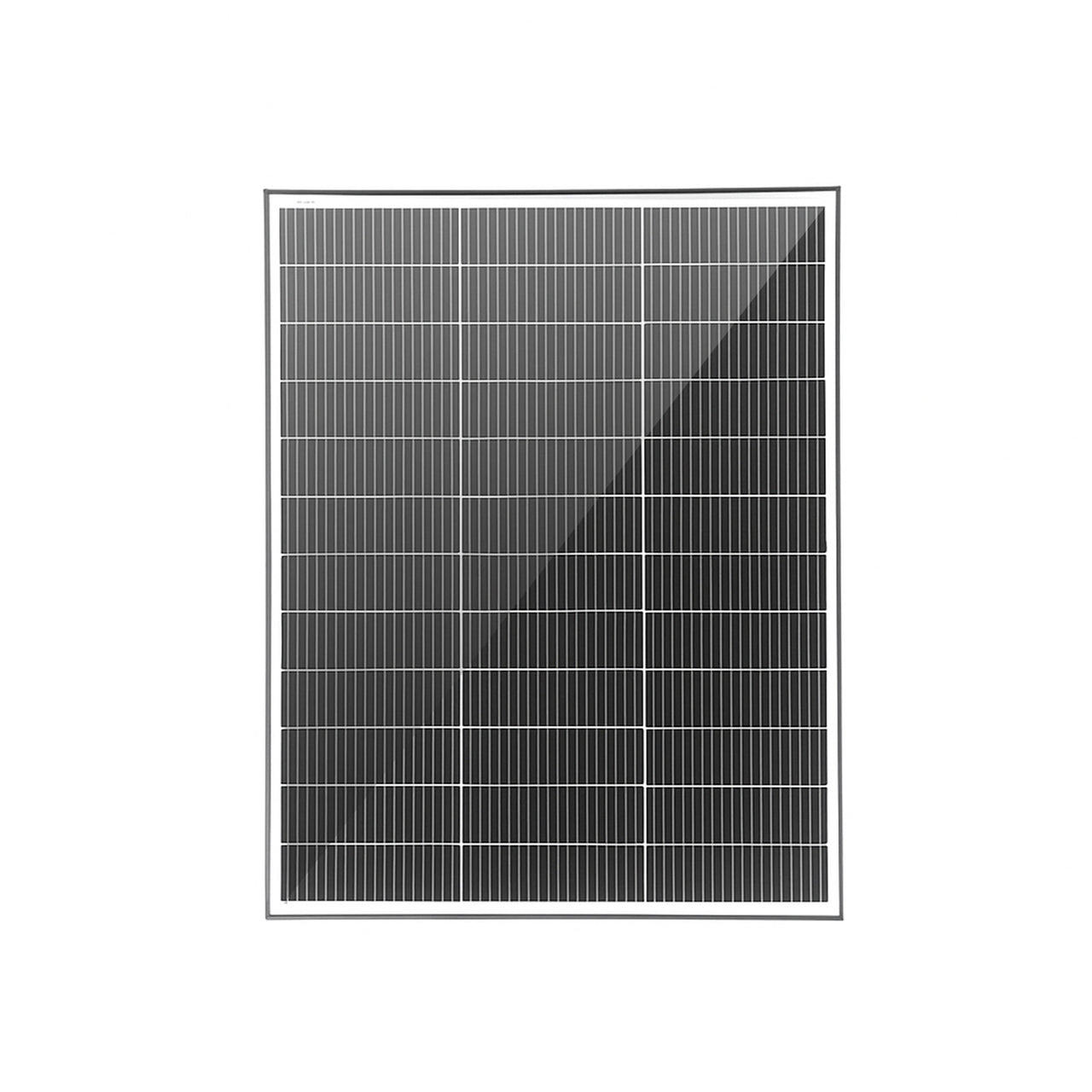

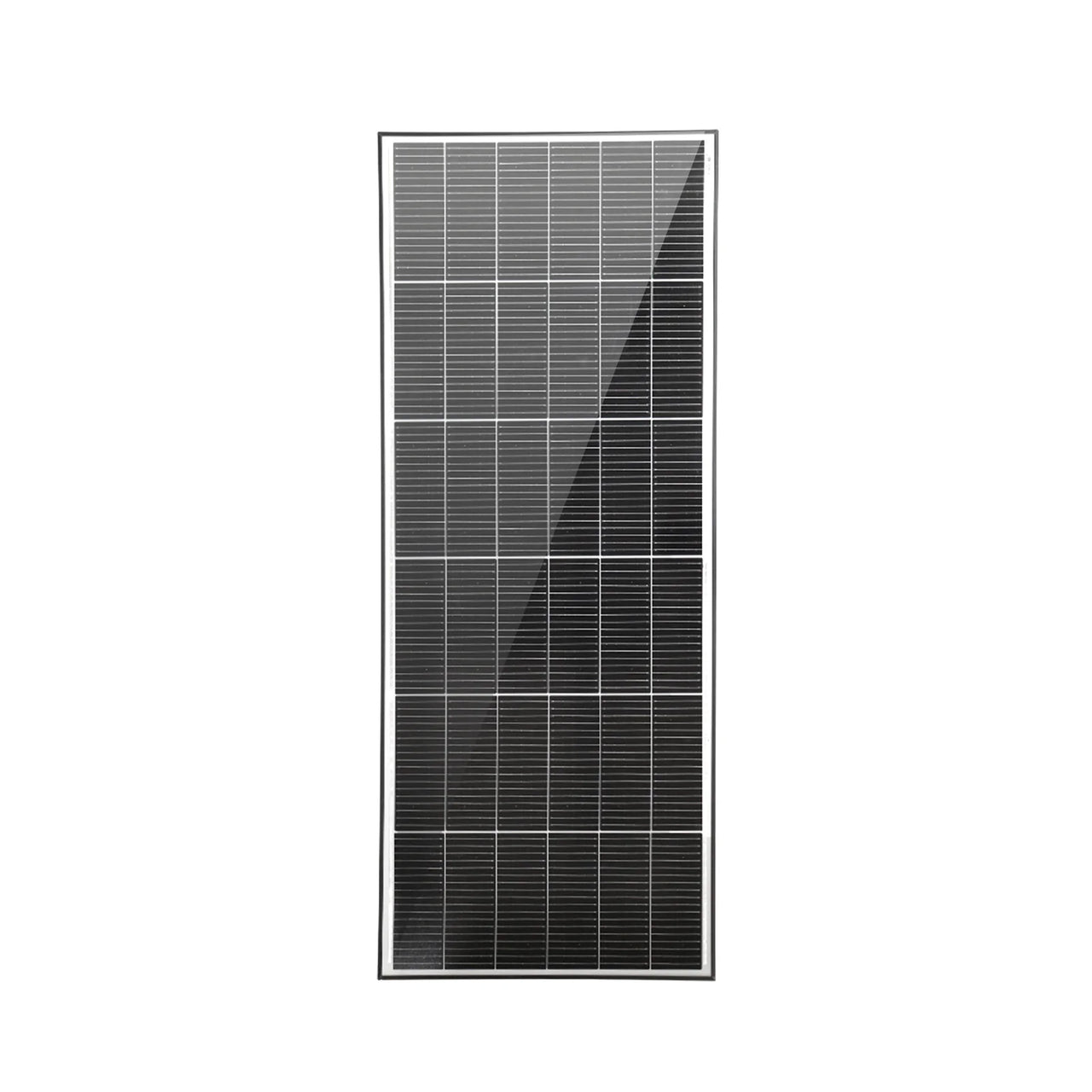

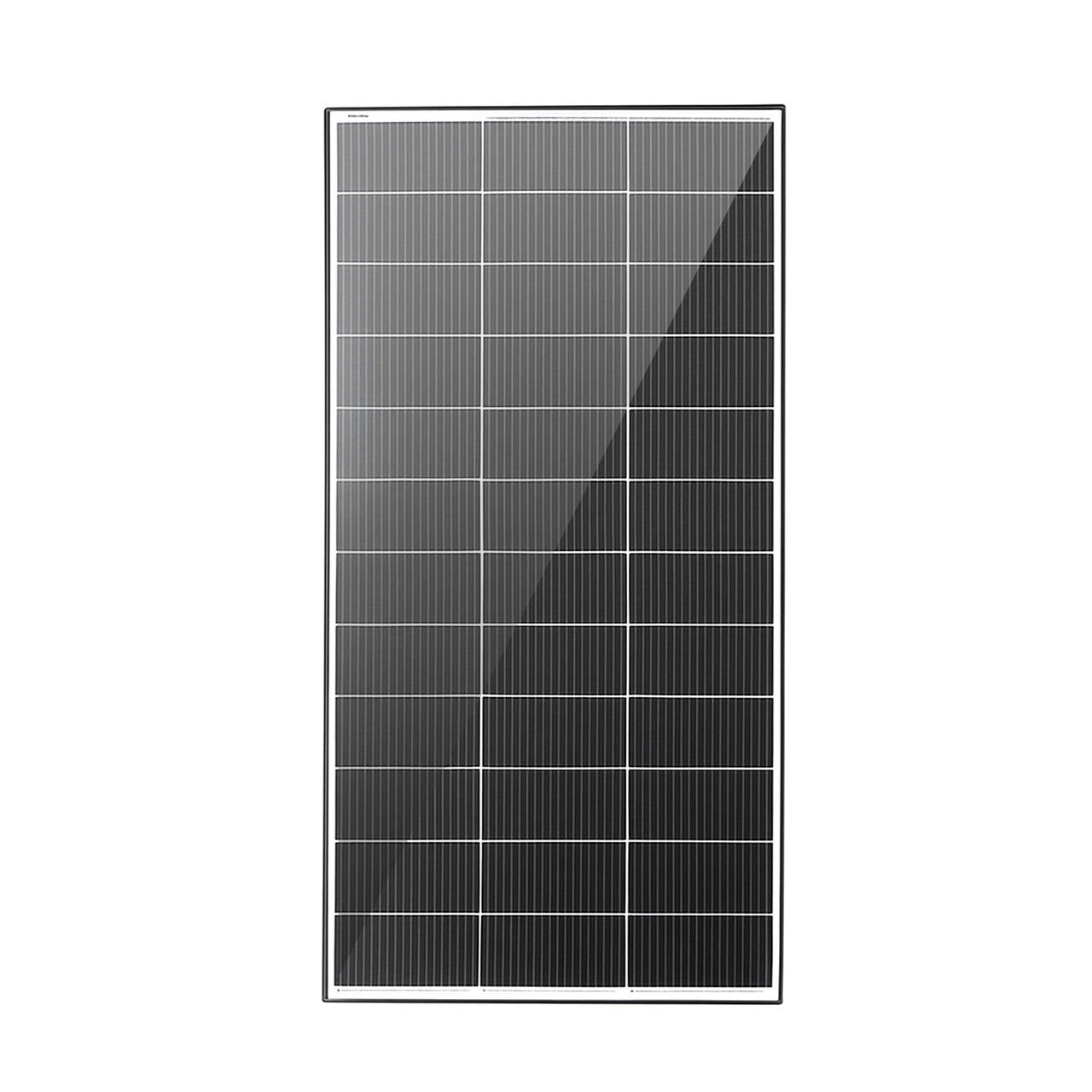

101W to 200W Solar Panels: Compact Power for Mobile & Off-Grid Systems
When roof space is limited but energy demands are real, the 101–200 watt class delivers an optimal balance of output and footprint. These mid-range panels are a practical choice for caravans, camper trailers, 4WD canopies, boats, and small off-grid shelters where every millimetre counts. Whether you need a permanent roof-mounted solution or a portable kit to chase the sun, this wattage bracket covers the most common touring and auxiliary charging scenarios.
Our range spans fixed glass, semi-flexible, and portable folding designs, with monocrystalline and polycrystalline cell technologies available. Voltages include 12V nominal for standard setups and 24V nominal for longer cable runs or native 24V systems. All panels are selected to perform reliably under Australian conditions, with robust construction and high-efficiency cells that maximise daily harvest.
Why 101W–200W Panels Are the Sweet Spot for Mobile Solar
For many travellers, a single 200W panel or a pair of 120–150W units provides enough energy to run a 12V fridge, LED lighting, device charging, and occasional inverter loads without overwhelming the roof. These panels are also easier to fit between roof hatches, air-conditioners, and rack rails compared to larger residential-sized modules. If you are upgrading from a smaller panel or building a new system, this wattage range often represents the best value per watt and the simplest installation.
Panel Types in the 101W–200W Range
Fixed / Rigid Glass Solar Panels
Framed glass panels remain the go-to for permanent roof mounting. They offer excellent durability, high impact resistance, and strong long-term performance. Our selection includes narrow form factors (e.g., 115W, 130W, 145W) designed to fit tight rib gaps on vans like Sprinters and Transits, as well as wider 150W, 190W, and 200W models for larger roof areas. Monocrystalline PERC cells are common, delivering high efficiency and good low-light response.
- Installation: Use Z-brackets or ABS spoiler mounts; compatible with most roof rack systems.
- Best for: Caravans, motorhomes, houseboats, and static off-grid arrays.
Semi-Flexible Solar Panels
When weight and profile matter, semi-flexible panels are a compelling alternative. The Sunman eArc 175W, for example, uses advanced composite materials to achieve a thin, lightweight build that can conform to gentle curves. These panels bond directly to suitable surfaces, reducing wind drag and maintaining a clean roofline. Correct installation and heat management are critical for longevity, so we recommend following our flexible solar panel mounting guide for best results.
- Installation: Bond-down with structural adhesive or VHB tape on prepared surfaces.
- Best for: Pop-tops, curved caravan roofs, boat decks, and weight-sensitive builds.
Portable Folding Solar Panels
Portable kits give you the freedom to park in the shade while your panels soak up full sun. Our 200W folding panels come with or without integrated MPPT controllers, including options with Victron SmartSolar or Bluetooth-enabled regulators. They deploy in seconds, pack flat for storage, and connect via Anderson plugs for straightforward integration with your existing battery system. Portable panels are an excellent supplement to roof solar or a standalone solution for weekend campers.
- Key benefit: Maximise solar harvest without permanent mounting.
- Best for: 4WD touring, unpowered sites, and vehicles with limited roof space.
Key Features to Compare
- Cell technology: Monocrystalline PERC offers higher efficiency; polycrystalline provides a cost-effective alternative.
- Frame colour: Black or silver frames available on select models to match your vehicle aesthetics.
- Voltage: 12V panels suit most caravans and 4WDs; 24V panels reduce current and voltage drop on longer cable runs.
- Dimensions: Check width and length against your available roof space—narrow panels (e.g., 115W, 130W) fit between roof fittings.
- Weight: Flexible panels are significantly lighter than glass, important for pop-tops and lightweight builds.
System Compatibility & Performance Tips
All panels in this range work with standard PWM and MPPT solar charge controllers. For best results, pair your panel with an MPPT solar charge controller to extract maximum power, especially in variable weather or when panel voltage exceeds battery voltage. Correct solar cable sizing minimises voltage drop and ensures efficient charging. If you are adding a second panel, consult our guide to adding a second solar panel for wiring and regulator considerations.
Before You Buy: Quick Checklist
- Measure your available roof area (width × length) and note any obstructions.
- Confirm your battery voltage (12V or 24V) and regulator type (PWM or MPPT).
- Decide between permanent roof mount (fixed or flexible) and portable deployment.
- Check panel weight if mounting on a pop-top or lightweight structure.
- Consider future expansion: a slightly larger panel now may save upgrading later.
Frequently Asked Questions
What can a 200W solar panel run?
A 200W panel can typically support a 12V fridge (40–60L), LED lighting, phone/tablet charging, and a water pump in a caravan or camper. Actual output depends on sunlight hours, season, and system efficiency. In good conditions, expect around 800–1200Wh per day.
Is a 200W solar panel enough for a caravan?
For many solo travellers or couples, a 200W panel is sufficient for basic loads. If you run an inverter for laptops or a coffee machine, or camp in shaded areas, consider adding a portable panel or upgrading to 300W+.
Can I mix different wattage panels on the same roof?
Yes, but it requires careful matching of voltage and current, and an MPPT controller is strongly recommended. Mismatched panels can reduce overall efficiency. Our solar panel wiring guide explains series vs. parallel configurations.
Are flexible solar panels as durable as rigid glass panels?
Rigid glass panels generally offer longer lifespans and better impact resistance. High-quality flexible panels like the Sunman eArc use robust polymer materials and can last many years when installed correctly with adequate ventilation. Avoid cheap flexible panels that lack proper thermal management.
Need help choosing? Our technical team can review your roof layout and energy needs to recommend the best panel configuration. Contact us for personalised advice, or browse our buyer's guides for in-depth comparisons and sizing calculators.