 Solar
 Solar Panels
 Solar Charge Controllers
 Mounting
 Solar Accessories
 Solar Kits
 Batteries
 Batteries
 Battery Management
 Battery Boxes
 Battery Kits
 Chargers
 Mains Chargers
 DC-DC Chargers
 Alternators & Regulators
 Charger Kits
 Inverters
 Inverters
 Inverter Kits
 Electrical
 Circuit Protection
 Connectors, Busbars & Terminals
 Switch Panels & Accessories
 240V Equipment
 EV Chargers
 Starlink
 Cables
 Cables
 Pre-made Leads
 Cable Management
 Converters
 DC-DC Converters
 Transformers
 Monitoring
 Monitoring
 Monitoring Kits
 Kits
 Pre-Wired Boards
 4x4/Canopy Power Systems
 Solar Kits
 Inverter Kits
 Charger Kits
 Battery Kits
 Monitoring Kits
 By Application
 Caravan, Camper & RV
 Camping & Portable
 Marine/ Boat
 4x4/4WD & Off-Road
 Off-Grid Homes & Sheds
 Golf Carts
 Portable 12V Car Chargers
 Portable 24V Bus/Truck Chargers
 By Brand




































 Pre-Wired Boards
 4x4/Canopy Power Systems
 Solar Kits
 Inverter Kits
 Charger Kits
 Battery Kits
 Monitoring Kits


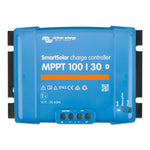

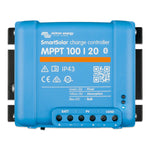
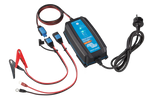

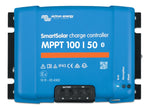




































24V to 24V DC-DC Converters
Victron isolated and Buck-Boost converters delivering a stable 24V supply for trucks, boats and RVs

24V to 24V DC-DC Converters and Voltage Regulators
A 24V to 24V DC-DC converter works as a 24V voltage regulator. It takes the variable voltage of a 24V battery or alternator circuit and delivers a steady, controlled 24V output. In trucks, buses, motorhomes, boats and off-grid 24V systems, the supply moves with the charging stage, the battery state of charge and the load. Some electronics are sensitive to these swings, including navigation gear, radios, routers, sensors and LED lighting. A dedicated converter gives that equipment a consistent feed.
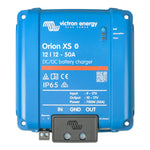
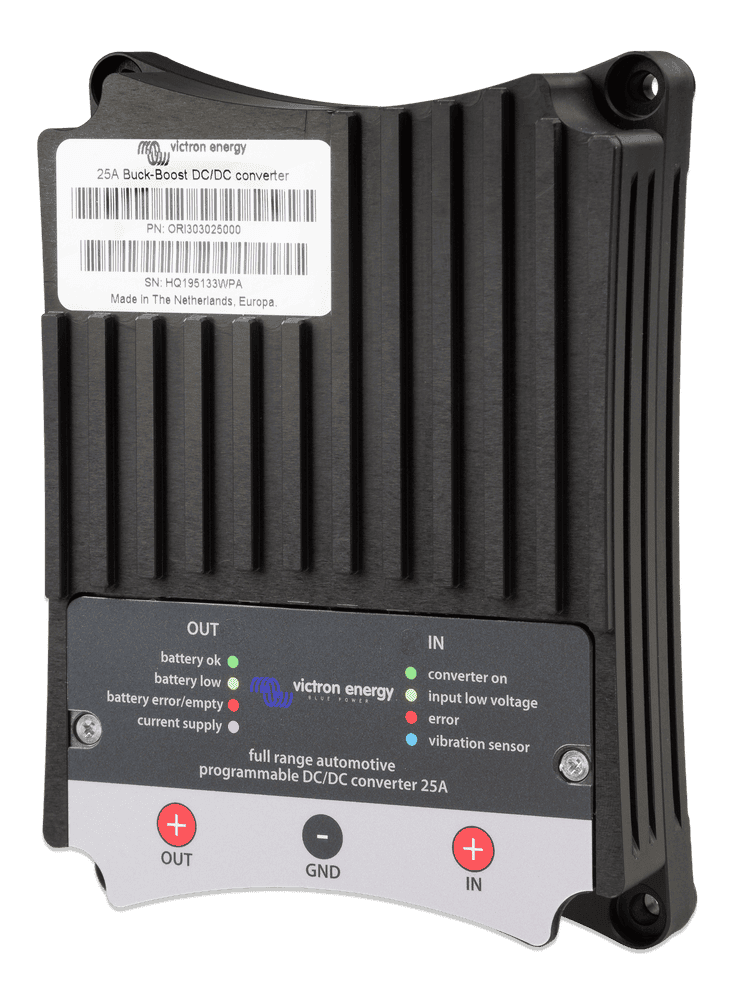
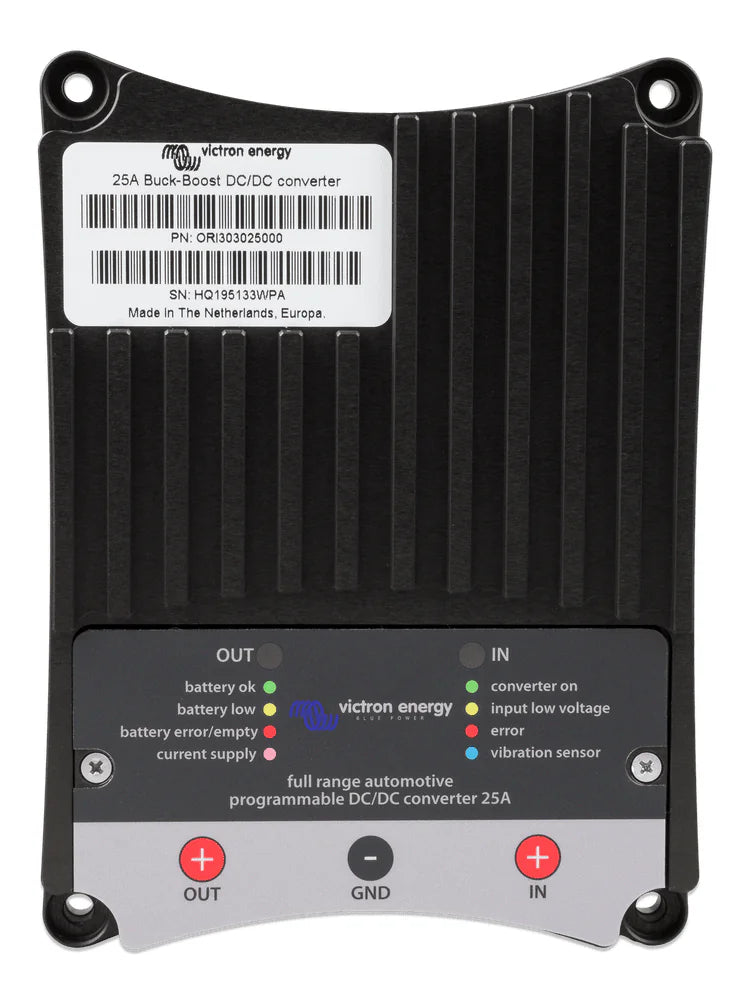
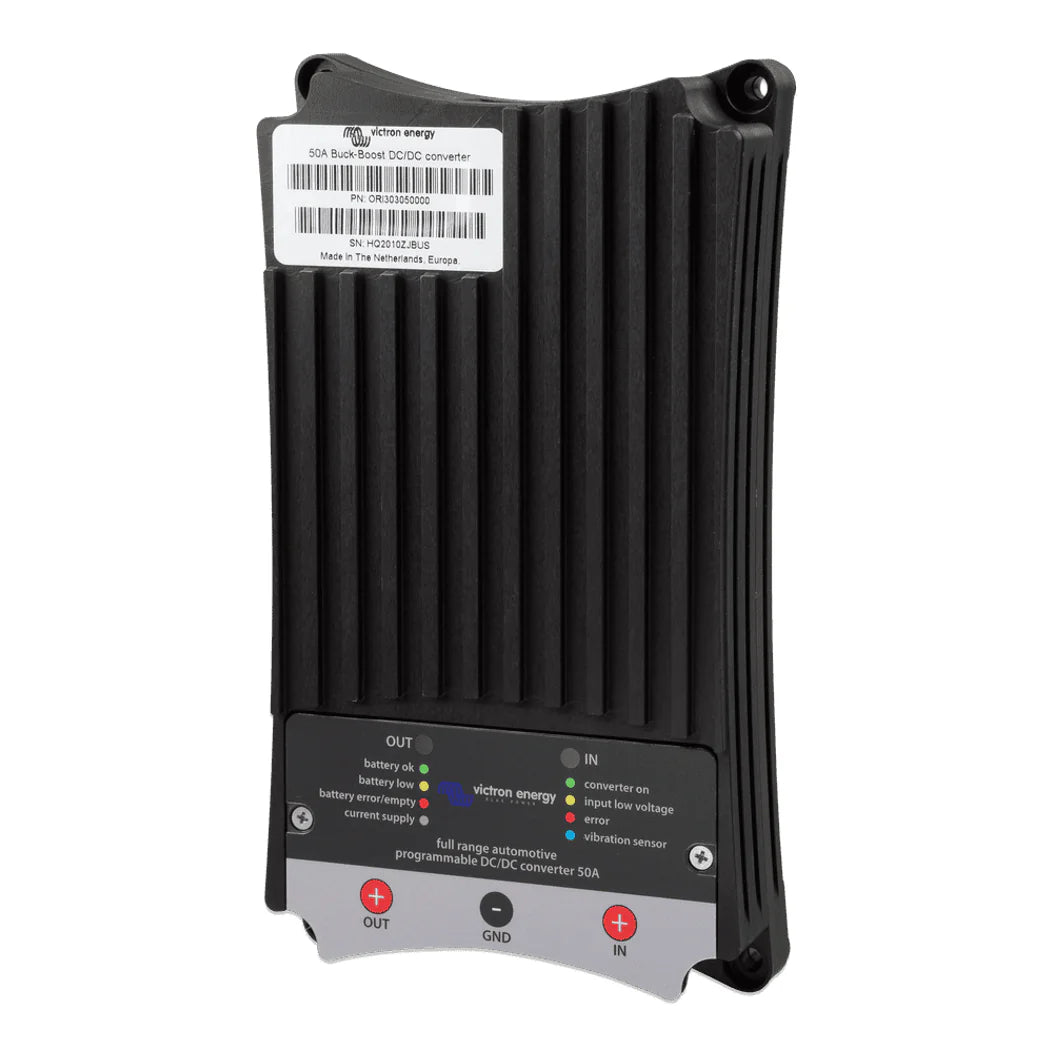
This collection covers two Victron product families. The Orion-Tr Isolated range is suited to regulating dedicated circuits. The Victron Buck-Boost range handles high-current regulation and charging between battery systems.
Victron Orion-Tr Isolated and Buck-Boost Converters
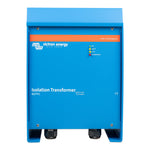
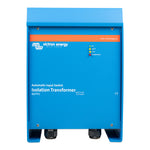
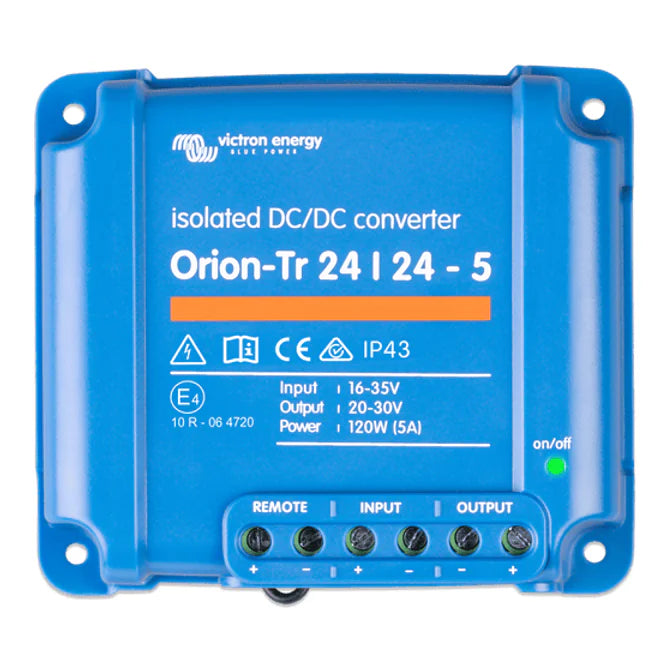
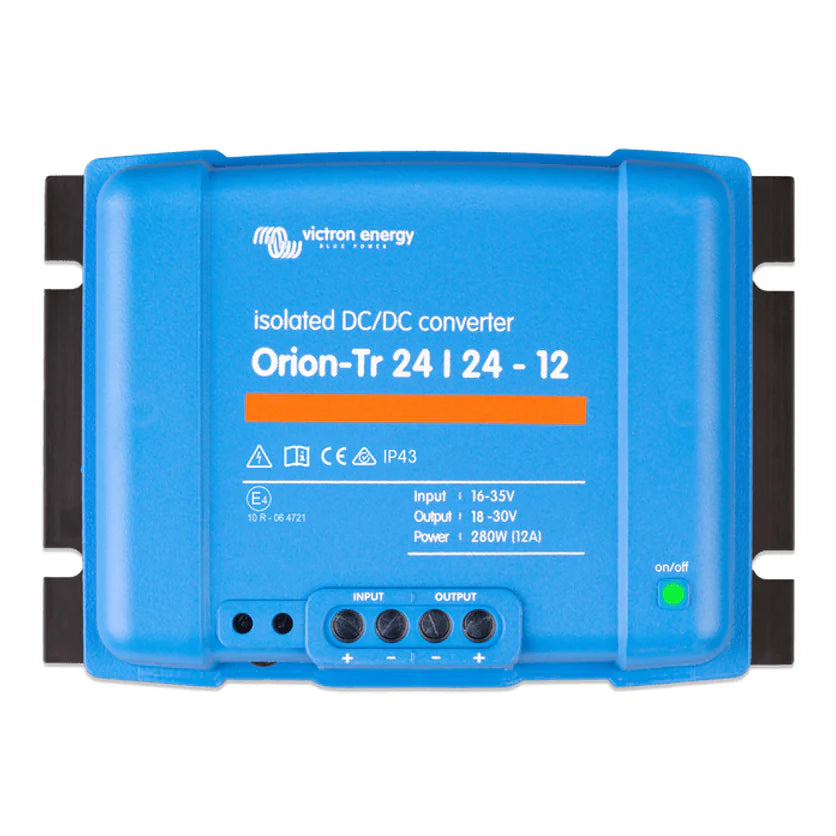
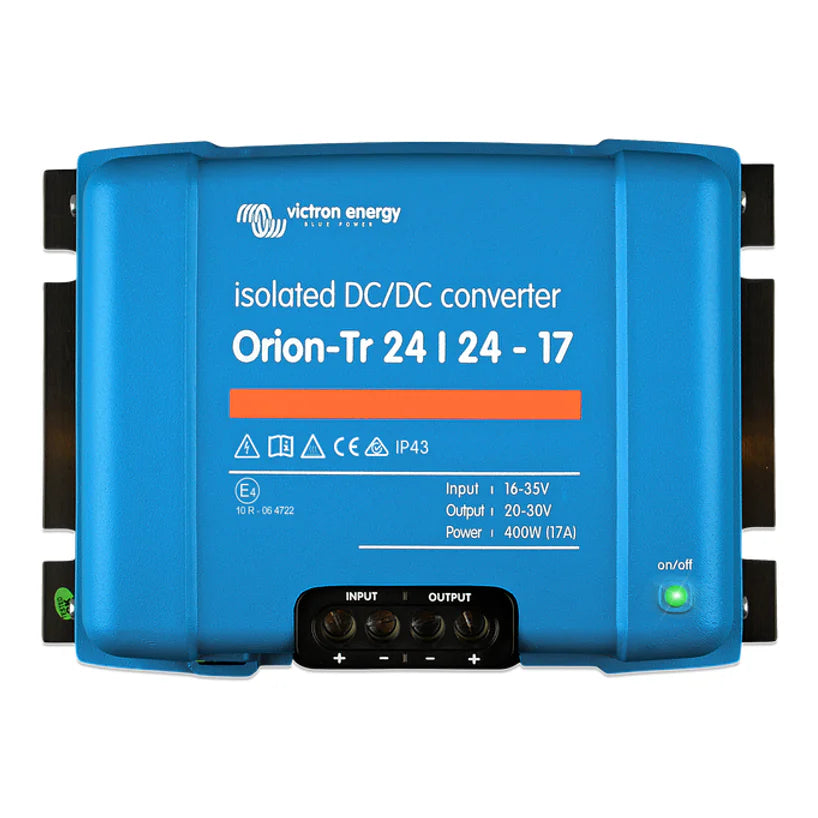
Orion-Tr 24/24 Isolated (5A, 12A, 17A): These compact converters separate the input and output circuits, which is known as galvanic isolation. This breaks ground loops and reduces the risk of stray current. It suits marine vessels, aluminium boats and installations where communication or audio equipment picks up interference. The 5A model suits a router or sensor circuit, while the 12A and 17A models can supply larger groups of 24V loads.
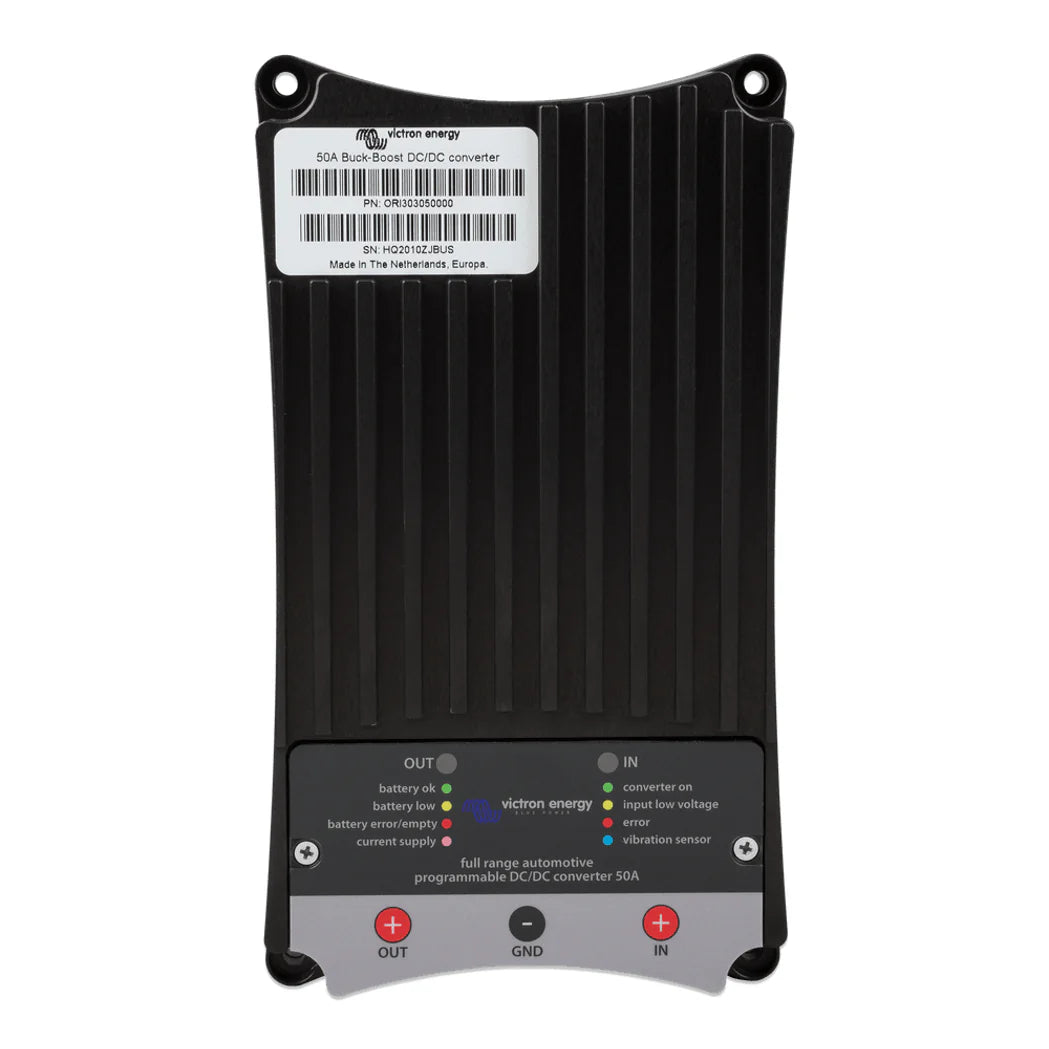
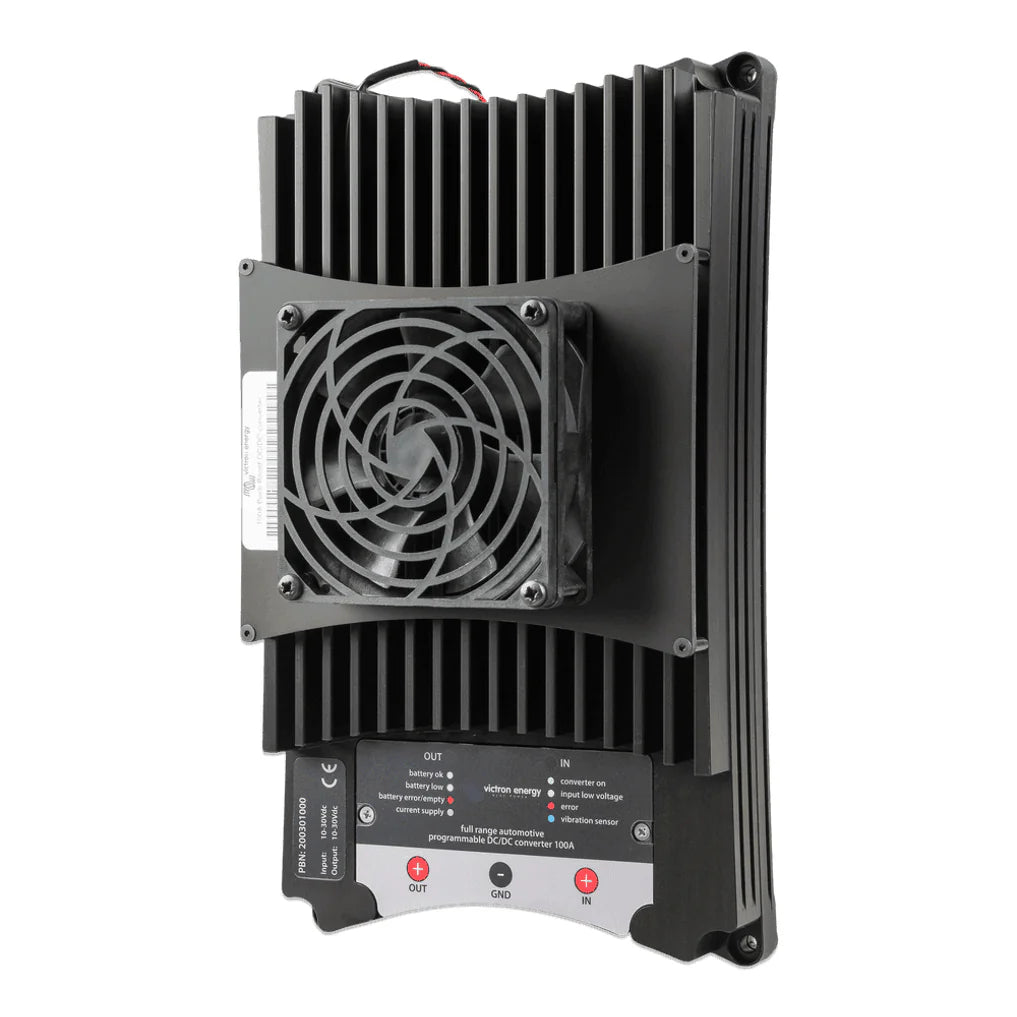
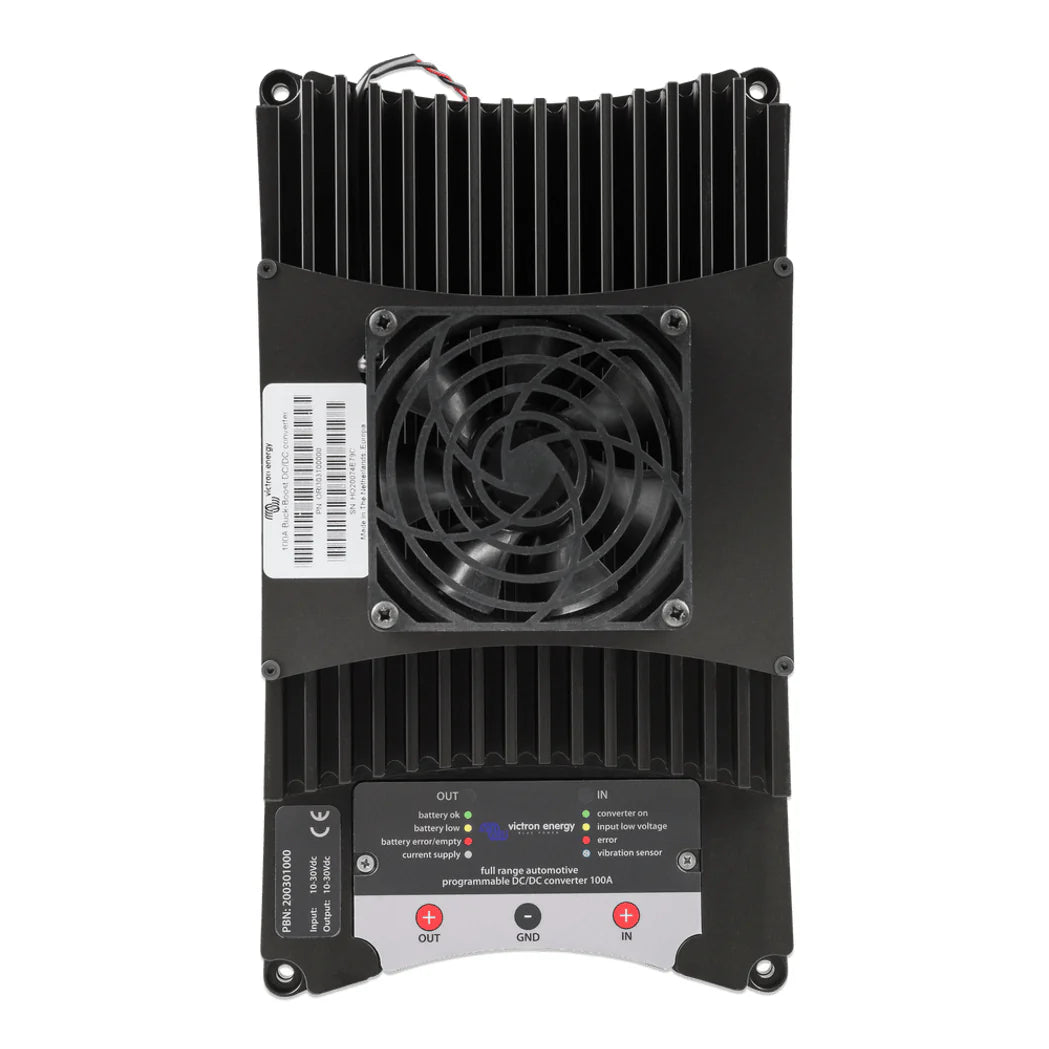
Buck-Boost 12/24V (25A, 50A, 100A): These units can step voltage down (buck) or up (boost). They hold the output on target even when the input sits above or below the set point. This makes them useful for regulating an alternator feed to a second 24V battery bank. They also compensate for voltage drop over the long cable runs common in buses, trucks and large motorhomes. The 12/24V rating means they also suit mixed 12V and 24V systems.
Choosing the Right 24V Regulator
- Isolation requirement: Choose an Orion-Tr Isolated unit where input and output negatives must stay separate. Choose a Buck-Boost where a shared negative is acceptable.
- Continuous current: Add up the continuous draw of the connected loads and allow some headroom. Use the 5A to 17A Orion-Tr models for dedicated circuits and the 25A to 100A Buck-Boost models for high-current transfer.
- Application: For a regulated power supply to electronics, an Orion-Tr is usually the simpler choice. For battery-to-battery charging or high-current regulation, use a Buck-Boost.
- Input behaviour: Check that the converter's input range covers your system's lowest loaded voltage and highest charging voltage.
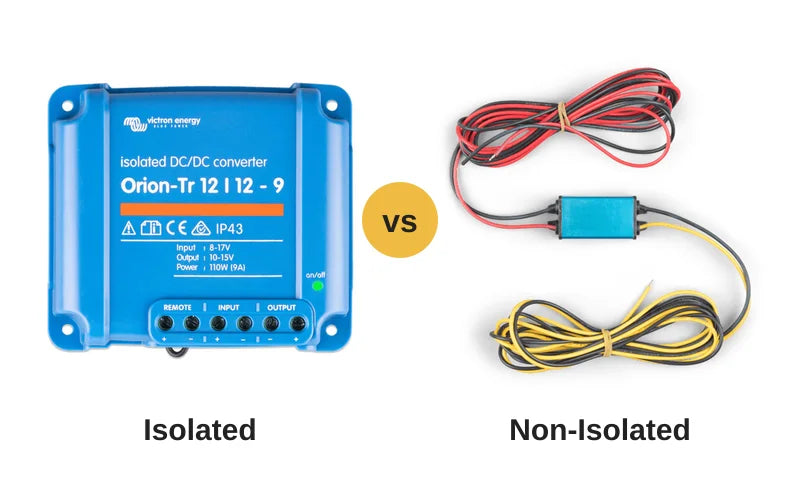
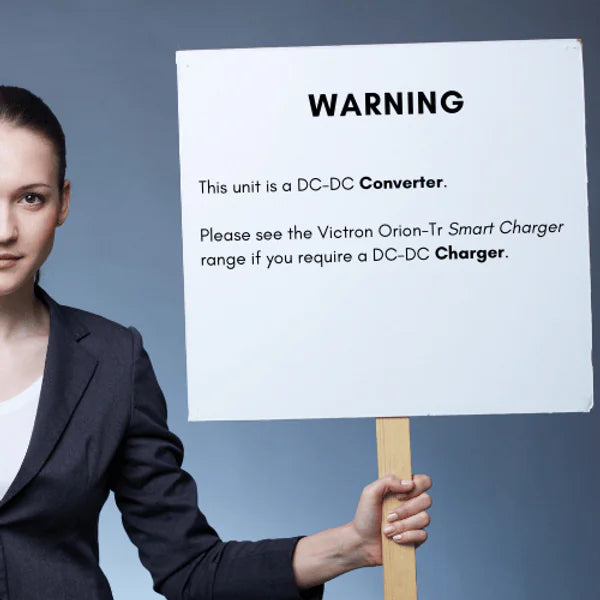
Not sure whether you need galvanic isolation? Our guide to isolated vs non-isolated converters and DC-DC chargers explains the differences and the typical use cases for each. For marine and interference-sensitive builds, you can also compare options across our isolated DC-DC converters.
Installation and Setup Considerations
Size the input and output cables for the converter's rated current and the cable run length. Fit appropriate fuse protection on both the input and output sides. Mount the unit somewhere with adequate airflow, particularly the higher-current Buck-Boost models. When a Buck-Boost is used for charging, set its output to suit the connected battery chemistry, such as lithium or AGM. If your project needs a different voltage pairing, such as 24V to 12V or 12V to 24V, browse the full range of DC-DC converters.
Give your sensitive 24V equipment a stable, regulated supply. Choose the Orion-Tr or Buck-Boost model that matches your current draw and isolation needs, and order your Victron 24V to 24V converter today.