 Solar Panels
 Solar Controllers
 Batteries
 Inverters
 Mains Chargers
 DC-DC Chargers
 Cables/Accessories
 Power Converters
 Monitoring
 Kits
Kits







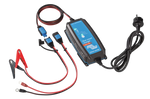
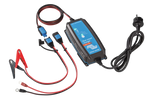
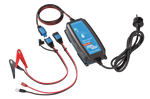
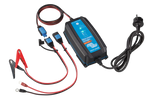
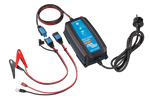
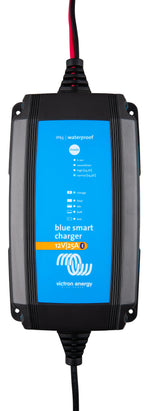
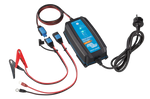


0A to 10A Mains Chargers
Compact 0–10A mains chargers for 12V & 24V batteries
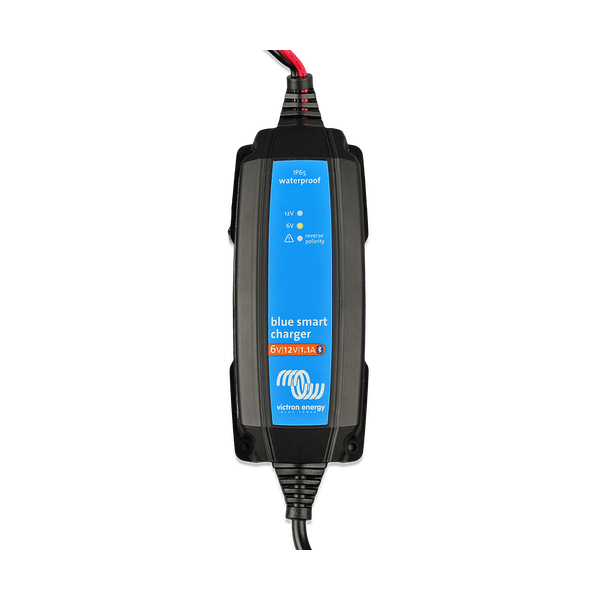
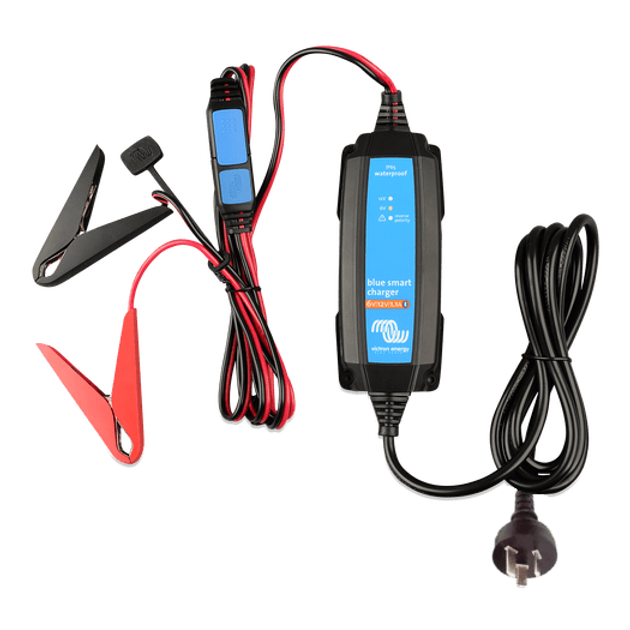
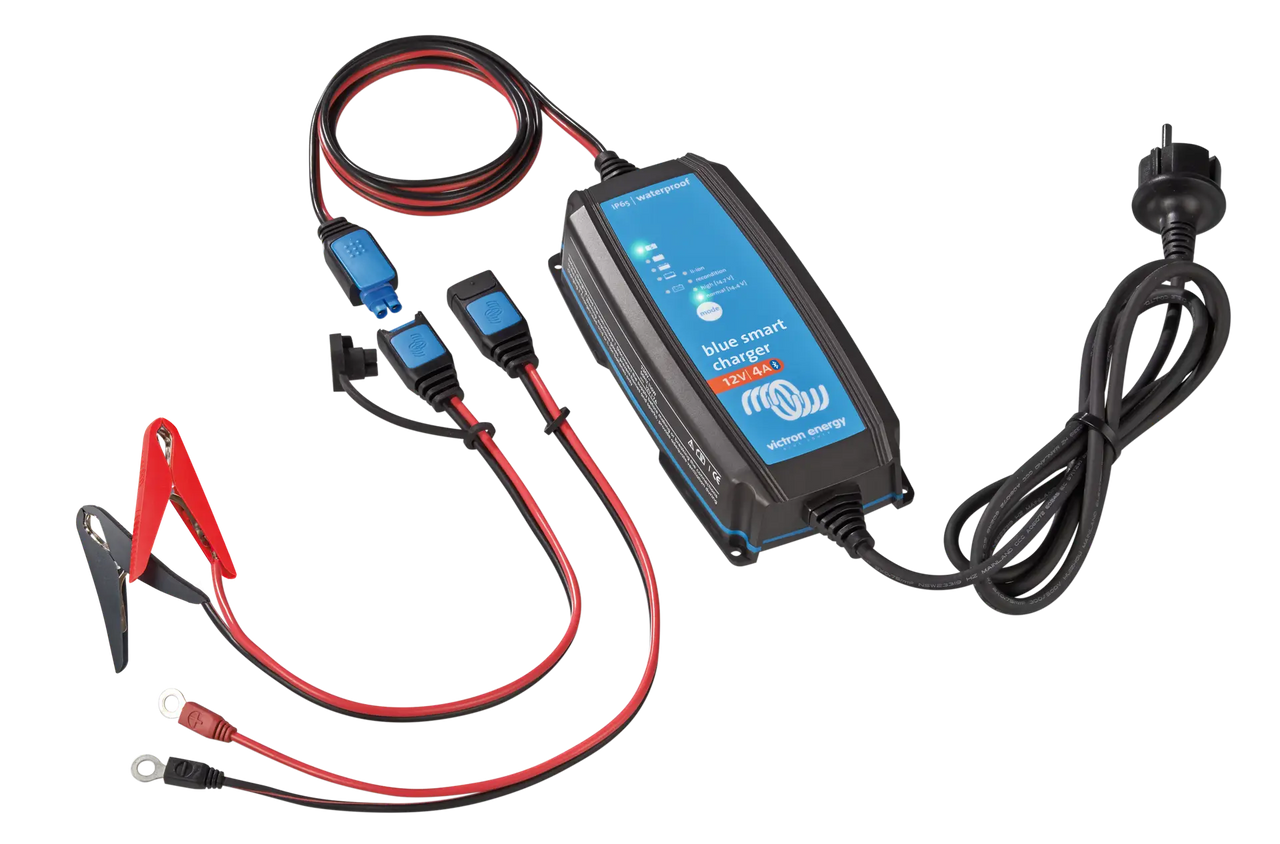
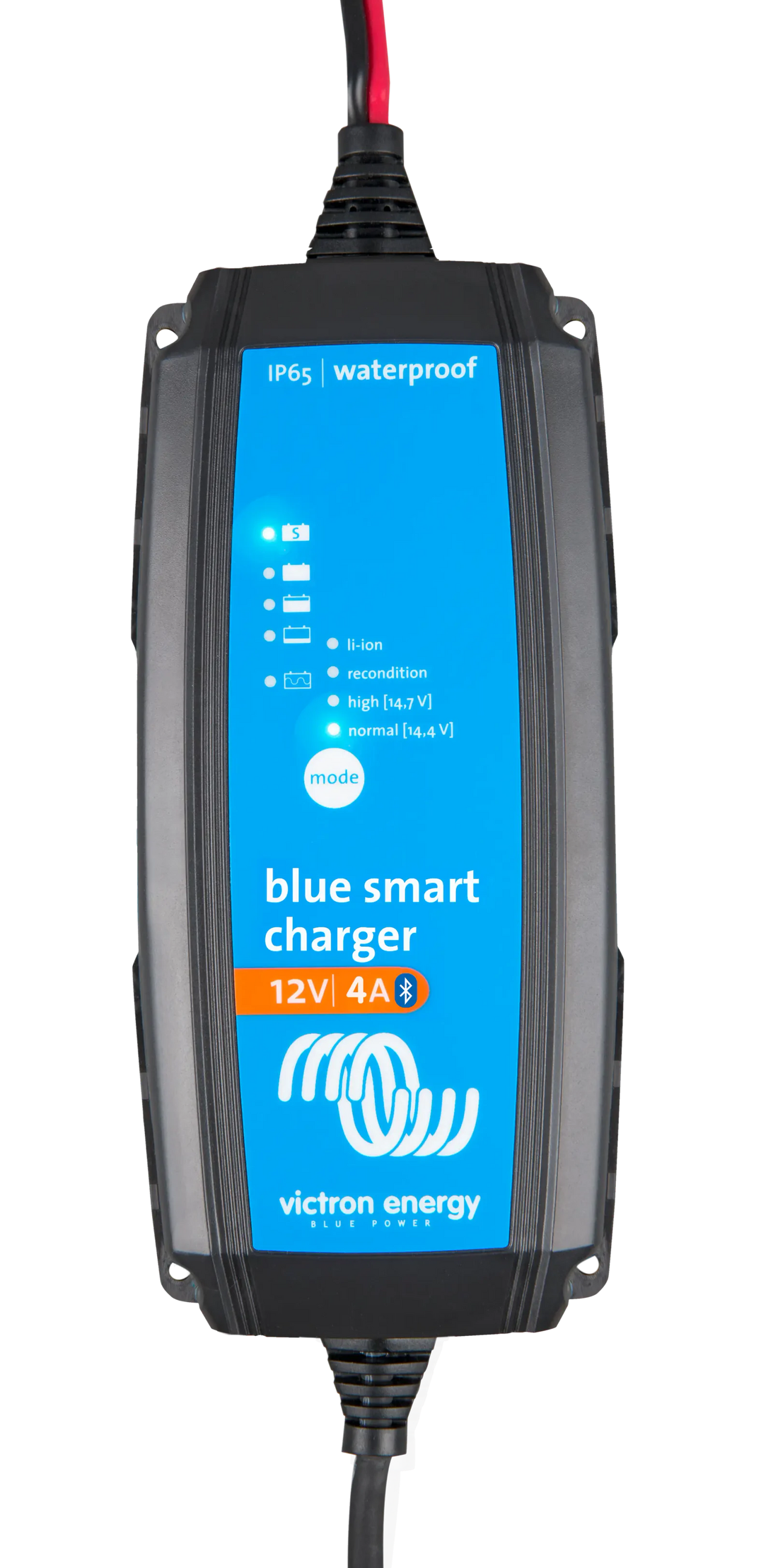
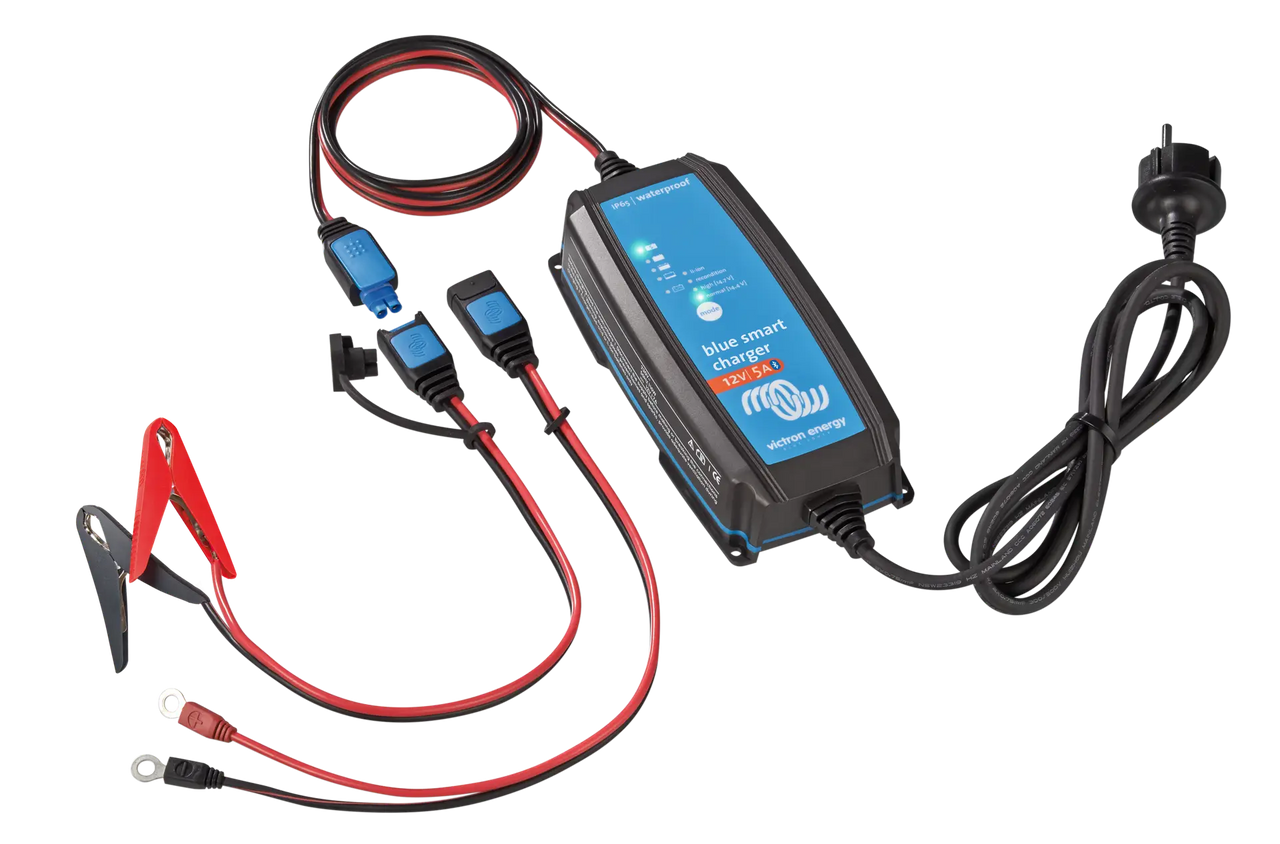
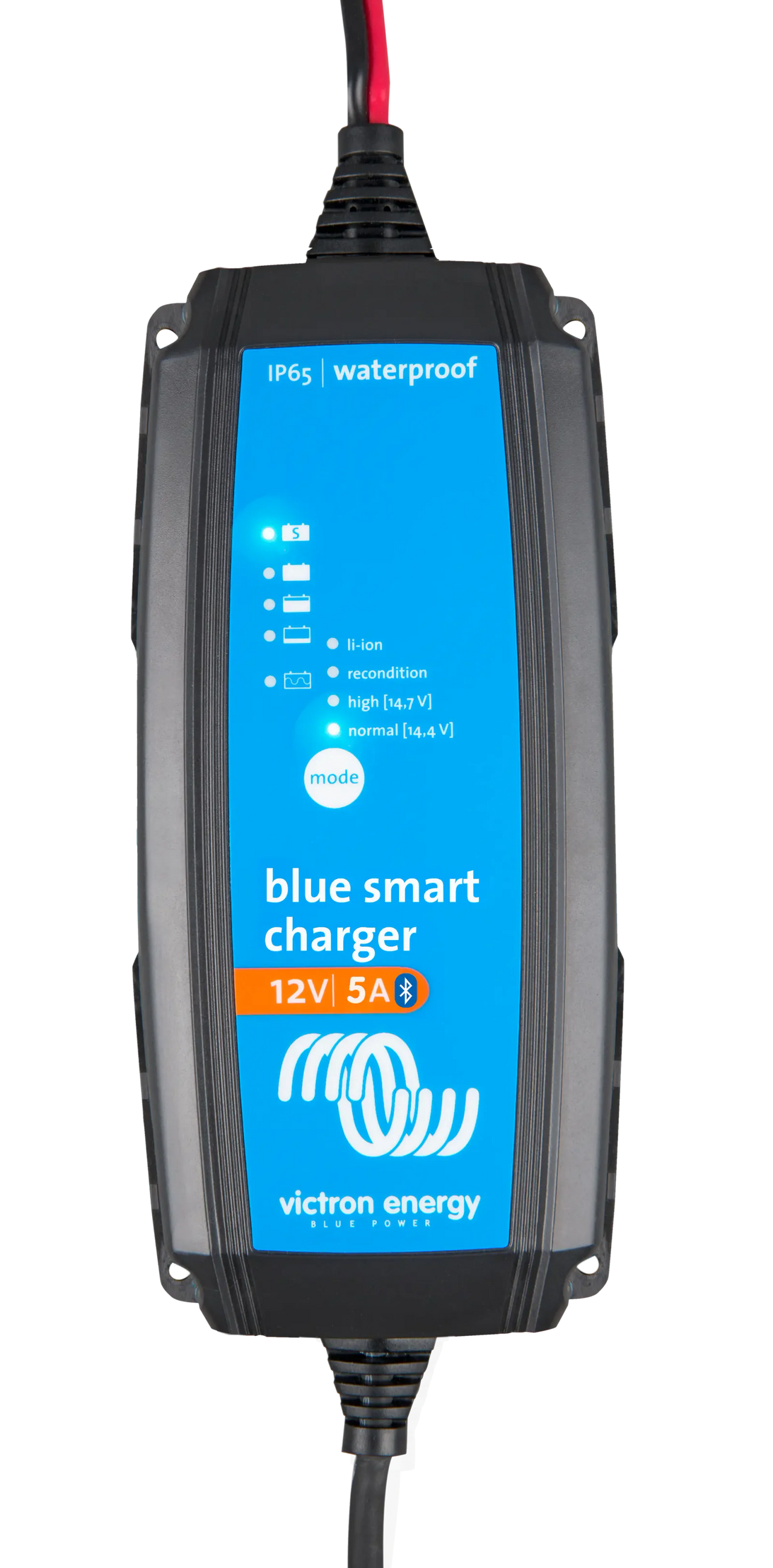
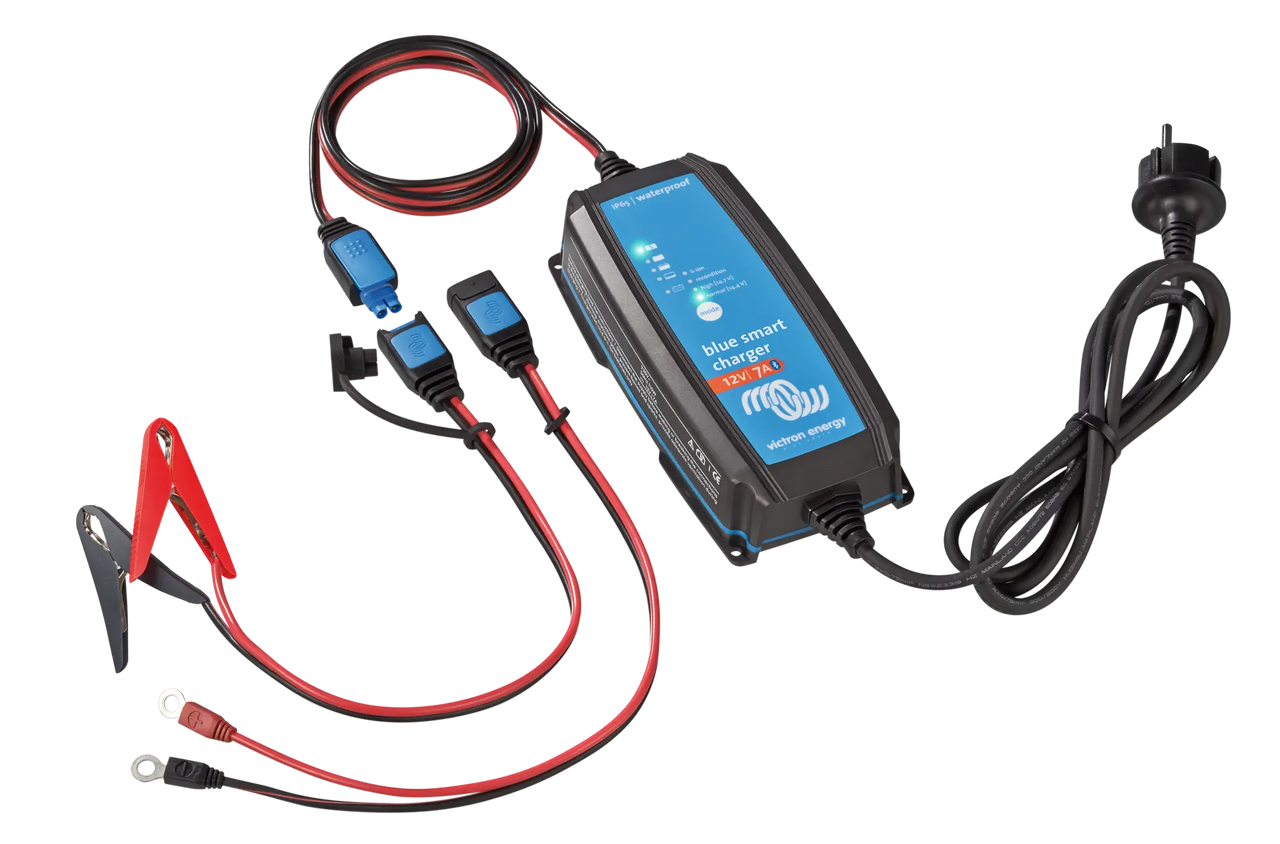
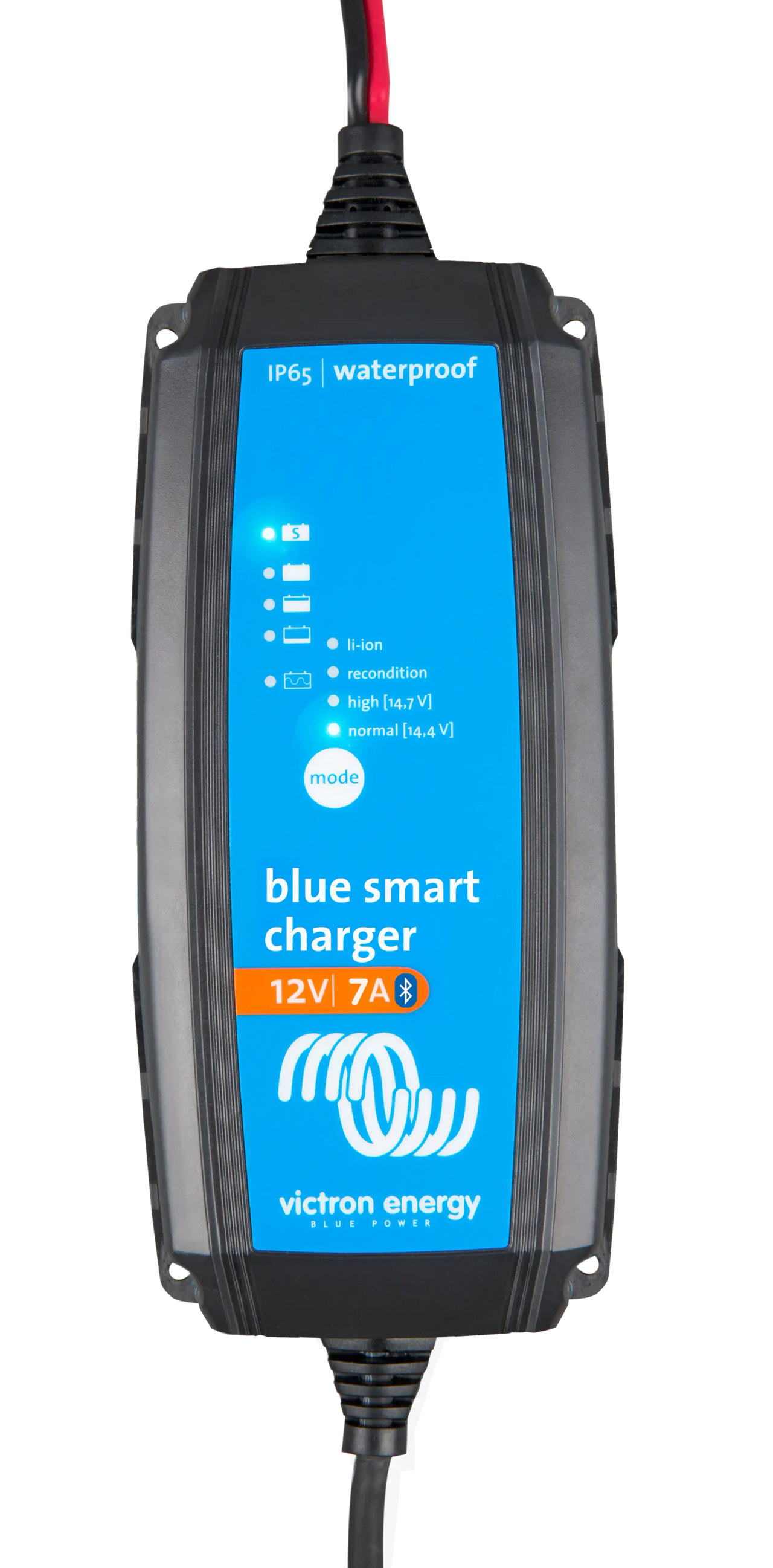
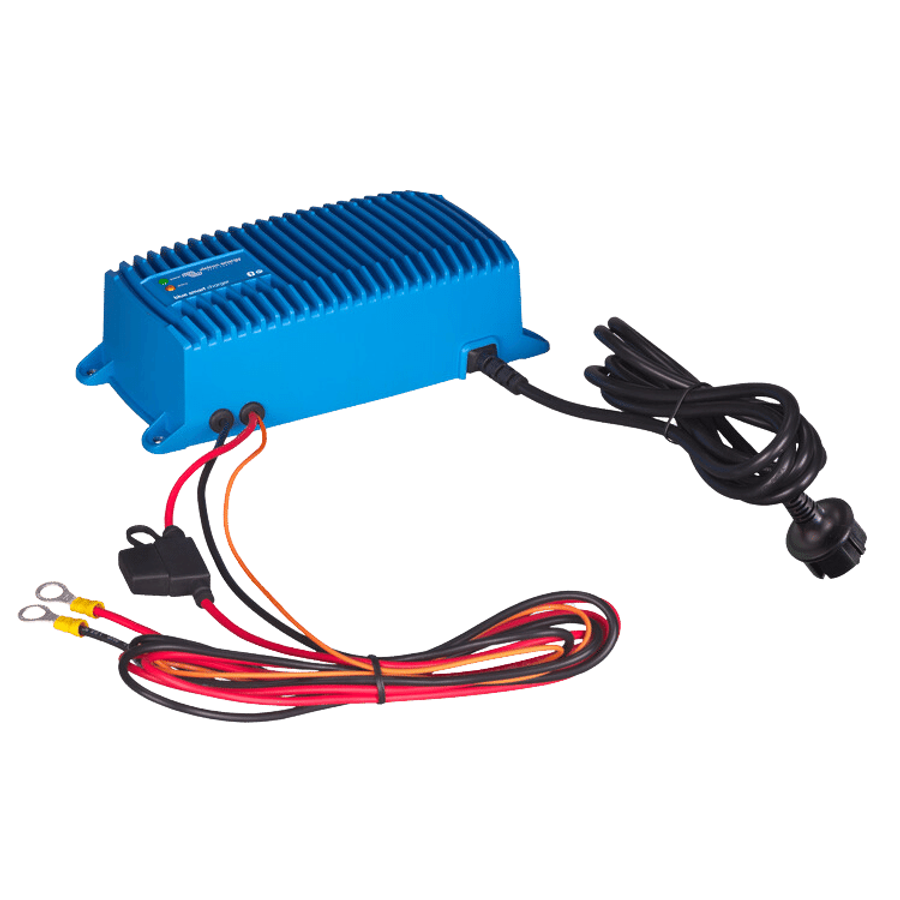
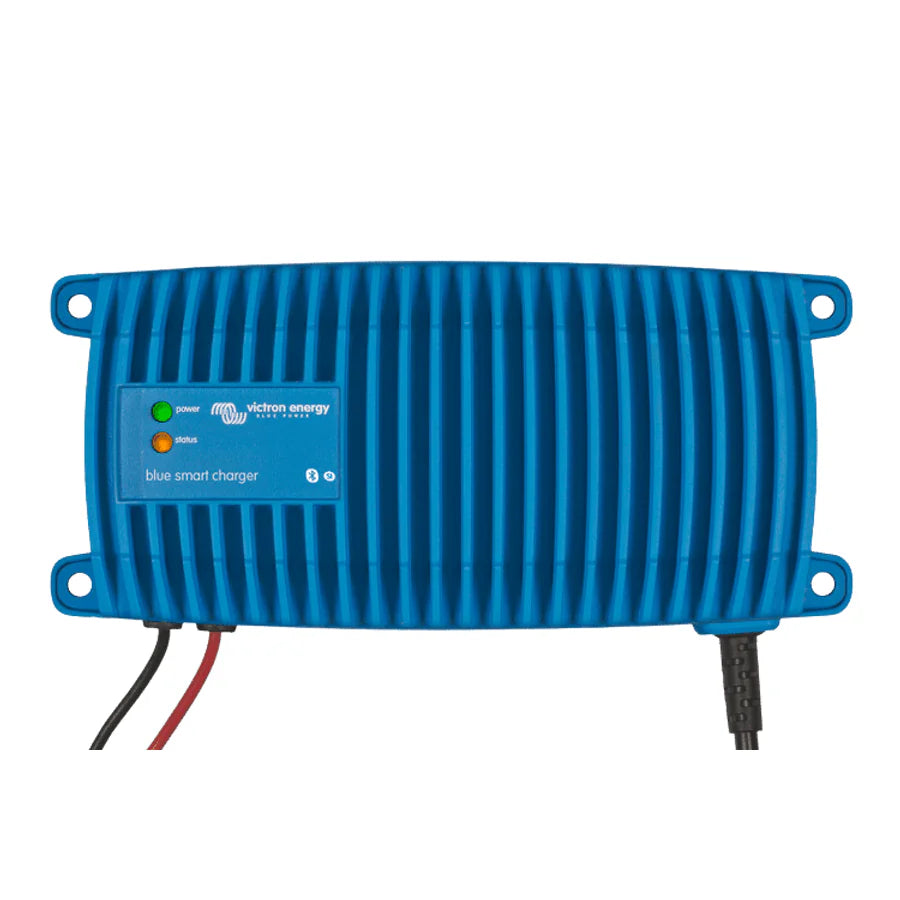
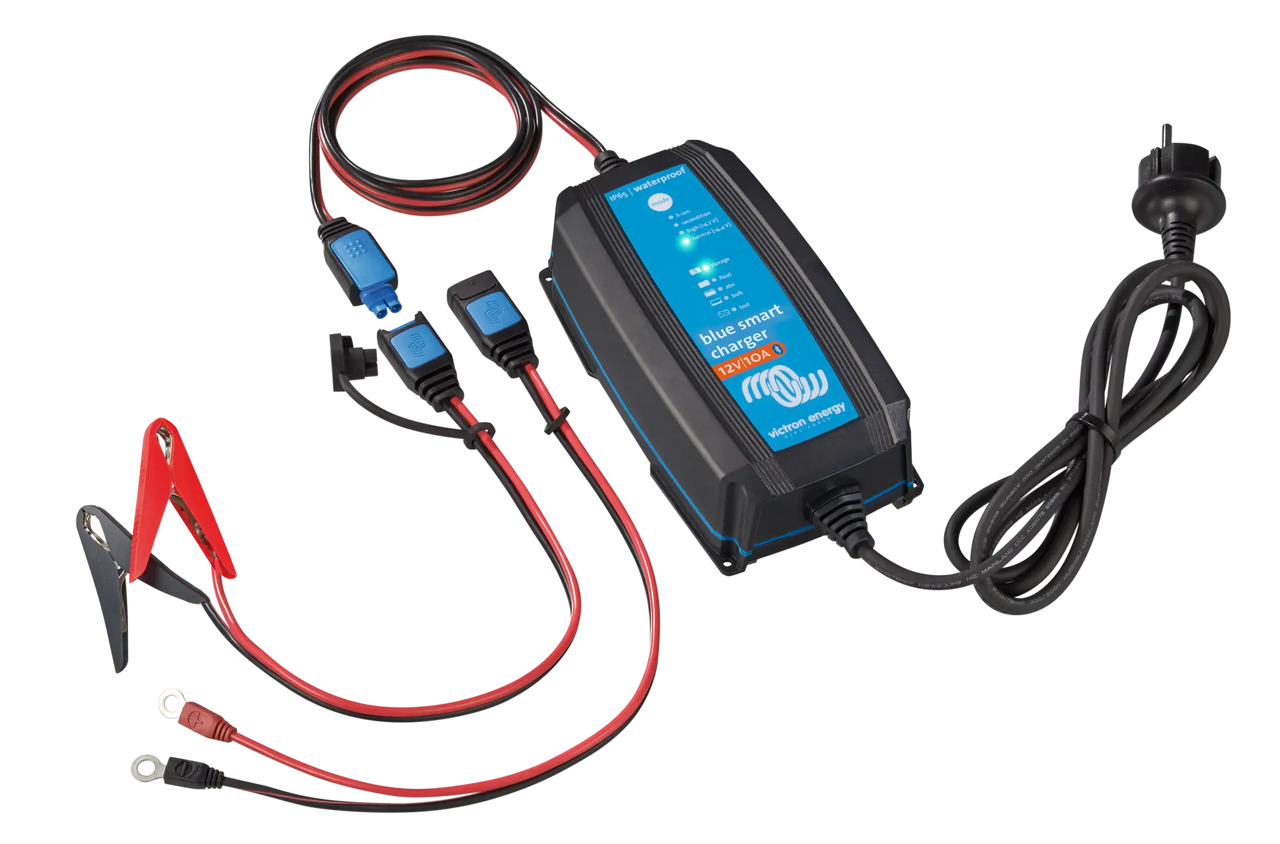
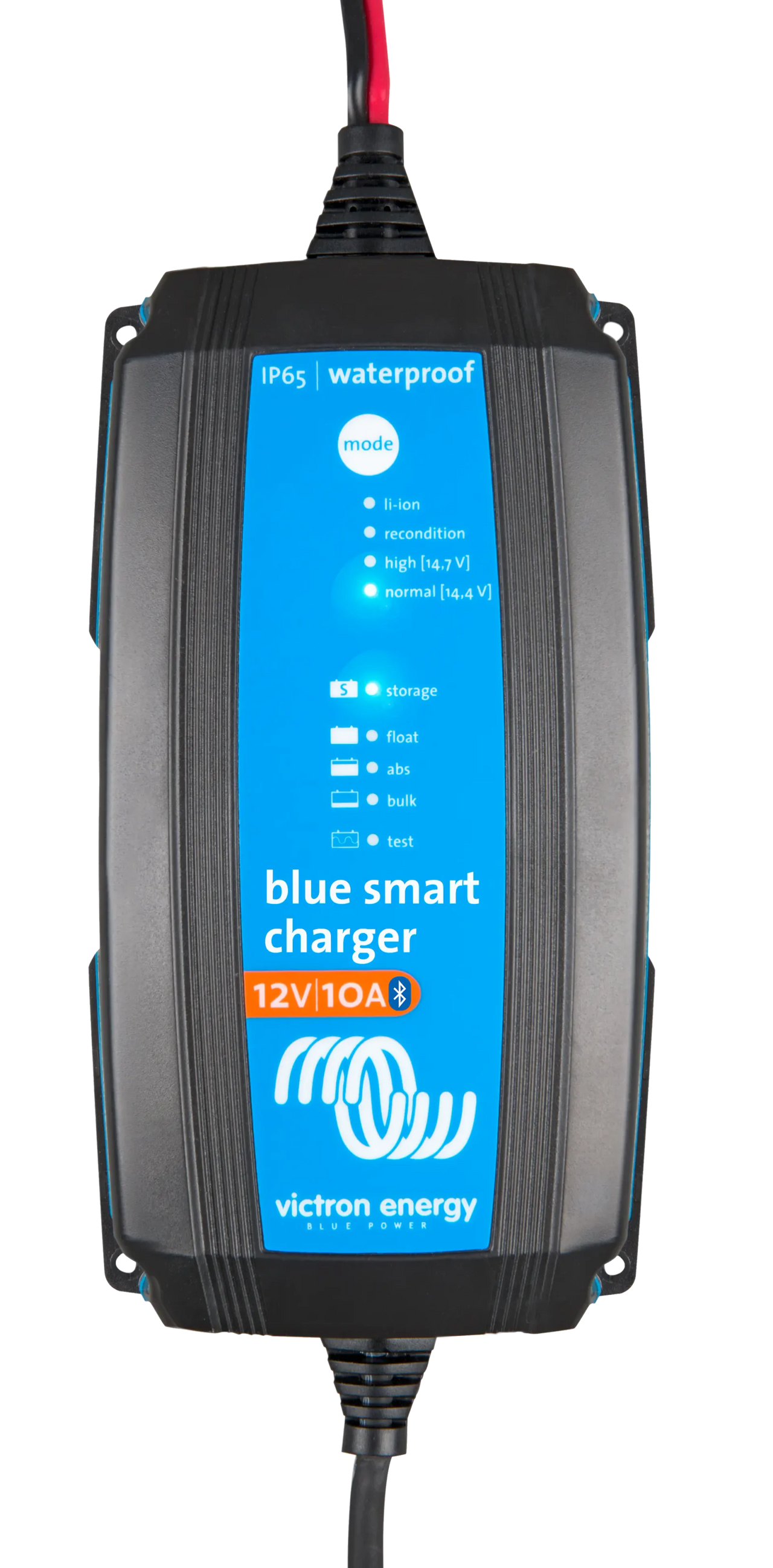
0A to 10A Mains Battery Chargers for Caravans, RVs, Marine & Off-Grid
Keep your auxiliary and starter batteries in peak condition with a dedicated 0–10A mains charger. This range is engineered for smaller capacity banks, seasonal maintenance, and precision charging where a controlled, lower current is preferred. Whether you are looking after a motorcycle battery, a classic car, a deep-cycle AGM in a camper trailer, or a LiFePO4 house bank in a tiny home, these chargers deliver a safe, temperature-compensated charge cycle that helps extend service life.
Every unit in this collection converts 240V AC mains power to a regulated DC output, available in both 12V and 24V nominal configurations. With multi-stage charging profiles, adaptive absorption, and float maintenance, they are suited to permanent connection or periodic top-ups. The compact, often portable form factor makes them practical for workshops, sheds, marinas, and touring kits where space and weight matter.
Why Choose a 0–10A Charger?
Not every battery needs a high-current bulk charge. A 0–10A charger is the right tool when you are working with:
- Smaller capacity batteries: Motorcycle, jet ski, ride-on mower, or auxiliary AGM banks under 100Ah.
- Maintenance charging: Keeping infrequently used batteries at full capacity without overcharging.
- Lithium (LiFePO4) compatibility: Many models include a dedicated lithium profile, so you can charge both lead-acid and lithium batteries from the same unit.
- 24V systems: Trucks, buses, and larger marine setups often run 24V; this range includes 24V 5A and 8A options.
Smart Charging with Victron Blue Smart IP65 & IP67
This collection features the Victron Blue Smart series, known for adaptive charge logic and robust build quality. The IP65 models are splash-proof and suited to indoor or sheltered outdoor use, while the IP67 variants are fully waterproof, making them ideal for marine engine bays, open trailers, and exposed installations.
Built-in Bluetooth on all Blue Smart chargers lets you monitor charge progress, adjust settings, and update firmware via the VictronConnect app. You can tailor absorption voltage, float voltage, and reconditioning cycles to match your exact battery chemistry without needing a separate display or control panel.
Key Features at a Glance
- Multi-stage charging: Bulk, absorption, float, and storage modes protect battery health.
- Adaptive absorption: The charger adjusts absorption time based on depth of discharge, reducing unnecessary gassing.
- Temperature compensation: An internal sensor adjusts charge voltage for ambient conditions (IP65 models).
- Low current mode: Ideal for smaller batteries where a full 10A rate may be too aggressive.
- Recovery function: Attempts to revive deeply discharged batteries that other chargers may reject.
- Silent operation: Fanless design on most models, perfect for overnight charging in living spaces.
Applications & Use Cases
These chargers are a practical choice across a wide range of mobile and stationary setups:
- Caravan & RV maintenance: Keep your house battery topped up while in storage, ready for the next trip.
- Marine & boat: IP67 waterproof chargers handle bilge and deck environments; maintain trolling motor or house banks.
- 4WD & camping: Compact enough to pack in a recovery kit; charge a second battery or portable power pack from a powered site.
- Workshop & shed: Maintain ride-on mower, motorbike, or classic car batteries through the off-season.
- Tiny homes & off-grid cabins: Use as a backup charger when solar input is low, connected to a generator or mains supply.
Choosing the Right Amperage
Selecting the correct current rating helps balance charge speed with battery longevity. As a general guide:
- 1A–4A: Best for very small batteries (1–20Ah), such as motorcycles, alarm systems, or trickle maintenance on larger banks.
- 5A–7A: Suitable for medium-sized deep-cycle batteries (20–70Ah) or maintaining a starter battery in a vehicle that sees infrequent use.
- 8A–10A: Works well for larger auxiliary batteries (70–120Ah) where a faster overnight charge is desired without exceeding recommended charge rates.
For lithium batteries, always check the manufacturer’s recommended charge current. Many LiFePO4 batteries accept up to 0.5C, but a slower charge can still be beneficial for cell balancing and thermal management.
Portable Power & Accessories
These chargers are lightweight and easy to transport. Optional carry cases are available to protect the unit and cables when moving between locations. The included alligator clips and ring terminals give you flexibility for temporary or permanent connection. For a complete power solution, pair your mains charger with a quality deep-cycle battery and, if you are building an off-grid system, consider adding a solar charge controller to harness free energy from the sun.
Frequently Asked Questions
Can I leave a 0–10A charger connected permanently?
Yes. These chargers are designed for permanent connection. Once the battery reaches full charge, they drop to a float or storage mode that maintains the battery without overcharging. This makes them ideal for vehicles or boats that sit idle for weeks or months.
Are these chargers suitable for lithium batteries?
Most models in this range include a dedicated LiFePO4 charge profile. Always confirm the charger settings match your battery’s specifications via the VictronConnect app. The adaptive charge logic and low-voltage recovery can be particularly useful for lithium banks that have entered protection mode.
What is the difference between IP65 and IP67?
IP65 is protected against low-pressure water jets from any direction, making it splash-proof and suitable for sheltered outdoor use. IP67 is rated for temporary immersion in water up to 1 metre, so it can handle rain, wash-downs, and damp marine environments with confidence.
Can I charge a 24V battery bank with these chargers?
Yes, we stock 24V 5A and 24V 8A models specifically for 24V systems. These are commonly used in trucks, buses, and larger marine vessels. Ensure you select the correct voltage model for your battery bank.
Do I need a separate DC-DC charger if I already have a mains charger?
A mains charger is for shore power or generator use, while a DC-DC charger charges your auxiliary battery from the vehicle alternator while driving. They serve different purposes and are often used together in a complete mobile power system. Browse our DC-DC chargers if you need on-the-go charging.
Need help sizing a charger for your setup? Contact our Australian-based support team for personalised advice. With over a decade of experience, we can help you match the right charger to your battery type and usage pattern. Get in touch or explore our buyer’s guides for detailed comparisons.