 Solar Panels
 Solar Controllers
 Batteries
 Inverters
 Mains Chargers
 DC-DC Chargers
 Cables/Accessories
 Power Converters
 Monitoring
 Kits
Kits






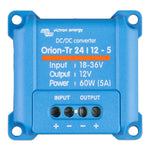
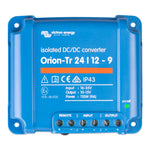
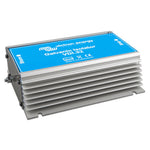
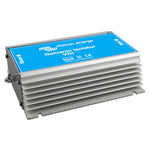







0 - 30A DC-DC Chargers
Compact DC-DC chargers for reliable auxiliary battery charging up to 30A
0-30A DC-DC Battery Chargers for Auxiliary Battery Systems
0-30A DC-DC chargers are purpose-built for controlled auxiliary battery charging in caravans, RVs, 4WD canopies, boats, trucks, tiny homes and off-grid electrical systems. This collection focuses on compact 15A, 18A, 20A, 30A and similar output chargers designed to take power from an alternator, starter battery or DC source and deliver a stable, battery-appropriate charge to your secondary battery bank.
For touring and mobile power systems, correct charging is critical. A DC to DC battery charger manages voltage and current so your auxiliary battery receives a suitable charge profile rather than relying on fluctuating alternator output. This is especially important for lithium LiFePO4, AGM and lead-acid batteries, modern smart alternators, long cable runs and multi-voltage systems where simple split charging may not provide the control required.
Victron Orion-Tr Smart and Enerdrive DC2DC/MPPT Options
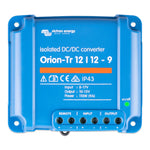
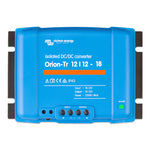
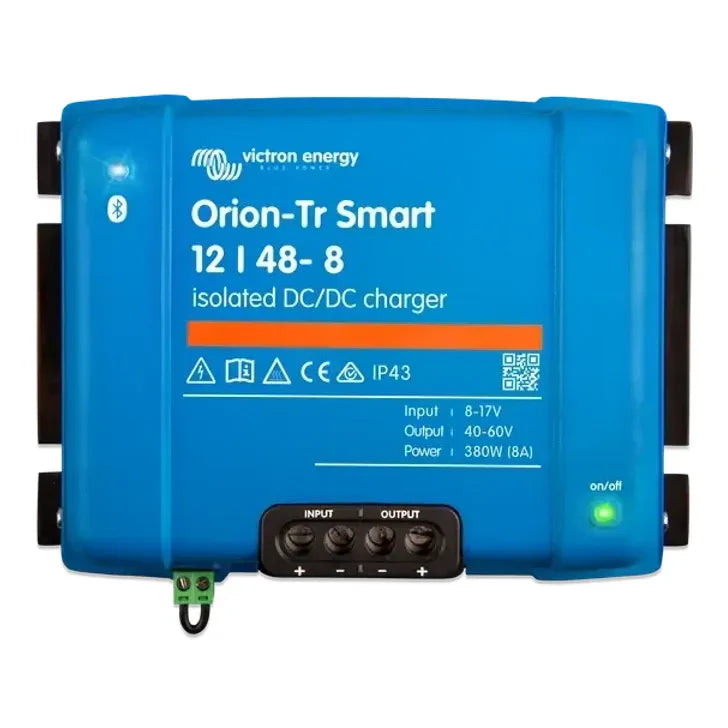
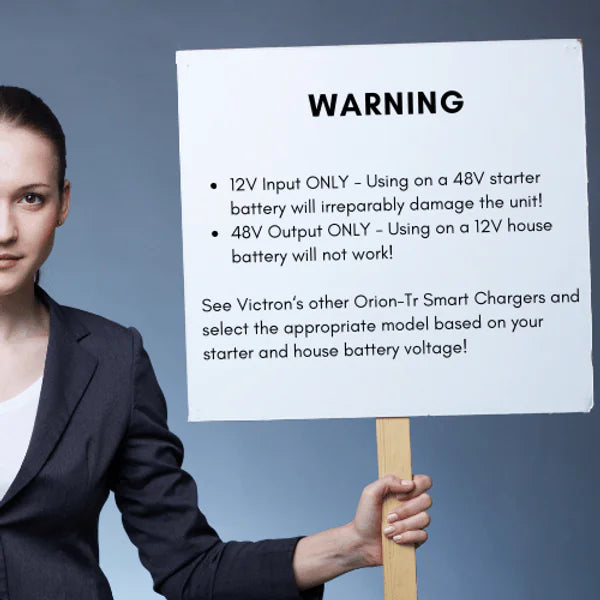
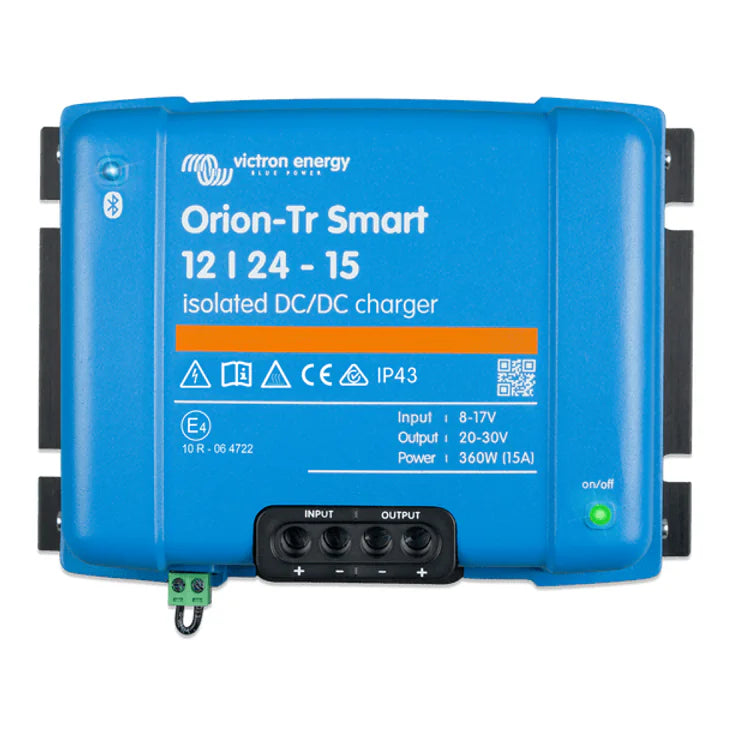
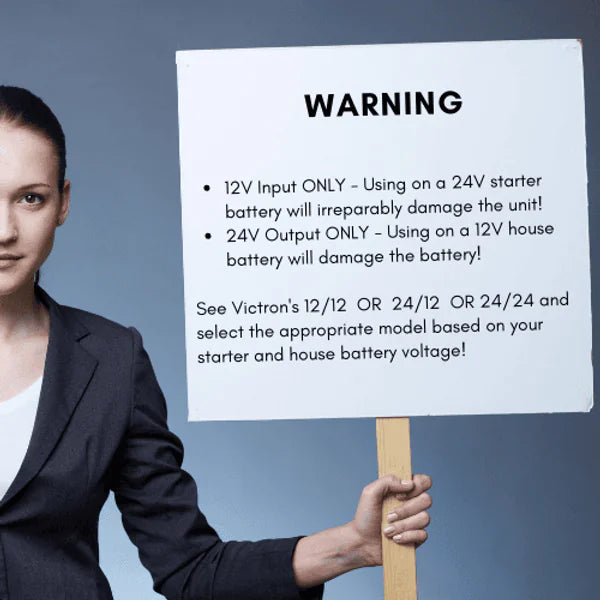
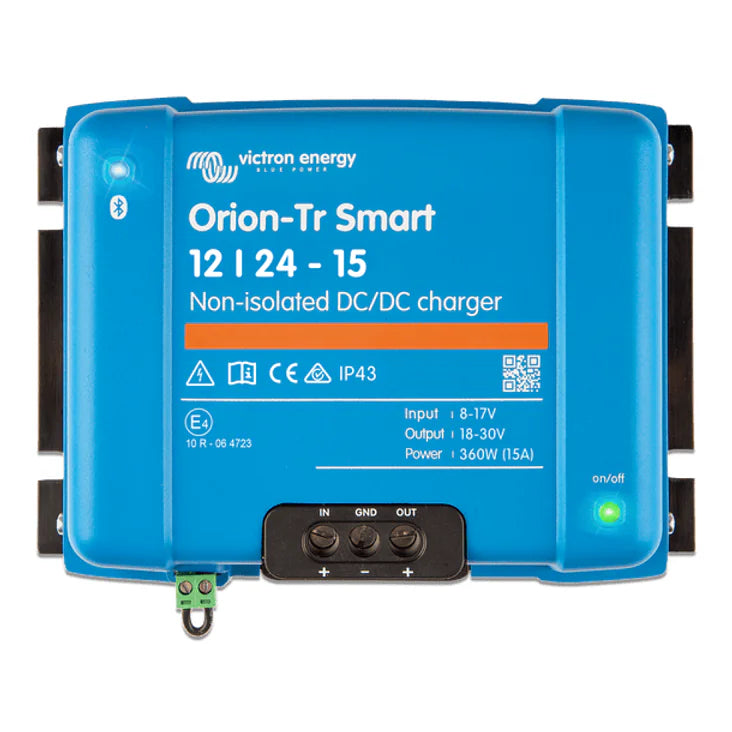
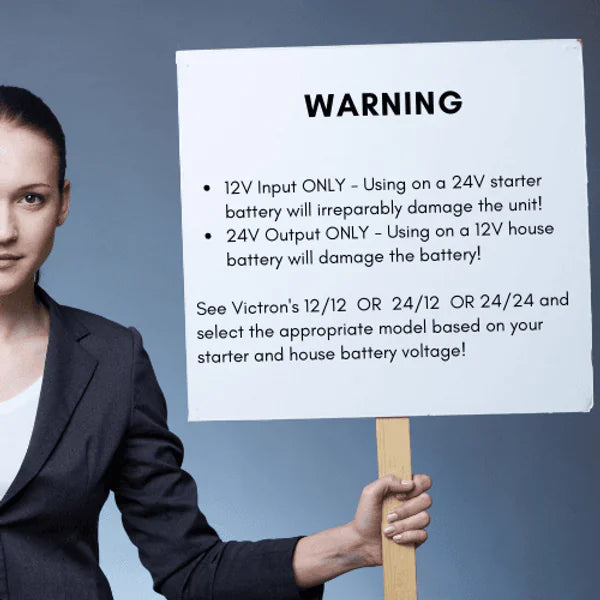
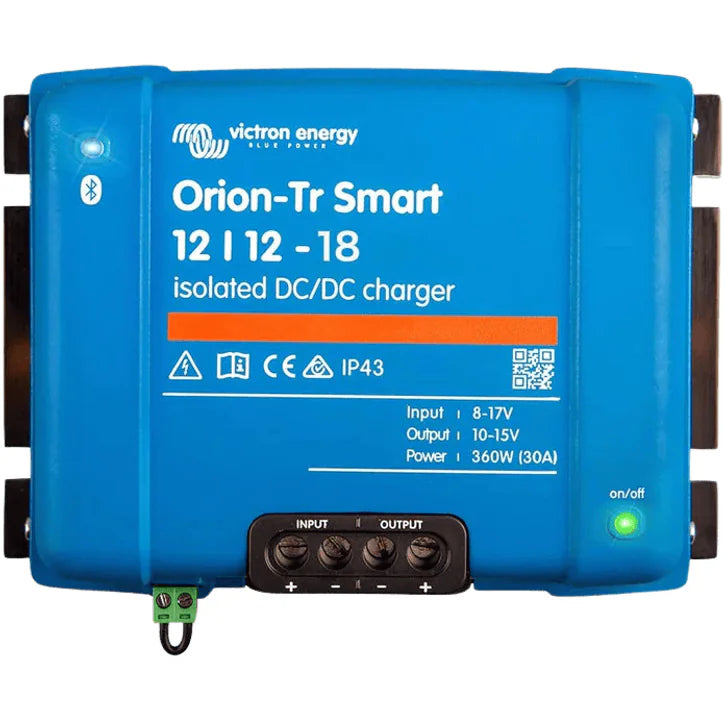
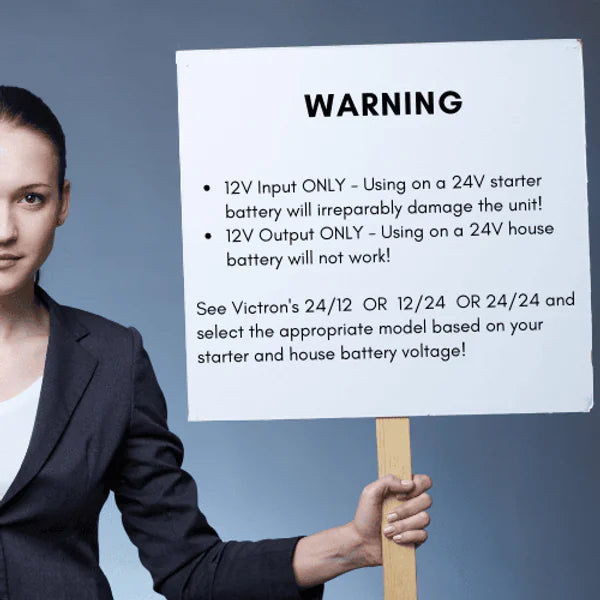
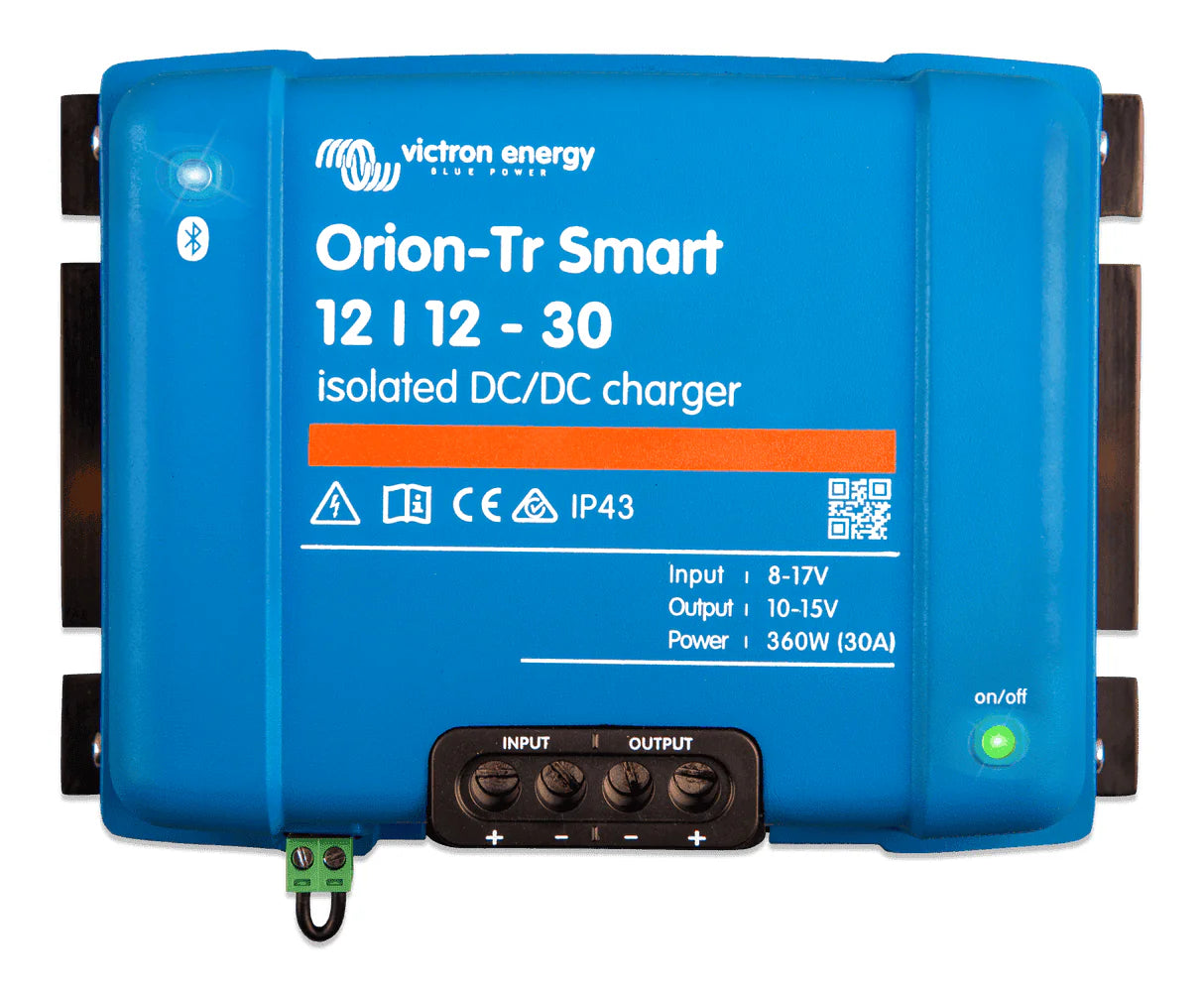
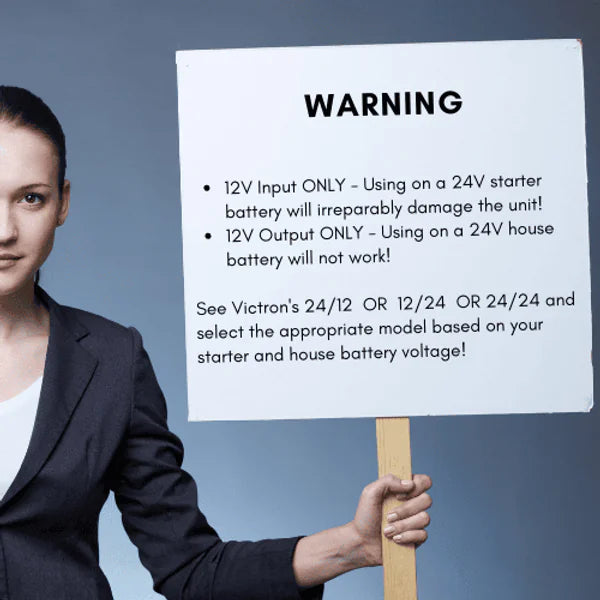
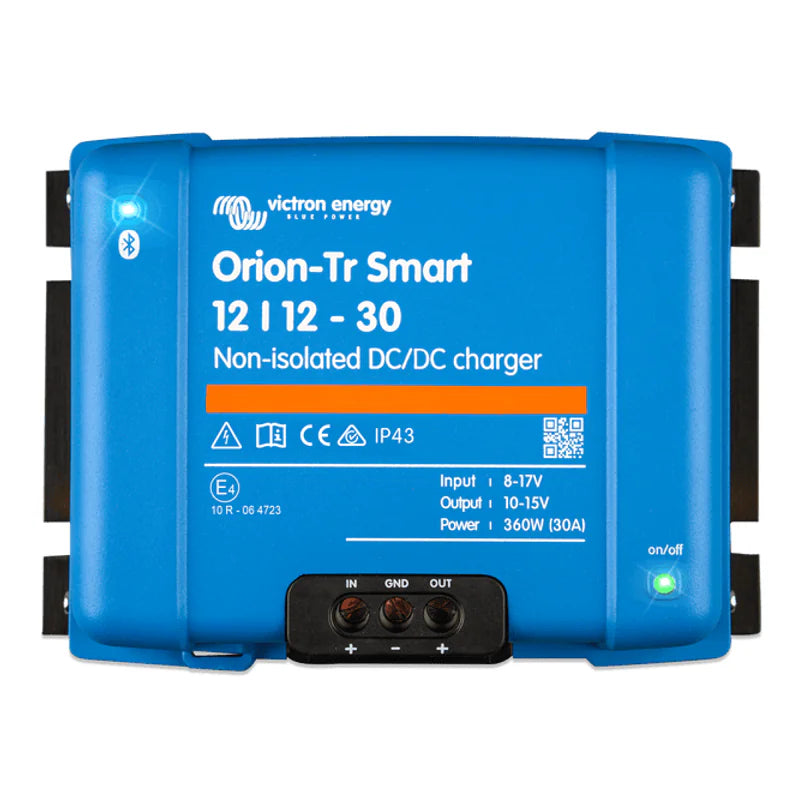
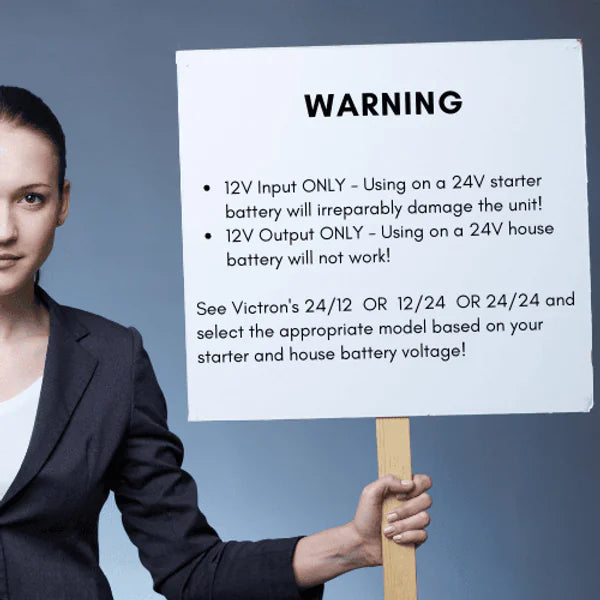
Our 0-30A charger selection includes Victron Energy Orion-Tr Smart DC-DC chargers in isolated and non-isolated versions, plus selected Enerdrive ePower DC2DC/MPPT models. Victron Orion-Tr Smart units are well suited to dedicated DC to DC conversion, including 12V to 12V, 12V to 24V, 24V to 12V, 24V to 24V and 48V system applications. Enerdrive DC2DC/MPPT chargers are suited to installations that require alternator charging with integrated solar input in the same device.
If you are searching for a Victron DC to DC charger with MPPT, it is important to note that the Orion-Tr Smart chargers in this collection are DC input chargers rather than solar MPPT regulators. For systems where solar charging is required, choose a compatible DC2DC/MPPT option where listed, or pair your DC-DC charger with a correctly sized solar controller elsewhere in your system.
How to Choose a 15A, 20A or 30A DC-DC Charger
The right charger size depends on your battery capacity, alternator capability, cable length, duty cycle and daily energy use. A 15 amp DC-DC charger can suit smaller auxiliary batteries, compact canopies, marine electronics or modest fridge and lighting loads. A 20 amp DC-DC charger provides a useful step up for regular touring systems. A 30A DC-DC charger is commonly selected for caravans, RVs and 4WD setups where faster replenishment is required without moving into higher-current charging hardware.
- 15A to 18A chargers: compact charging for smaller auxiliary batteries and space-limited installs
- 20A chargers: balanced output for medium touring, marine and service vehicle systems
- 30A chargers: stronger charge rates for larger auxiliary banks and higher daily consumption
- Isolated models: useful where input and output grounds need separation, including many marine and commercial installations
- Non-isolated models: suitable where common negative systems are appropriate and installation space is a priority
Applications Across Caravan, Marine, 4WD and Commercial Systems
These chargers are designed for real-world mobile and off-grid applications. In a caravan or RV, a 30 amp DC-DC charger can help recharge a house battery while driving between campsites. In a 4WD canopy, a compact 15A or 18A charger can maintain a fridge battery, lighting system or communications load. In marine installations, isolated DC-DC chargers can assist with noise reduction and electrical separation. For trucks, service vehicles and industrial equipment, 24V and 48V conversion options support mixed-voltage electrical architecture.
Installation quality has a direct impact on performance and safety. Use correctly rated cabling, suitably placed fuses at battery sources, secure terminations and the correct charge profile for the battery chemistry. For lithium batteries, confirm charger settings, battery management system limits and alternator capacity before selecting the final model.
Why Buy Your DC-DC Charger From Solar 4 RVs?
Solar 4 RVs is an Australian family business with a decade of experience supporting caravan, marine, 4WD and off-grid power systems. We focus on high quality products from brands we sell and understand, backed by practical before and after support and fast dispatch across Australia.
Choose the charger that matches your voltage, current and installation requirements, then order with confidence knowing our technical team can help you select supporting cabling, fusing and charging components for a reliable auxiliary power system.
Frequently Asked Questions
What size DC-DC charger do I need for an auxiliary battery?
For smaller battery banks and lighter loads, a 15A or 18A DC-DC charger may be suitable. For regular touring with fridges, lighting, pumps and device charging, 20A to 30A is often more appropriate. Always check your battery manufacturer’s recommended charge current and your alternator’s available capacity.
Is a 30A DC-DC charger suitable for a caravan or 4WD?
Yes, a 30A DC-DC charger is a popular choice for caravans, RVs and 4WD auxiliary battery systems where faster charging is required while driving. Correct cable sizing, fusing and ventilation are essential for dependable operation.
What is the difference between isolated and non-isolated DC-DC chargers?
An isolated DC-DC charger electrically separates the input and output circuits, which can be useful in marine, commercial and mixed-ground systems. A non-isolated charger shares a common negative and can be suitable for many vehicle installations where that wiring design is appropriate.
Can I install two DC-DC chargers in parallel?
In some systems, two chargers can be installed in parallel to increase charging capacity. Each charger should be wired with its own correctly rated cabling and fusing back to the busbar or battery system, and the overall charge current must remain within battery and alternator limits.
Do I need fuses at both ends of a DC-DC charger installation?
In most vehicle and marine installations, fusing is required near each battery or energy source to protect against short circuits and overcurrent events. Fuse ratings and placement should suit the charger current, cable size and system design.