Solar
 Solar Panels
 Solar Charge Controllers
 Mounting
 Solar Accessories
 Solar Kits
 Batteries
 Batteries
 Battery Management
 Battery Boxes
 Battery Kits
 Chargers
 Mains Chargers
 DC-DC Chargers
 Alternators & Regulators
 Charger Kits
 Inverters
 Inverters
 Inverter Kits
 Electrical
 Circuit Protection
 Connectors, Busbars & Terminals
 Switch Panels & Accessories
 240V Equipment
 EV Chargers
 Cables
 Cables
 Pre-made Leads
 Cable Management
 Converters
 DC-DC Converters
 Transformers
 Monitoring
 Monitoring
 Monitoring Kits
 Kits
 Pre-Wired Boards
 4x4/Canopy Power Systems
 Solar Kits
 Inverter Kits
 Charger Kits
 Battery Kits
 Monitoring Kits
 By Application
 Caravan, Camper & RV
 Camping & Portable
 Marine/ Boat
 4x4/4WD & Off-Road
 Off-Grid Homes & Sheds
 Golf Carts
 Portable 12V Car Chargers
 Portable 24V Bus/Truck Chargers
 By Brand

































 Pre-Wired Boards
 4x4/Canopy Power Systems
 Solar Kits
 Inverter Kits
 Charger Kits
 Battery Kits
 Monitoring Kits









































Glass-free construction
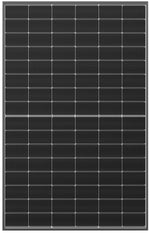
eArc modules use crystalline-silicon cells with composite front materials instead of conventional module glass.

Sunman eArc · glass-free solar
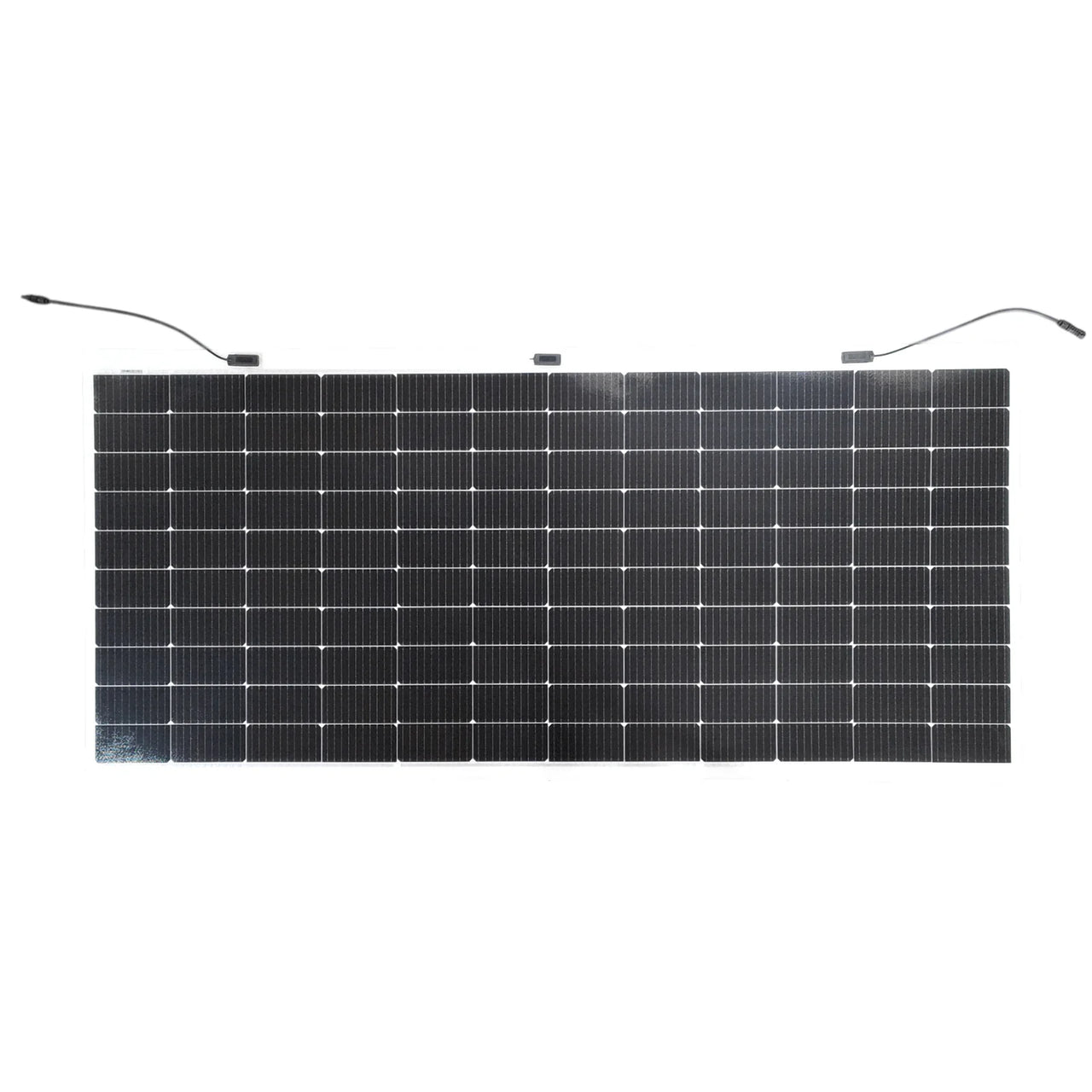
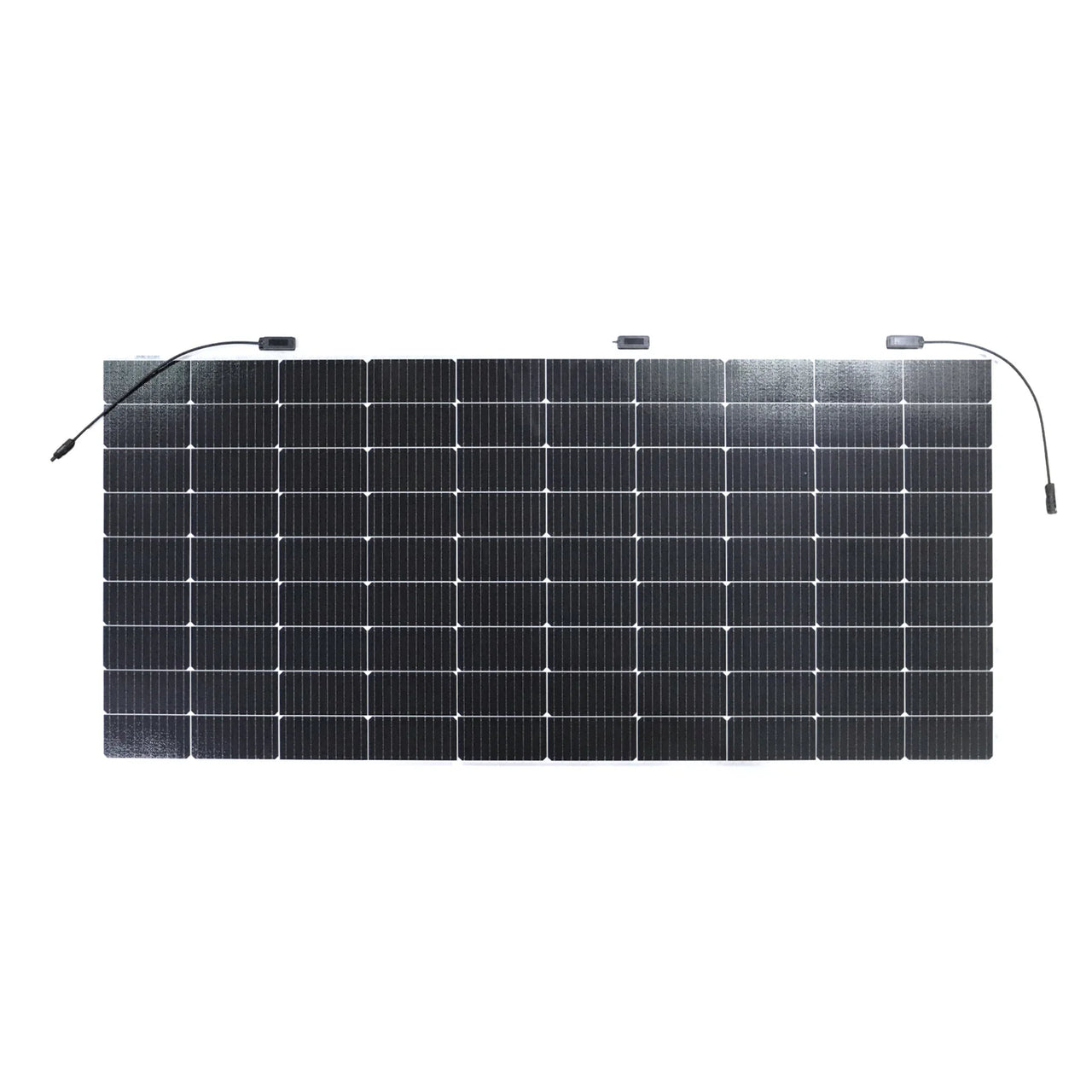
Sunman eArc lightweight solar panels
Compare glass-free, lightweight crystalline-silicon panels for caravans, motorhomes, boats, vehicles and other installations where conventional framed glass modules may not suit the available surface or weight.
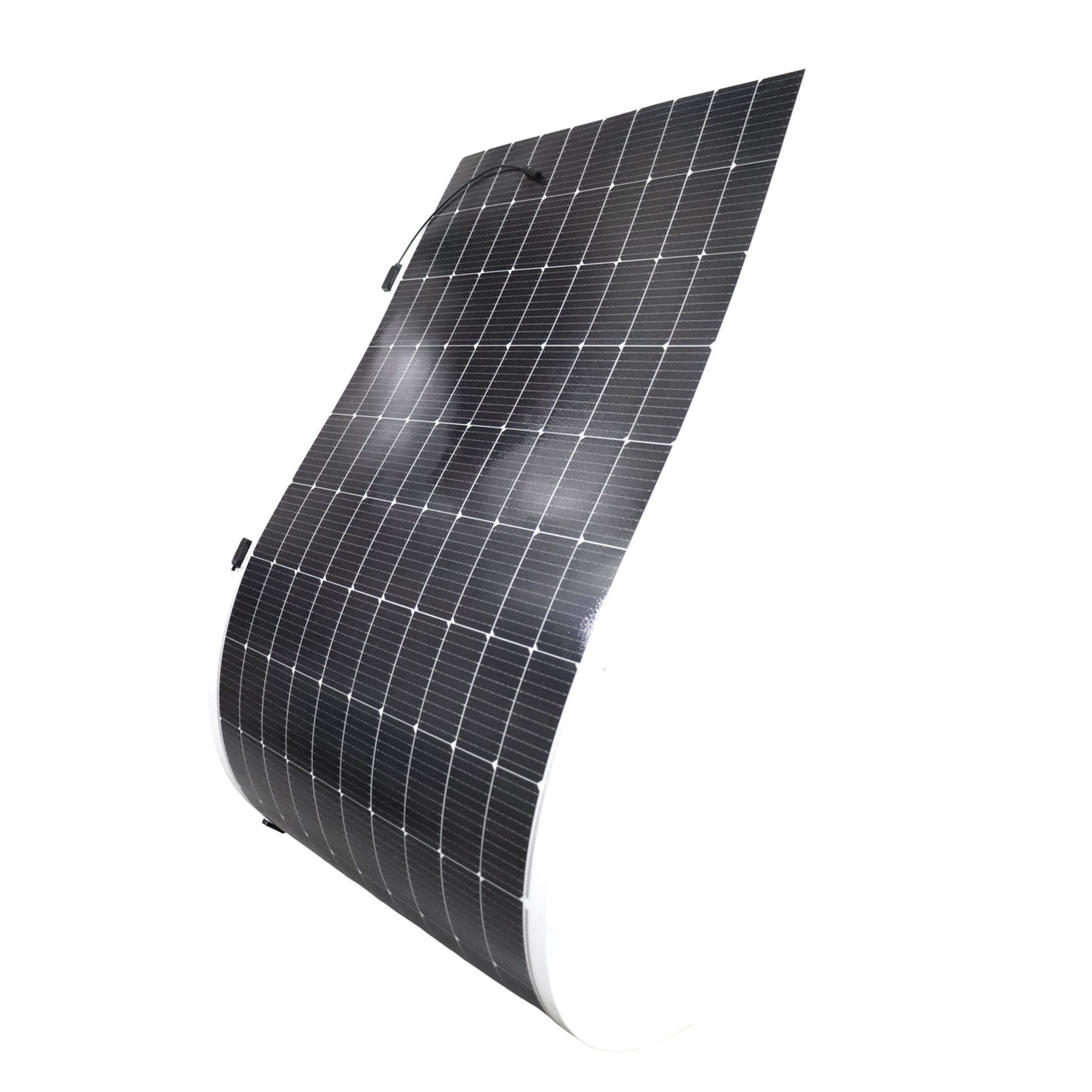
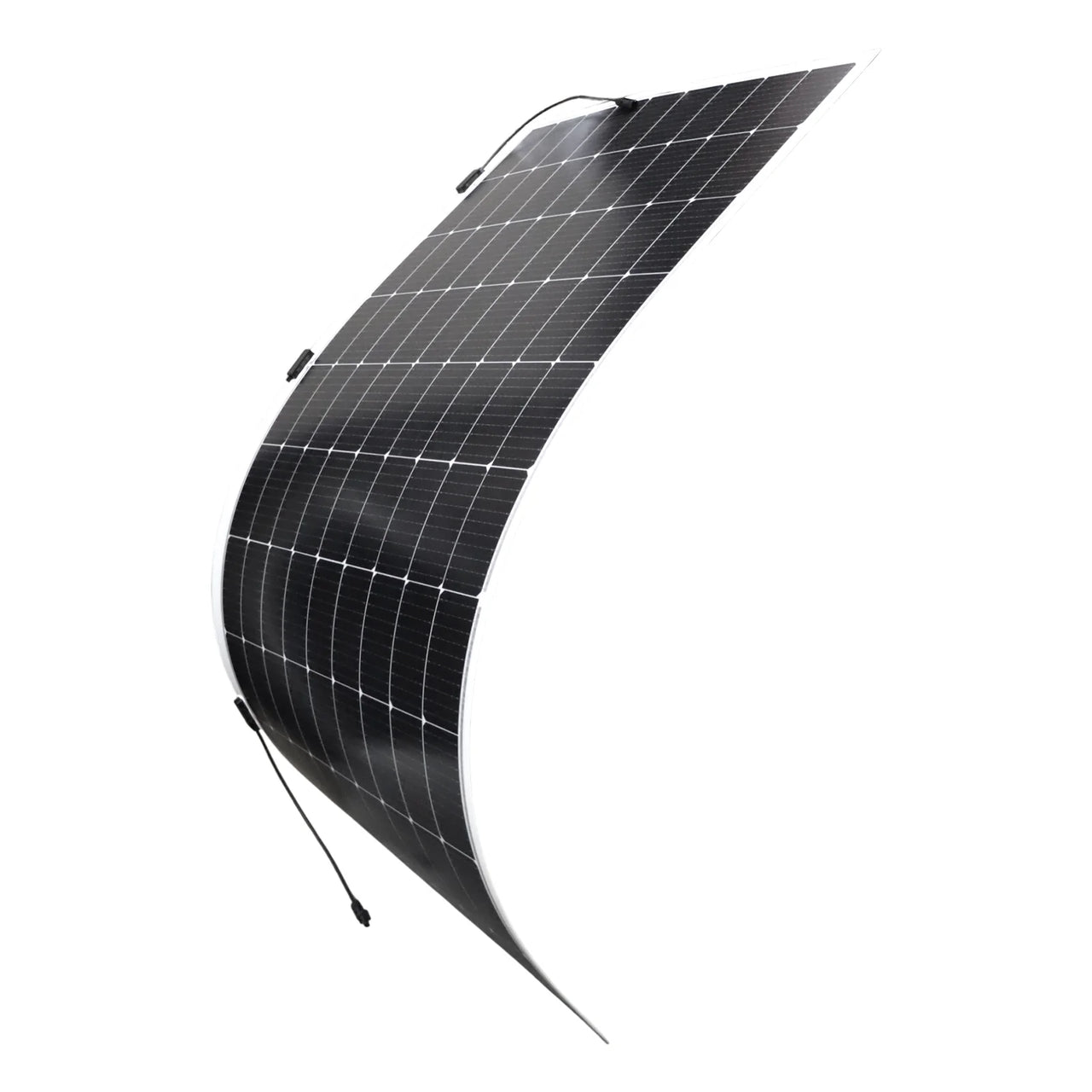
Lightweight, glass-free Sunman eArc flexible solar panels for caravans, boats and curved roofs.
Why eArc is different
Sunman replaces conventional module glass with proprietary lightweight composite materials. Exact weight, thickness, flexibility, electrical ratings and mounting limits vary by model.
eArc modules use crystalline-silicon cells with composite front materials instead of conventional module glass.
Compare exact dimensions and mass where roof loading, panel height or handling are important to the installation.
Surface support, permitted bend, adhesive method, cable exit and thermal requirements must follow the selected panel instructions.
Complete current range
Use the catalogue filters for wattage, dimensions, availability and other verified attributes. Confirm the exact datasheet, mounting instructions, controller compatibility and application warranty before installation.
Customer stories
Before final selection
Available area and nameplate watts are only the start. Check panel construction, electrical data, surface support, cable exit, mounting method and controller limits together.
Start with loads, seasonal conditions and battery voltage before choosing the available panel area and wattage.
Open the solar sizing toolCheck surface preparation, support, adhesive method, cable routing and heat-management considerations before installation.
Read the mounting guideUse the exact product datasheet and installation instructions for electrical, mechanical and warranty requirements.
Visit Sunman EnergySystem check
Send the details below and our off-grid team can help narrow the suitable Sunman model and surrounding solar components.
Selected solar panel guides
Six practical guides covering sizing, construction, specifications, cell technology, panel angle and array wiring.

If you are choosing a portable solar panel for camping, the easiest way to get it right is to size it from your daily...
Read guide
Discover how to choose the best solar panels for your caravan. Learn about high-efficiency, durable, cost-effective, easy to install, and flexible solar panels from...
Read guide
Navigate the complex world of solar panel specifications with our comprehensive guide. Learn about STC, NOCT, and more to choose the right solar panel...
Read guide
Looking for the perfect solar panel for your caravan? Our guide covers the different types of solar panels available, including monocrystalline, polycrystalline, thin-film /...
Read guide
Many travellers setting up solar on a caravan, RV, 4WD, or motorhome ask whether tilting roof panels is worth the effort. The idea is...
Read guide
SOLAR 4 RVS OFF-GRID, EXTRA LOW VOLTAGE SOLAR PANEL WIRING GUIDE Please read this document in full before commencing installation. To maximise the...
Read guideAbout this range
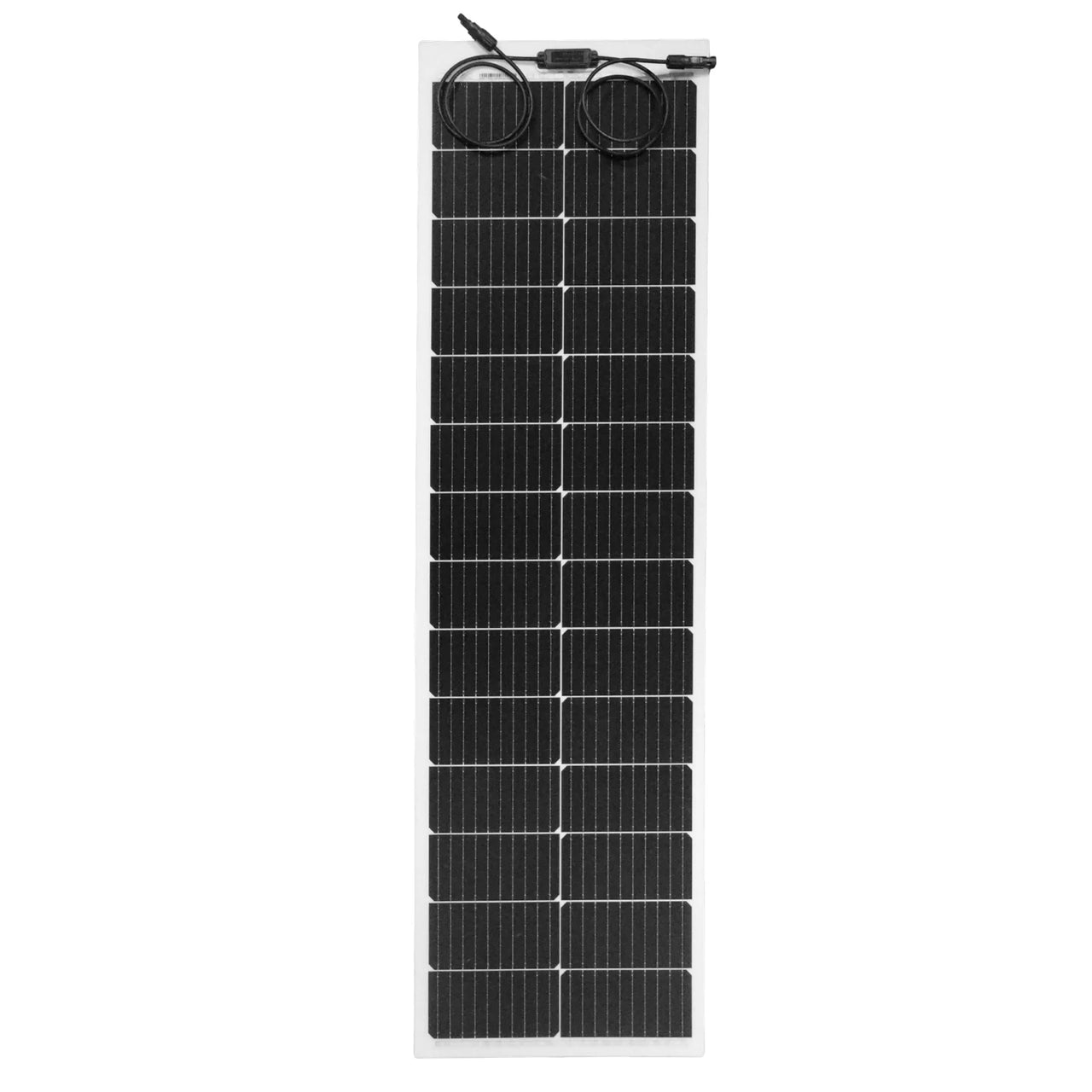
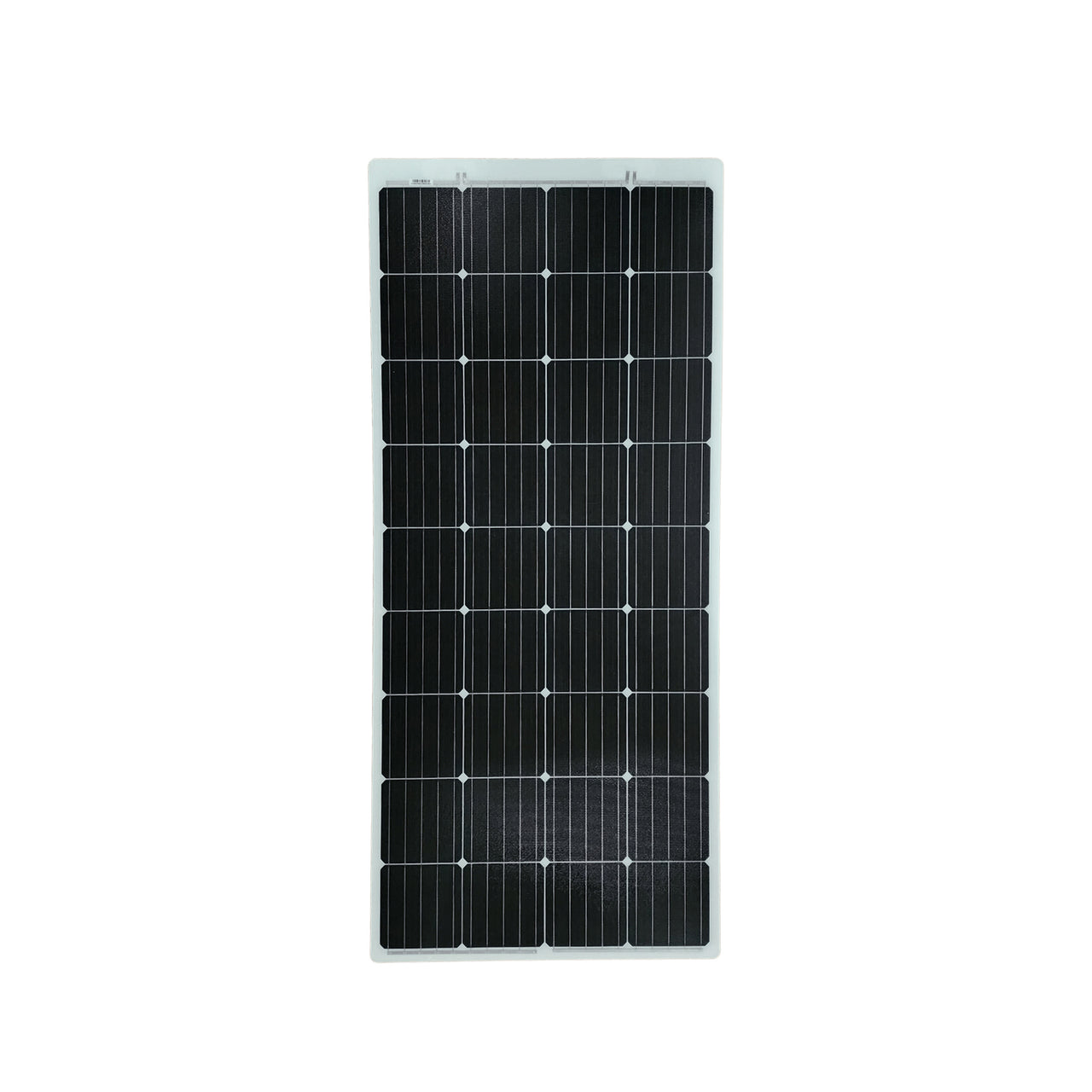
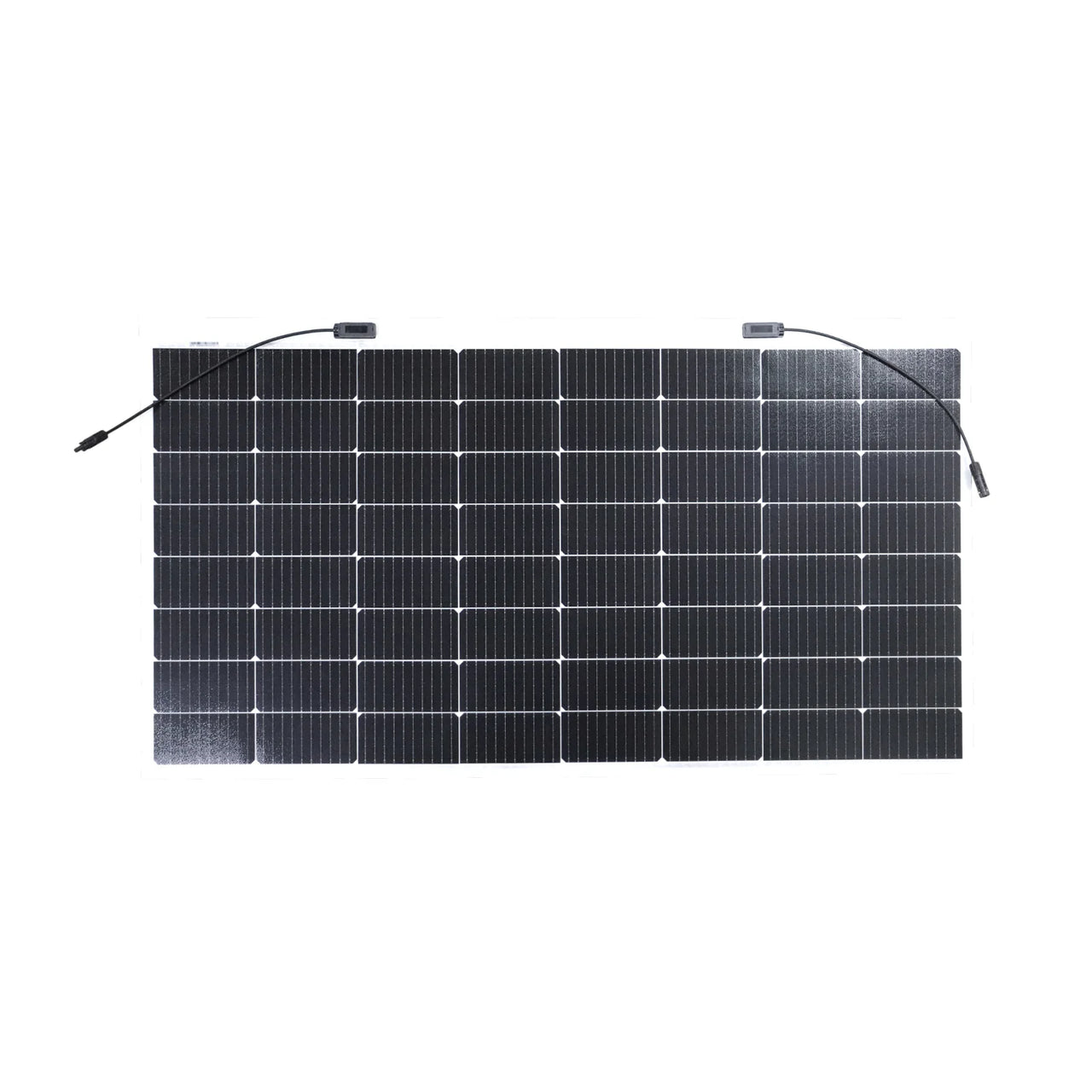
Sunman eArc solar panels replace heavy tempered glass with glass fibre-reinforced composite polymers, similar in concept to the materials used in aircraft windows. The result is a thin, light panel that suits roofs and vehicles where a rigid glass panel is too heavy or will not conform to the surface. The range runs from a compact 9V 85W module up to the 430W eArc flexible solar panel. That spread lets you size a system for a small van roof, a large motorhome or a lightweight building installation.
As featured in ABC News: Sunman is part-owned by the Clean Energy Finance Corporation

Development of the eArc composite structure was supported by $3.3M in funding from the Australian Renewable Energy Agency (ARENA). The aim was durability comparable to conventional framed panels at a fraction of the weight. Key specifications include:

Start by matching wattage to your available roof space and daily energy use. The 430W, 320W and 230W eArc flexible solar panels suit larger motorhomes, buses and building roofs. The 175W and 200W Black Square models, both with the junction box underneath, keep cabling tidy and protected on caravan and boat roofs. The 100W Narrow panel fits slim gaps between hatches and roof racks, and is also offered as a kit with a Victron 20A BlueSolar PWM charge controller for a simple starter setup. The 9V 85W panel suits layouts that call for a lower-voltage module.
Proven projects include the world's first solar-powered train in Byron Bay. Another is the Sydney Maritime Museum heritage building, where 812 panels (235kW) were installed on a roof that could not carry glass-framed solar panels.
eArc panels are available frameless for curved surfaces or with a 5.6mm black anodised aluminium frame. The framed version offers some flex and helps create an air gap for cooling, but it is not bendable. Choose the junction box underneath versions when you want cable entry through the roof. Before fitting, confirm your charge controller's voltage and current limits match the panel and your 12V or 24V battery bank. For adhesive selection, surface preparation and cable routing, follow our flexible and lightweight solar panel mounting guide.
Upgrade to tough, lightweight solar that protects your payload and roof structure. Compare the Sunman eArc sizes below and order the panel that fits your build today.
Technical buying questions
These are selection principles. The current datasheet, installation manual, warranty and controller instructions for the exact products remain the authority.
Sunman uses crystalline-silicon solar cells with proprietary lightweight composite materials in place of the conventional front glass used by many rigid modules. Construction, surface layers, weight, thickness and ratings still vary by exact eArc model, so use its current datasheet.
No. A lightweight or flexible description does not permit unlimited bending. Check the exact panel minimum bend radius, permitted bending direction, support requirements and installation method. Do not crease, twist or force a panel to match a surface outside its instructions.
Only with a mounting method approved for the exact panel and surface. Confirm structural support, surface preparation, adhesive or mechanical attachment, thermal movement, drainage, cable routing, junction-box clearance and future removal. Follow both the panel and adhesive-system instructions.
No. Panel voltage is not the same as battery voltage. Use Voc, Vmp, Isc and Imp for the exact panel and proposed series or parallel array. Some compact Sunman models have atypical operating voltages and may require a particular controller or array arrangement.
The junction-box position changes the required cable route, mounting clearance, roof penetration and access. An underside box needs a suitable recess or clearance without loading the box or cable, while a top box remains visible and must be positioned and protected according to the panel instructions.
Do not assume a lightweight panel is walkable. Concentrated foot pressure, sharp objects and unsupported areas can damage cells or laminates. Keep panels out of traffic paths unless the exact product and completed supported installation explicitly allow the expected load.
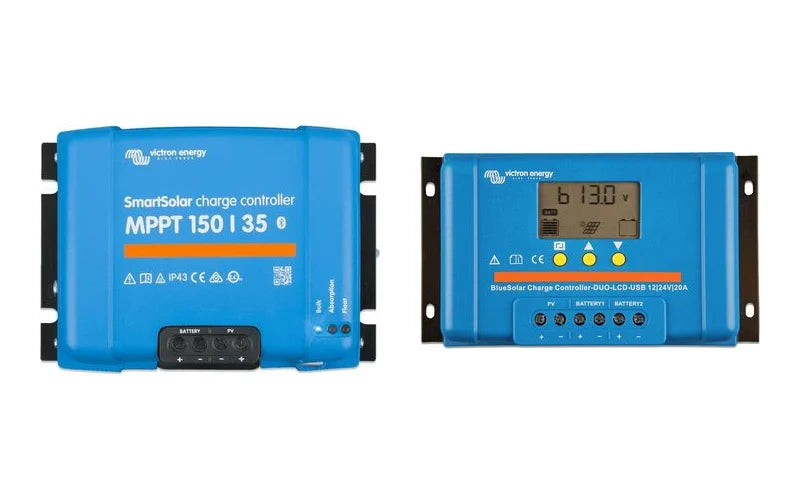
Calculate the complete array Voc, Vmp, Isc, Imp and power, including cold-temperature voltage and the chosen series or parallel layout. Keep those values within the controller limits and match its battery output, charge current and profile to the battery. Check every relevant datasheet and manual.
Powering Your Adventure