 Solar
 Solar Panels
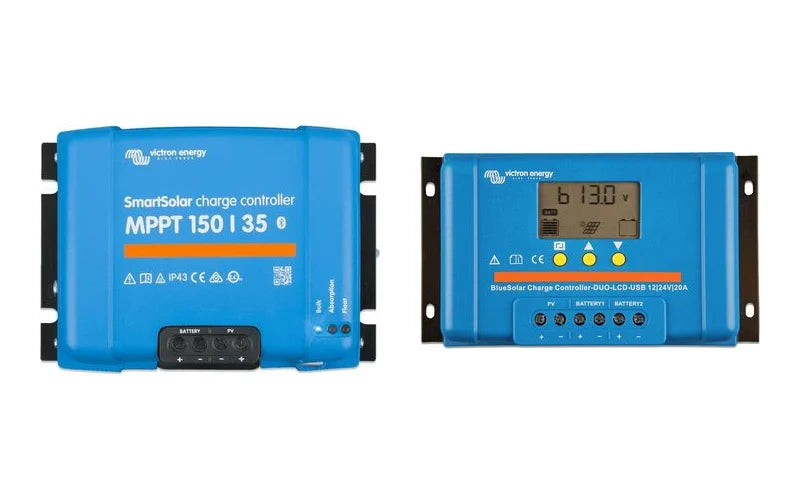
 Solar Charge Controllers
 Mounting
 Solar Accessories
 Solar Kits
 Batteries
 Batteries
 Battery Management
 Battery Boxes
 Battery Kits
 Chargers
 Mains Chargers
 DC-DC Chargers
 Alternators & Regulators
 Charger Kits
 Inverters
 Inverters
 Inverter Kits
 Electrical
 Circuit Protection
 Connectors, Busbars & Terminals
 Switch Panels & Accessories
 240V Equipment
 EV Chargers
 Cables
 Cables
 Pre-made Leads
 Cable Management
 Converters
 DC-DC Converters
 Transformers
 Monitoring
 Monitoring
 Monitoring Kits
 Kits
 Pre-Wired Boards
 4x4/Canopy Power Systems
 Solar Kits
 Inverter Kits
 Charger Kits
 Battery Kits
 Monitoring Kits
 By Application
 Caravan, Camper & RV
 Camping & Portable
 Marine/ Boat
 4x4/4WD & Off-Road
 Off-Grid Homes & Sheds
 Golf Carts
 Portable 12V Car Chargers
 Portable 24V Bus/Truck Chargers
 By Brand

































 Pre-Wired Boards
 4x4/Canopy Power Systems
 Solar Kits
 Inverter Kits
 Charger Kits
 Battery Kits
 Monitoring Kits









































Trouble Shooting / Fault Finding Problems on Caravan Power Systems

As an avid traveller and caravaner, it's important to have a basic understanding of how to troubleshoot common electrical problems that can arise while on the road. Whether it's an issue with your RV or caravan's batteries, solar panels, or electrical system, a little knowledge can go a long way in ensuring a smooth and safe trip.
Essential tools that may be needed:
- Basic hand tools
- Spanners and Socket Set
- Screw drivers
- Drill / Driver
- Pliers
- Side Cutters
- Multimeter with DC Voltage Measurement
- Ammeter for DC current measurement (10A ammeter may be built into multimeter)
Here are some of the most common electrical problems that RV owners and caravaners encounter, along with tips on how to troubleshoot each issue.
Problem 1: Dead or Flat Batteries
One of the most common electrical issues caravaners face is dead batteries. This can be caused by a variety of reasons, including leaving lights on, running high-power appliances, or simply not using the RV or caravan frequently enough to keep the batteries charged.
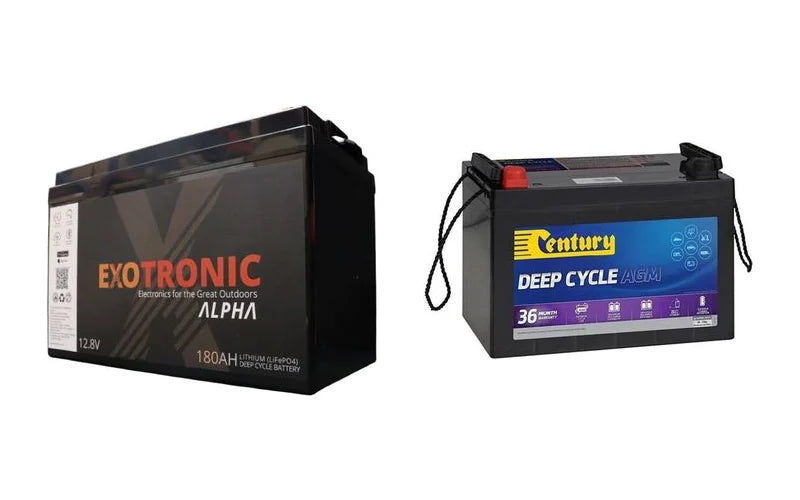
To troubleshoot dead batteries, first check the battery level using a multimeter. Anything below 10V on lead-acid batteries can permanently reduce the capacity and cycle life of the battery, you can try charging it using a battery charger or by driving your RV or caravan. If that doesn't work, you may need to replace the batteries.
If a lithium battery, assuming the battery hasn’t been “dead” for an extended period, you can usually wake them up by pressing the “wake-up” button on the battery, or failing that connecting a higher voltage source to the battery. Some chargers have this “black-start” feature built in. Others you may need to manually set them to power supply mode. Alternatively, you can connect jumper cables to your car starter battery (no longer than 5 seconds). Always follow the battery manufacturer’s instructions.
Problem 2: Solar Panels or Solar Controller Not Charging
Another common electrical issue is a problem with your RV or caravan's solar panels. This can include issues with the solar panel itself, the wiring, or the charge controller.
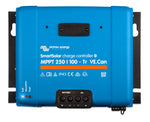
To troubleshoot solar panel issues, start by checking the wiring for any signs of damage or loose connections. If everything looks fine, check the charge controller to see if it's functioning properly. Ensure nothing is covering the solar panels.
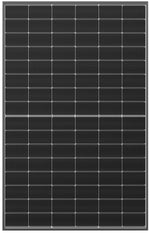
If nothing obvious, measure the voltage at the solar controller’s PV input. With the array disconnected from the controller (open the PV isolator if one is fitted), you should read close to the array’s open-circuit voltage (Voc): typically around 20–24V for “12V” panels wired in parallel, or the sum of the panel Voc ratings for panels wired in series. If the voltage is close to that, the panels and wiring are likely OK.
To check further, measure the short-circuit current with a DC clamp meter on one PV lead while the positive and negative leads are briefly shorted together. Make and break the short with a suitably rated DC isolator or circuit breaker rather than by plugging or unplugging connectors, because DC arcs can damage connectors—especially on higher-voltage series arrays—and do not leave panels short-circuited in the sun. In good sun the reading should approach the array’s rated Isc (the sum of the Isc ratings of the panels wired in parallel); it will be lower in weaker light. A reading far below that points to a panel or wiring fault.
If not working, repeat both tests at the panels. If the panels test fine, the wiring from the controller to the solar panels has failed. For step-by-step help, see our guides to testing a solar panel’s output with a multimeter and caravan solar panel failures.
Problem 3: Battery Not Charging from Mains Power (240V)
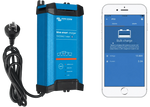
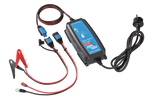
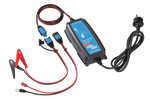
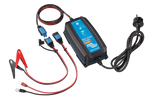
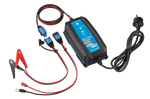
When you connect to mains, you should see current beginning to charge the battery, if not, ensure the caravan RCD is on, the mains charger is plugged in to the correct 240V socket and turned on. If still no charge, ensure the fuse is not blown and the socket outlet works with another device. Also check the fuse or circuit breaker between the charger and the battery. If the battery is lithium, check whether its BMS has stopped charging—for example, many LiFePO4 batteries block charging when the cells are below about 0°C.
Problem 4: Battery Not Charging from the Tow Vehicle or Van Starter Battery
Once the towing vehicle has been running for a few minutes, rev the engine for another minute and have a helper check that the house battery is receiving charge. If no, check the Anderson connection between the towing vehicle and caravan.
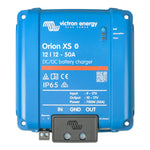
If there is a DC-DC charger, check if it is operating, check all the fusing between the two. Measure the voltage at the input of the DC-DC charger and ensure the voltage is close to the starter battery voltage. If there is a large difference in voltage, the cable size is too small, or there is a high resistance in the cable. Many DC-DC chargers only start charging when they detect that the engine is running; with a smart (variable-voltage) alternator this often requires the ignition or D+ signal wire to be connected, so check that wire as well. Otherwise the DC-DC charger may need programming or replacing.
Problem 5: Fuses, Circuit Breakers and Wiring Faults
From time to time, you may encounter problems with your RV or caravan's electrical system. This can include issues with the electrical wiring, the fuses, or the electrical boxes.
To troubleshoot electrical system problems, start by checking the fuses and circuit breakers. If one is blown, take note of the circuit, i.e. if the fridge circuit is blowing the fuse, then inspect and test the fridge cables, if the cables are OK, the fault is likely in the fridge itself, such as its compressor or control electronics.
While RV and caravan electrical problems can be frustrating, they can range from simple, to very difficult to fix even by a professional. Either way by knowing a few basic troubleshooting tips, you can likely fix some common problems. But if all else fails and you are not confident, please call the installer of the equipment for advice.
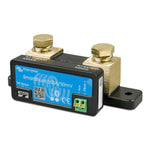
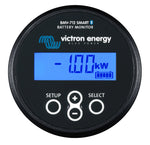
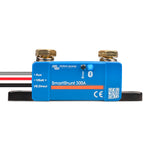
Our Recommendation: Fit a Shunt Battery Monitor
Our final recommendation is that you use a shunt battery monitor for many reasons:
- It acts as an ammeter to see the current going in and out of your battery
- It will show the State of Charge (SoC) of your batteries
- It will show the battery voltage
- You can see the charger currents going into the battery so fault finding is easier
- It reduces the risk of failed batteries; it will alarm when the battery is low or out of voltage ranges


