 Solar Panels
 Solar Controllers
 Batteries
 Inverters
 Mains Chargers
 DC-DC Chargers
 Cables/Accessories
 Power Converters
 Monitoring
 Kits
Kits












1001-2000W Inverters
1001-2000W Pure Sine Wave Inverters for Caravans, RVs & Off-Grid
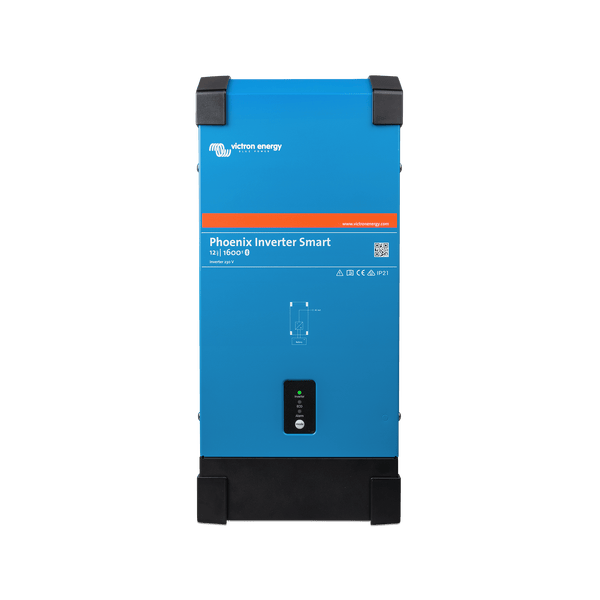
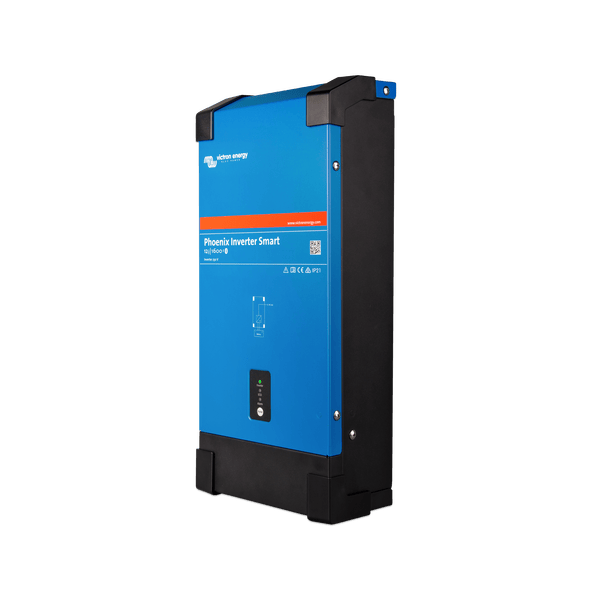
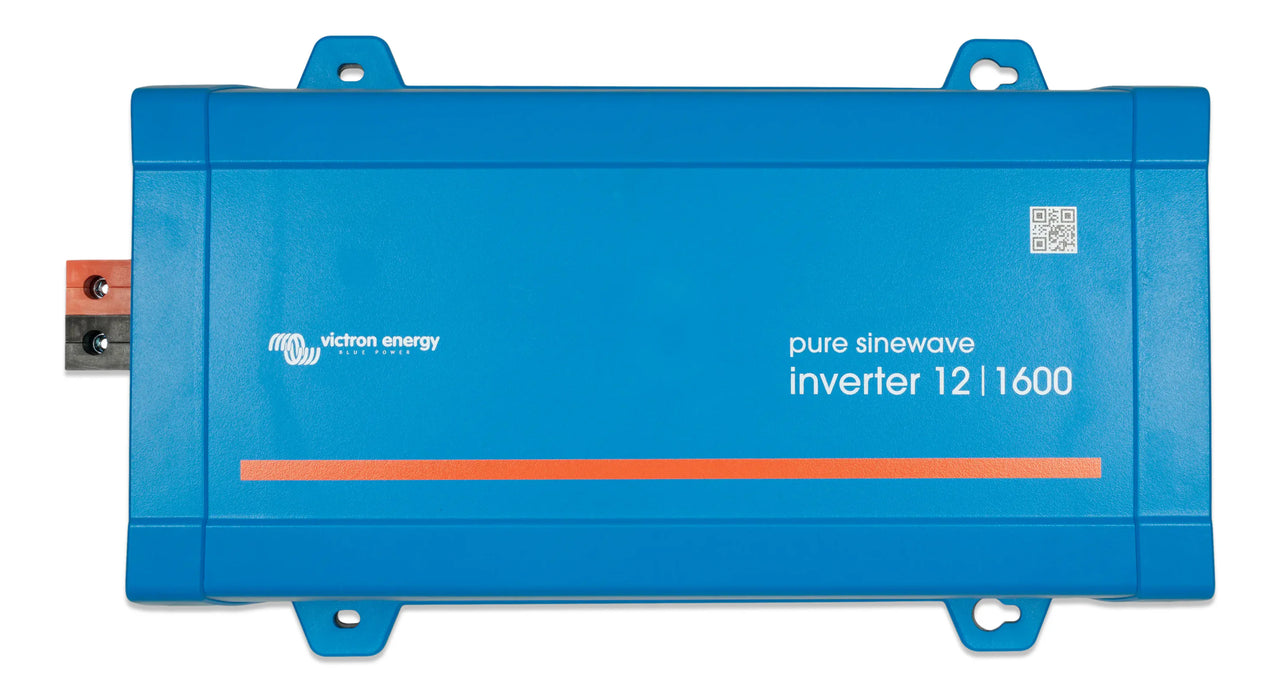
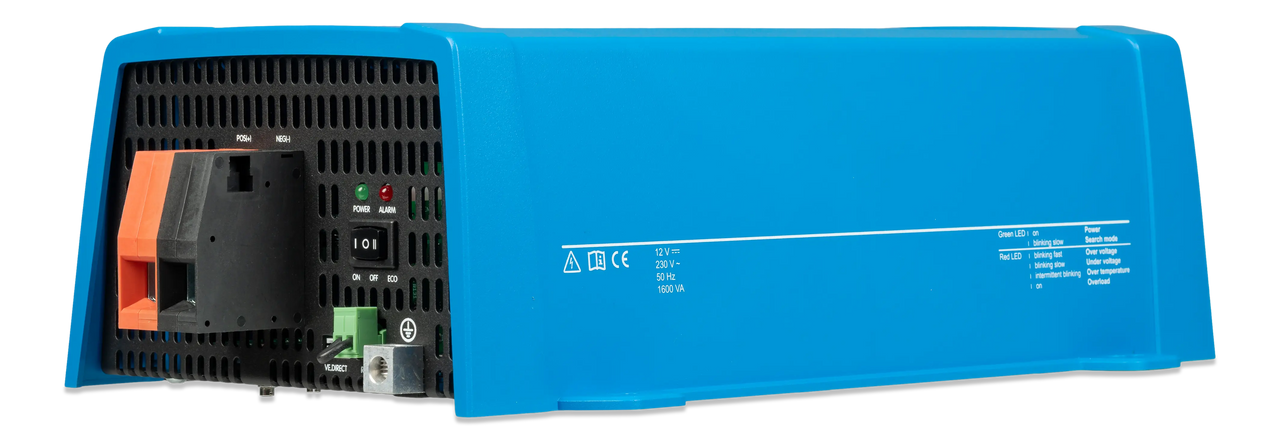
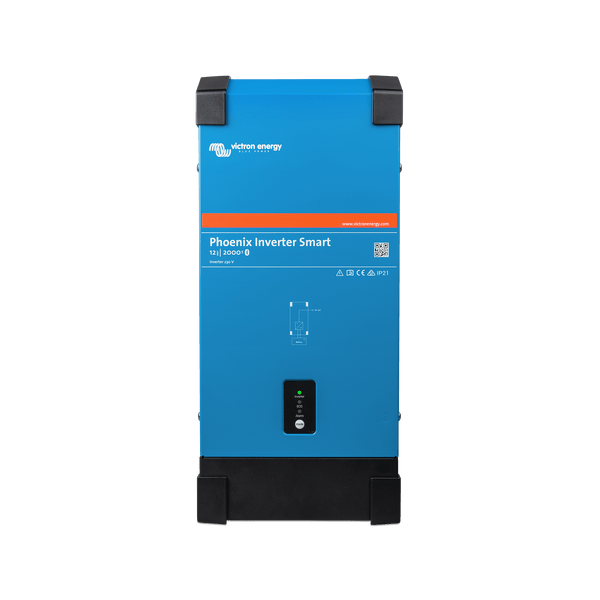
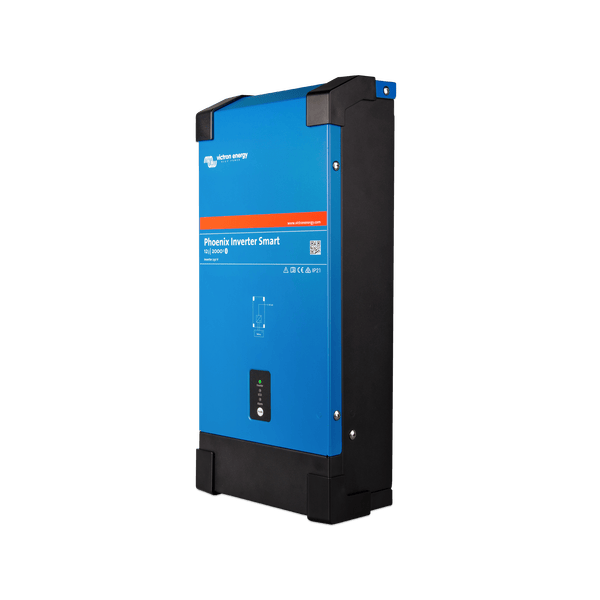
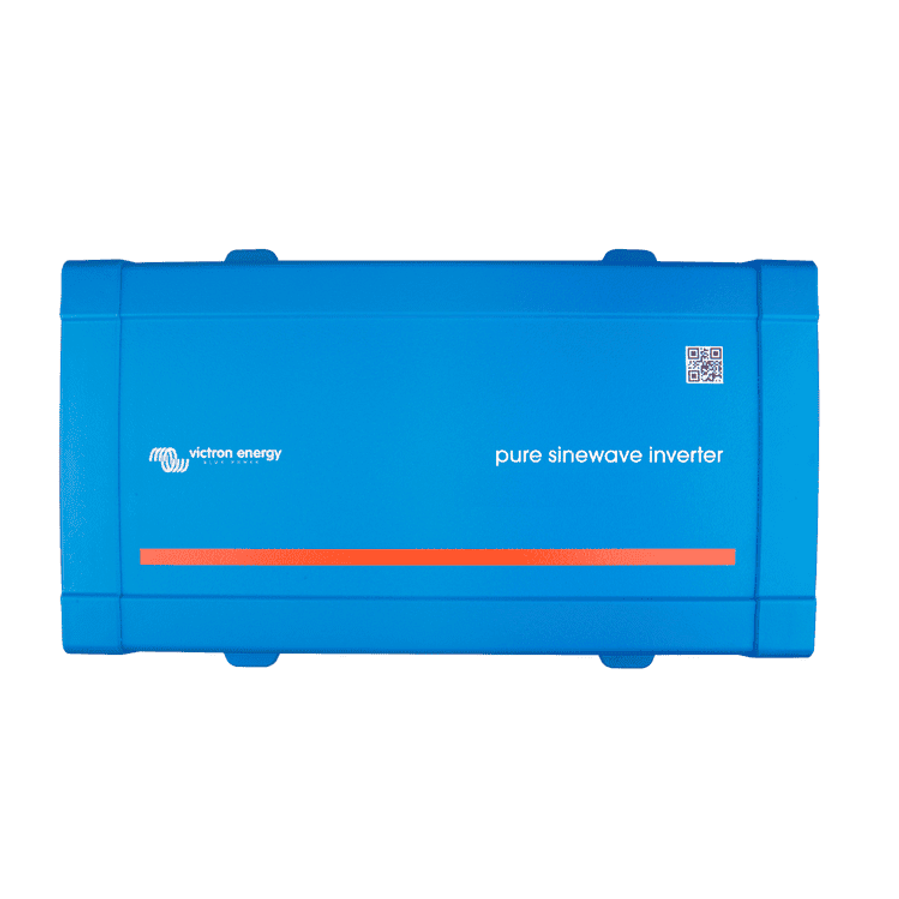
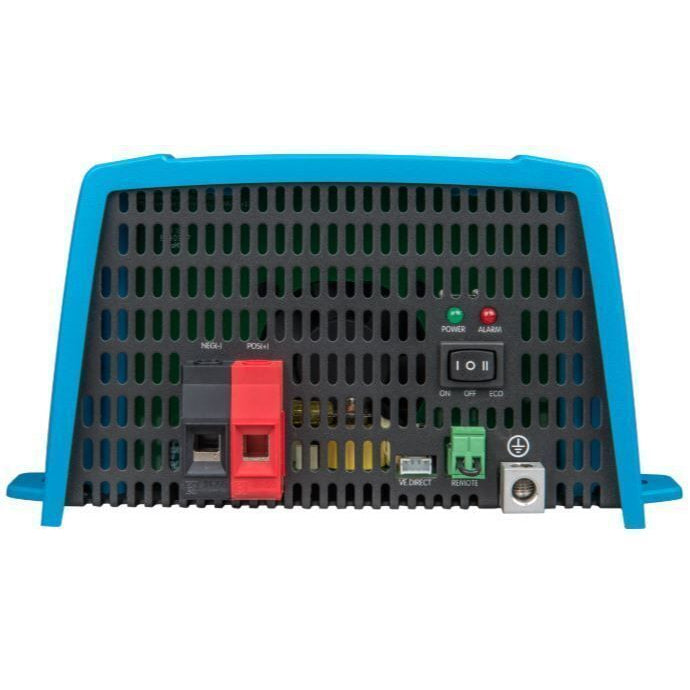
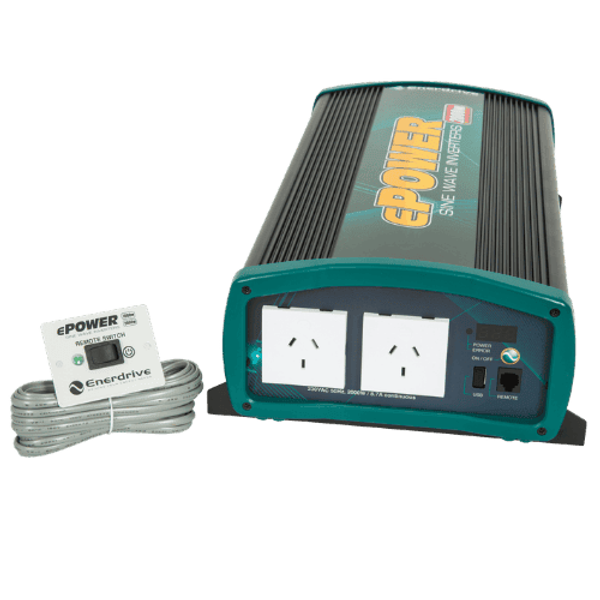

1001-2000W Inverters: Reliable AC Power for Mobile & Off-Grid Applications
When you need to run household appliances, power tools, or sensitive electronics away from the grid, a quality inverter in the 1001–2000 watt range delivers the ideal balance of capacity and efficiency. Our curated selection focuses on pure sine wave output, ensuring compatibility with everything from induction cooktops and microwave ovens to CPAP machines and entertainment systems. Whether you are upgrading a caravan, fitting out a 4WD canopy, or building a tiny home power system, these inverters provide clean, stable 240V AC from your 12V, 24V, or 48V battery bank.
Why Choose a 1001-2000W Inverter?
This power class is the sweet spot for most recreational and light commercial setups. A 2000W inverter can comfortably start and run a typical caravan air conditioner (with appropriate battery capacity), while smaller 1200–1600W models handle everyday loads like fridges, chargers, and lighting with headroom to spare. Key advantages include:
- Pure sine wave output – essential for appliances with motors, compressors, or sensitive electronics; avoids the humming and overheating issues common with modified sine wave units.
- High surge capacity – most models in this range offer short-duration peak power well above their continuous rating, handling start-up surges from fridges and power tools.
- Multiple voltage options – available in 12V, 24V, and 48V DC input to match your battery bank configuration, reducing cable size and improving efficiency at higher voltages.
- Integrated safety features – low battery shutdown, overload protection, and temperature-controlled cooling fans protect both the inverter and your connected equipment.
Stand-Alone Inverters vs. Inverter/Chargers
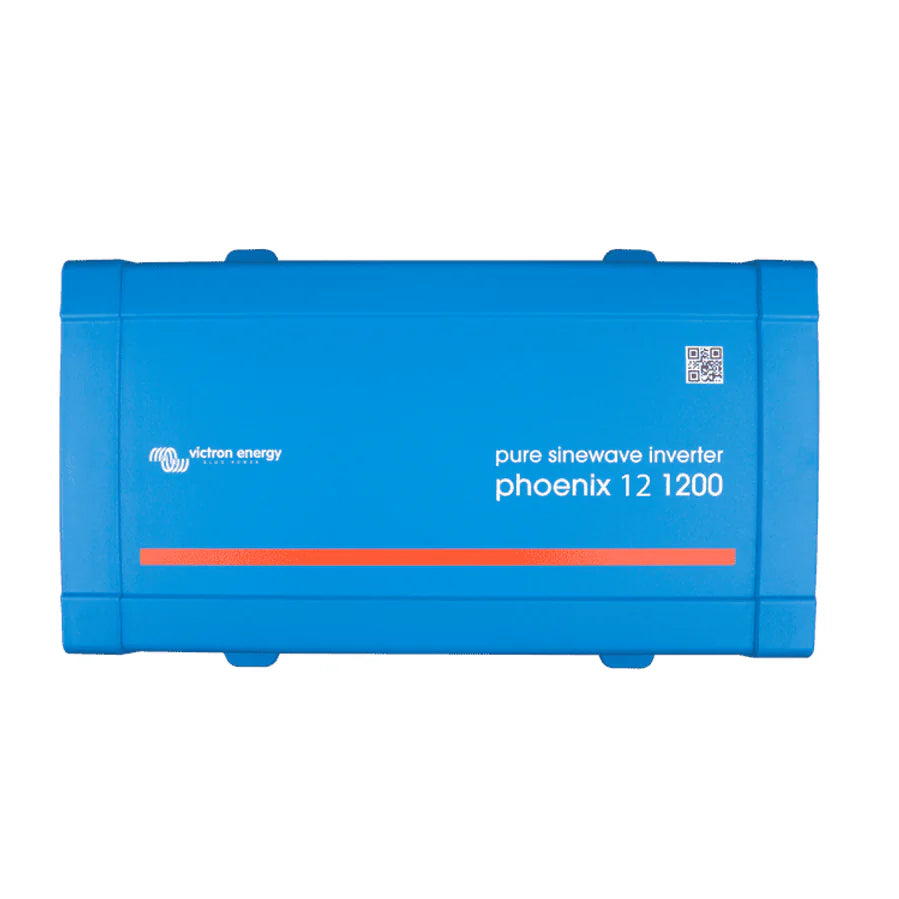
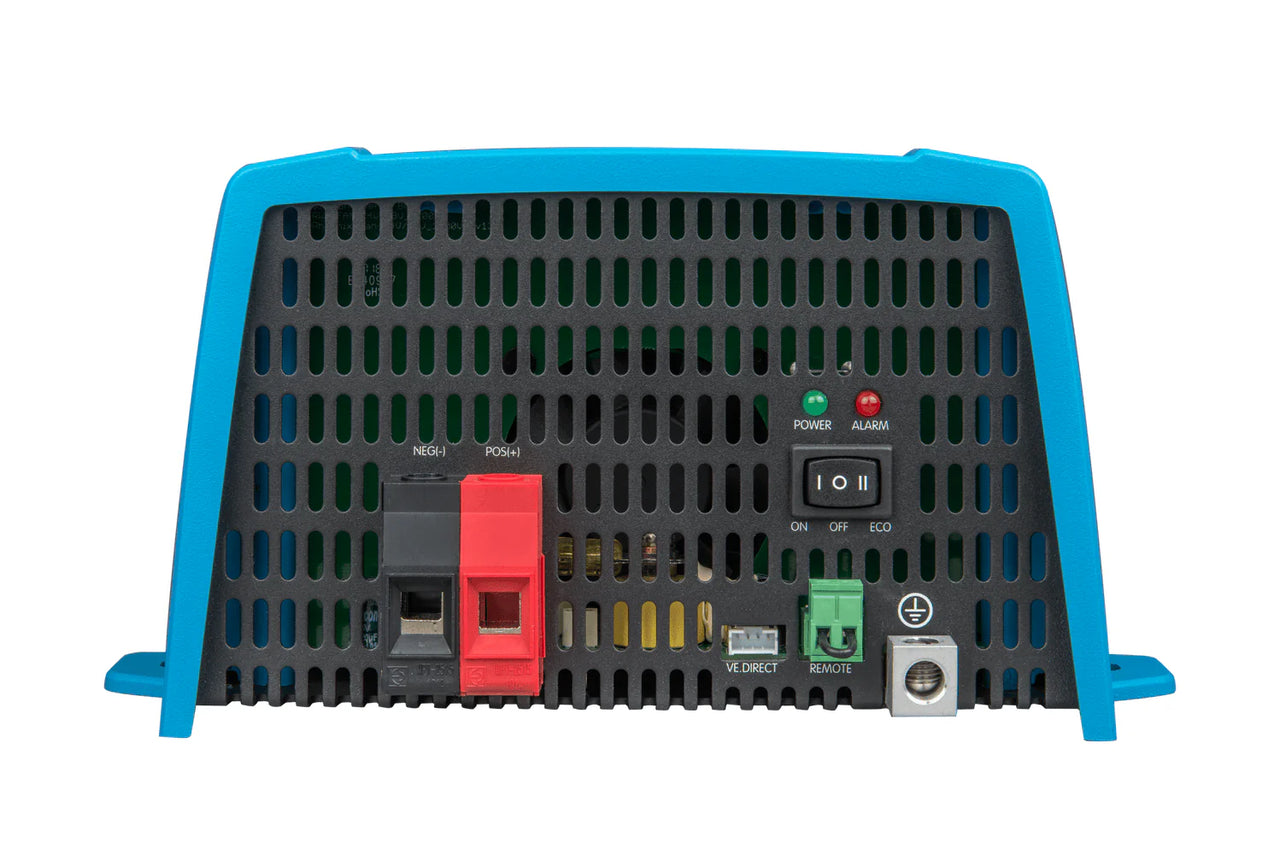
Our range includes both stand-alone inverters and advanced inverter/charger combos. Stand-alone units, such as the Victron Phoenix Smart Inverter series, convert DC battery power to AC with exceptional efficiency and a compact footprint. For installations where you also need to recharge batteries from shore power or a generator, an inverter/charger like the Victron MultiPlus or Enerdrive ePower Inverter/Charger combines both functions in one unit, automatically transferring AC loads and managing battery charging. This simplifies wiring and saves space, making it a popular choice for caravans and motorhomes.
Key Features to Consider
- Continuous vs. peak power rating – always size your inverter based on the continuous wattage required by your heaviest simultaneous loads, not just the surge rating. For sustained operation, apply the 80% rule: a 2000W inverter should ideally run loads up to 1600W continuously at 25°C ambient.
- VE.Direct and Bluetooth connectivity – many Victron models include built-in Bluetooth or VE.Direct ports, allowing real-time monitoring via smartphone or integration with a GX device for system-wide control.
- AC transfer switch – inverter/chargers with an integrated transfer switch automatically pass through shore power when available, seamlessly switching to inverter mode when unplugged.
- Low standby consumption – look for models with an eco or search mode that reduces idle draw, preserving battery capacity when no load is present.
Applications Across Markets
A 1001–2000W inverter suits a wide range of Australian conditions and vehicle types:
- Caravans & RVs – power microwaves, coffee machines, and entertainment systems while free camping. Pair with a deep cycle lithium battery for extended runtime.
- 4WD & Canopy Setups – run portable induction cooktops, charge tool batteries, or keep a portable fridge running on remote trips. Compact 1200VA models fit neatly in canopy spaces.
- Marine & Boats – clean sine wave output protects navigation electronics and onboard appliances. 24V models are common in larger vessels to reduce current draw.
- Tiny Homes & Off-Grid Cabins – a 2000W inverter/charger can form the backbone of a modest off-grid system, handling lighting, water pumps, and small kitchen appliances.
- Commercial & Mobile Workshops – run power tools, battery chargers, and test equipment from a vehicle-mounted battery bank.
Installation & System Compatibility
Correct installation is critical for safety and performance. All inverters in this range require appropriately sized DC cabling, fusing, and ventilation. For 12V systems drawing up to 200A at full load, we recommend using quality battery/welding cable and a suitably rated fuse as close to the battery as possible. Inverter/chargers also need AC input wiring and RCD protection per Australian standards. If you are pairing an inverter with solar, consider an MPPT solar charge controller to maximise energy harvest and maintain battery health.
Why Buy From Us?
As an Australian family business with over a decade of experience, we provide expert pre-sale advice and ongoing technical support. Our range includes trusted brands like Victron Energy and Enerdrive, selected for their proven reliability in harsh Australian conditions. We dispatch orders quickly from our Queensland warehouse, so you can get your power system up and running without delay. Need help sizing your inverter? Contact our team for personalised recommendations based on your specific appliances and usage patterns.
Frequently Asked Questions
What can a 2000W inverter run?
A 2000W pure sine wave inverter can run most household appliances up to 1600W continuous, including microwave ovens (typically 1000–1500W), small air conditioners (with soft start), induction cooktops on low settings, power tools, TVs, and gaming consoles. Always check the appliance's rating plate and consider start-up surge requirements.
What is the difference between a stand-alone inverter and an inverter/charger?
A stand-alone inverter only converts DC battery power to AC. An inverter/charger combines an inverter, battery charger, and automatic transfer switch in one unit, allowing it to charge batteries from shore power or a generator and automatically pass through AC to loads when connected.
Do I need a pure sine wave inverter?
Yes, for most modern appliances and electronics. Pure sine wave inverters produce power identical to the grid, ensuring safe operation of devices with motors, compressors, or sensitive circuitry. Modified sine wave inverters can cause overheating, noise, or malfunction in many appliances.
Can I run an air conditioner on a 2000W inverter?
It depends on the air conditioner's power draw and start-up surge. Many small caravan air conditioners can run on a 2000W inverter if equipped with a soft start device. Check the running watts and locked rotor amps (LRA) of your unit, and ensure your battery bank can supply the required current.
What size battery do I need for a 2000W inverter?
At full load, a 12V 2000W inverter draws approximately 185A. A 100Ah lithium battery can sustain this for about 30 minutes. For practical runtimes, we recommend at least 200–300Ah of lithium battery capacity, depending on your daily energy consumption. Higher voltage systems (24V or 48V) halve or quarter the current draw, reducing cable size and improving efficiency.