 Solar Panels
 Solar Controllers
 Batteries
 Inverters
 Mains Chargers
 DC-DC Chargers
 Cables/Accessories
 Power Converters
 Monitoring
 Kits
 By Application
 By Brand




































Off-Grid Home & Shed Power Systems
Solar panels, 48V lithium batteries, inverter-chargers and monitoring for off-grid homes, cabins and sheds




Off-Grid Home & Shed Power Systems
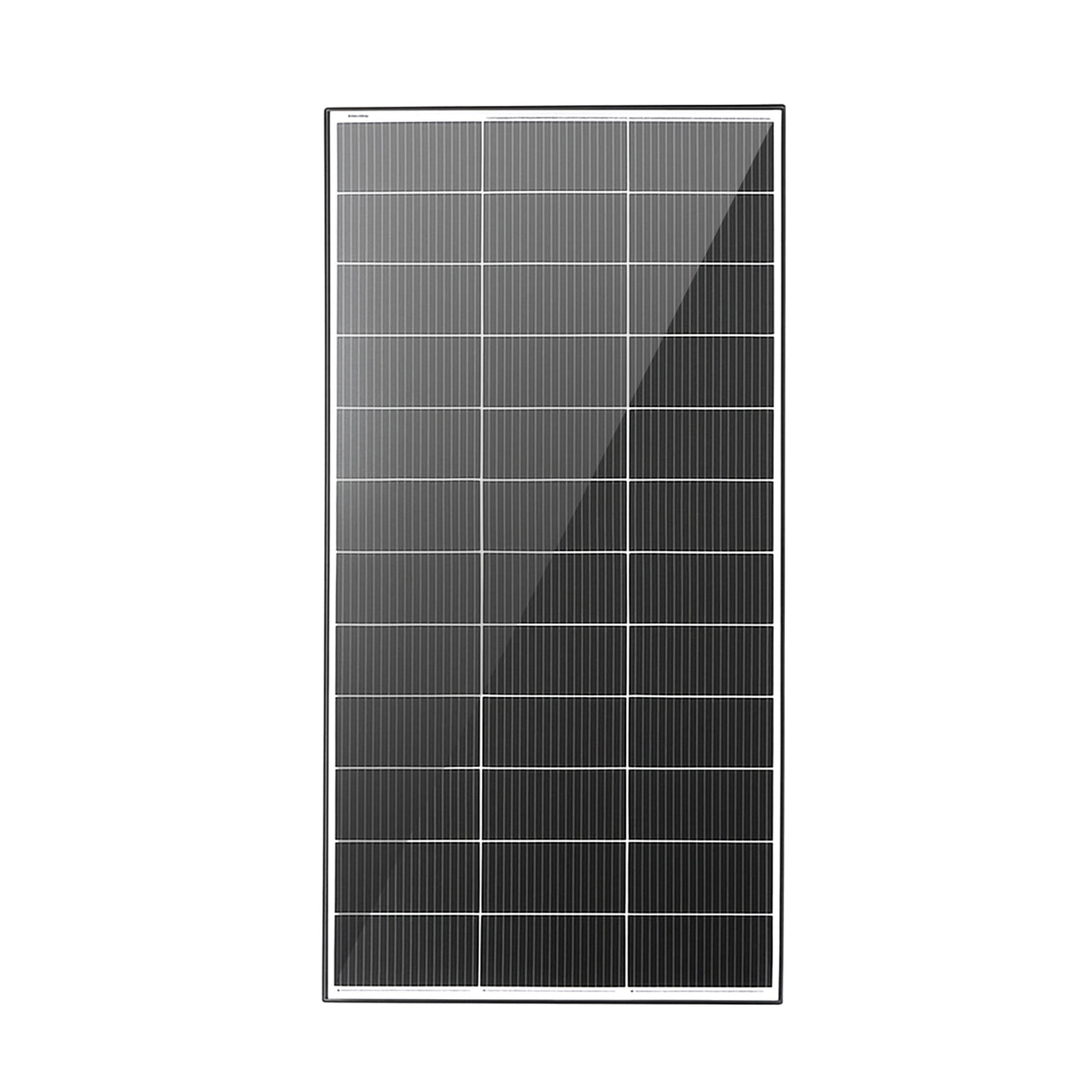
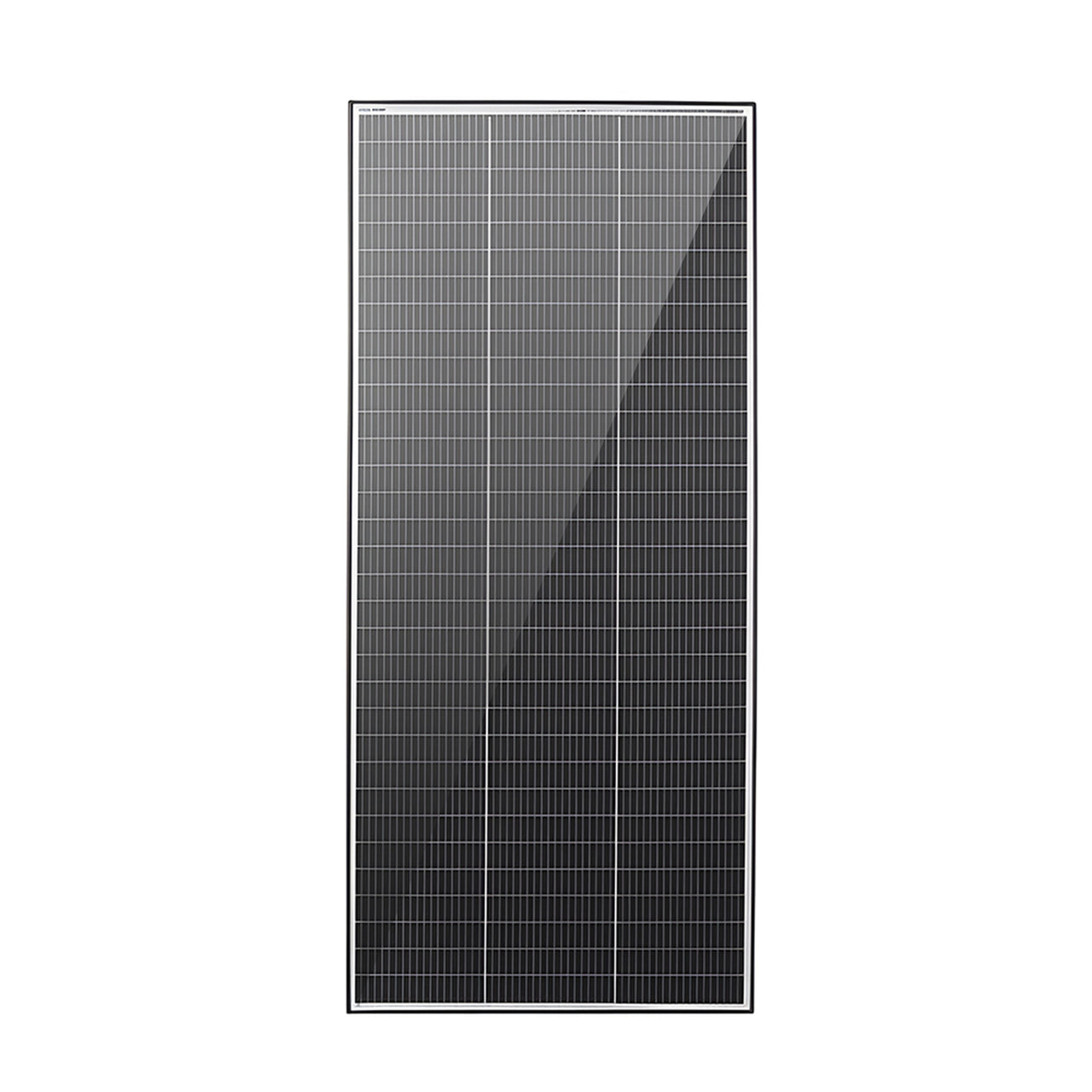
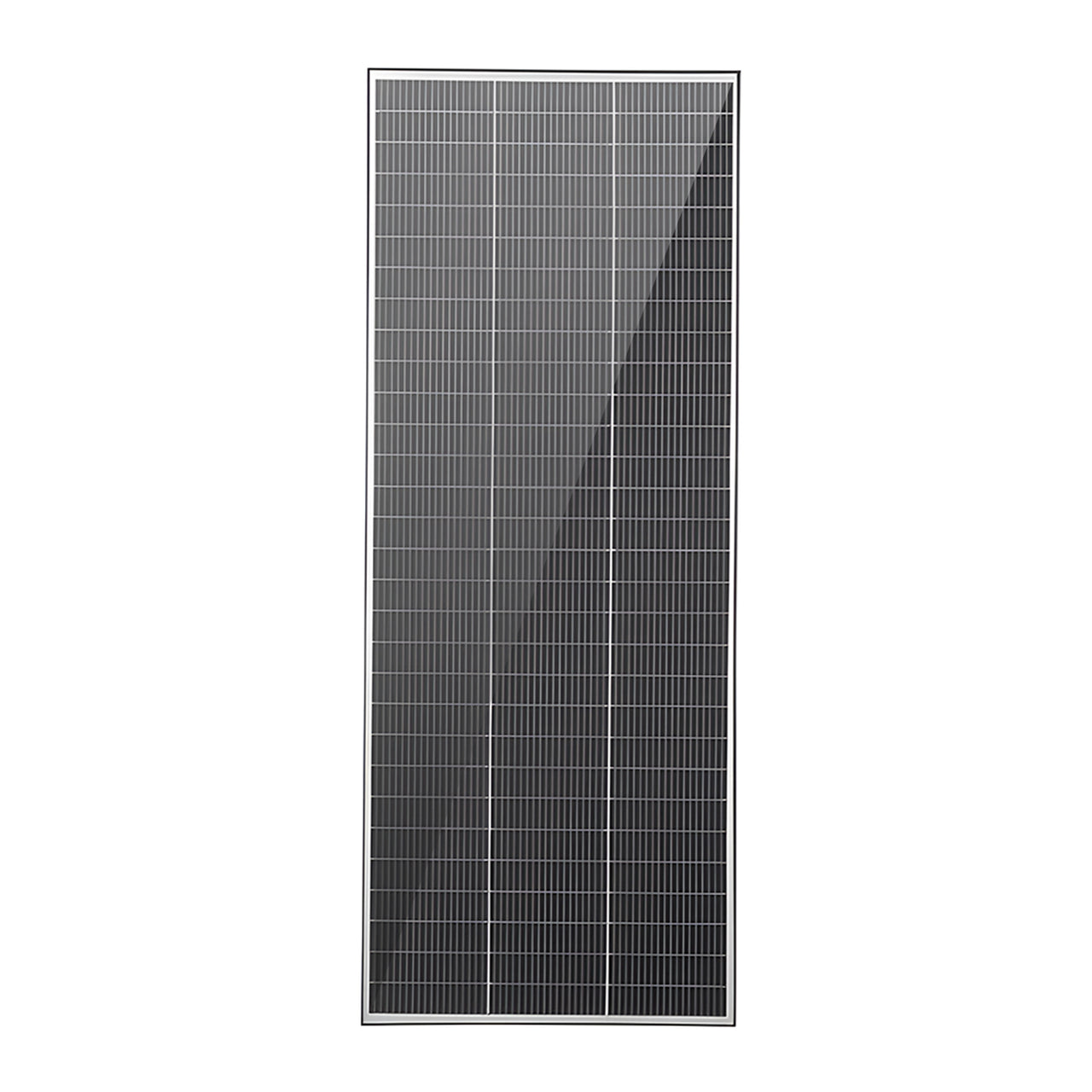
Everything to build a stand-alone 48V power system for a home, cabin, farm shed or workshop with no grid connection: solar panels and charge controllers to make the energy, 48V lithium batteries to store it, and inverter-chargers to run 230V appliances.
Why 48V?
A 48V system carries the same power as a 12V system with a quarter of the current, so cables, fuses and busbars stay a sensible size even at 5 to 15 kVA. 48V is the usual choice for home-sized inverter-chargers such as the Victron MultiPlus-II and Quattro.
How the parts fit together
- Solar panels are wired in series strings into an MPPT solar charge controller.
- MPPT controllers charge the 48V battery bank. Higher-voltage models (250V and 450V) take longer strings, which keeps cable sizes down on long runs.
- 48V lithium batteries store the energy for the night and cloudy days. Where the battery supports it, a CAN-bus connection lets the inverter and controllers follow the battery's own charge limits.
- Inverter-chargers turn battery power into 230V AC, and charge the batteries from a generator when the sun is low.
- Monitoring, such as a Victron Cerbo GX with a SmartShunt, shows state of charge, solar yield and loads on site or remotely through Victron's VRM portal.
Installation
A 230V off-grid system must be designed and installed by a licensed electrician, following AS/NZS 4509 (stand-alone power systems), AS/NZS 5033 (solar arrays), AS/NZS 5139 (battery systems) and AS/NZS 3000. These systems are not connected to the electricity grid.